Journey to the forested shores of Lake Tanganyika for intimate chimpanzee trekking, remarkable primate encounters and one of Tanzania’s most distinctive wilderness experiences.
Western Tanzania, Lake Tanganyika
Chimpanzee Trekking, Forest Walks & Lake Tanganyika
June to October for generally drier trekking conditions
2–3 Days Recommended
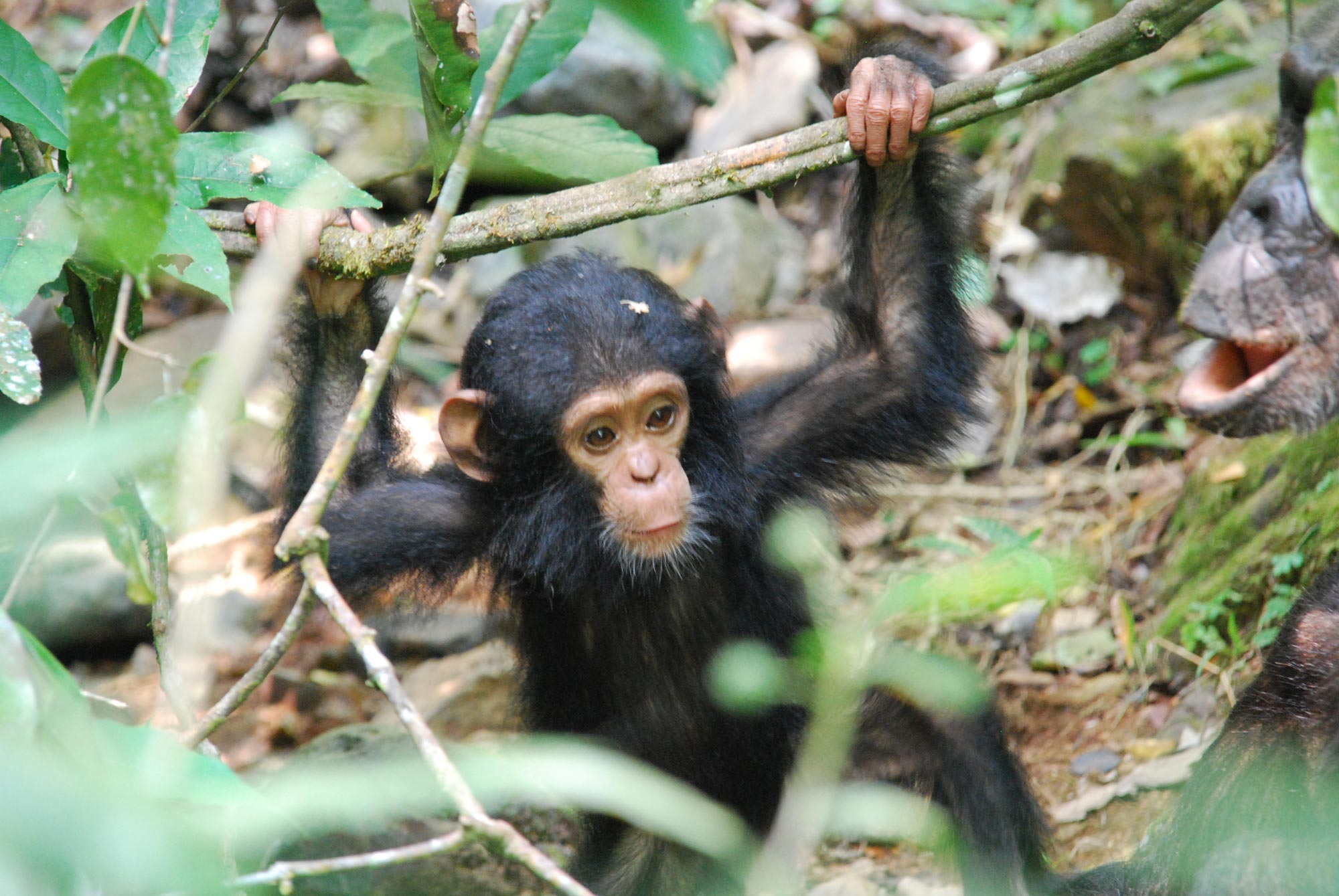
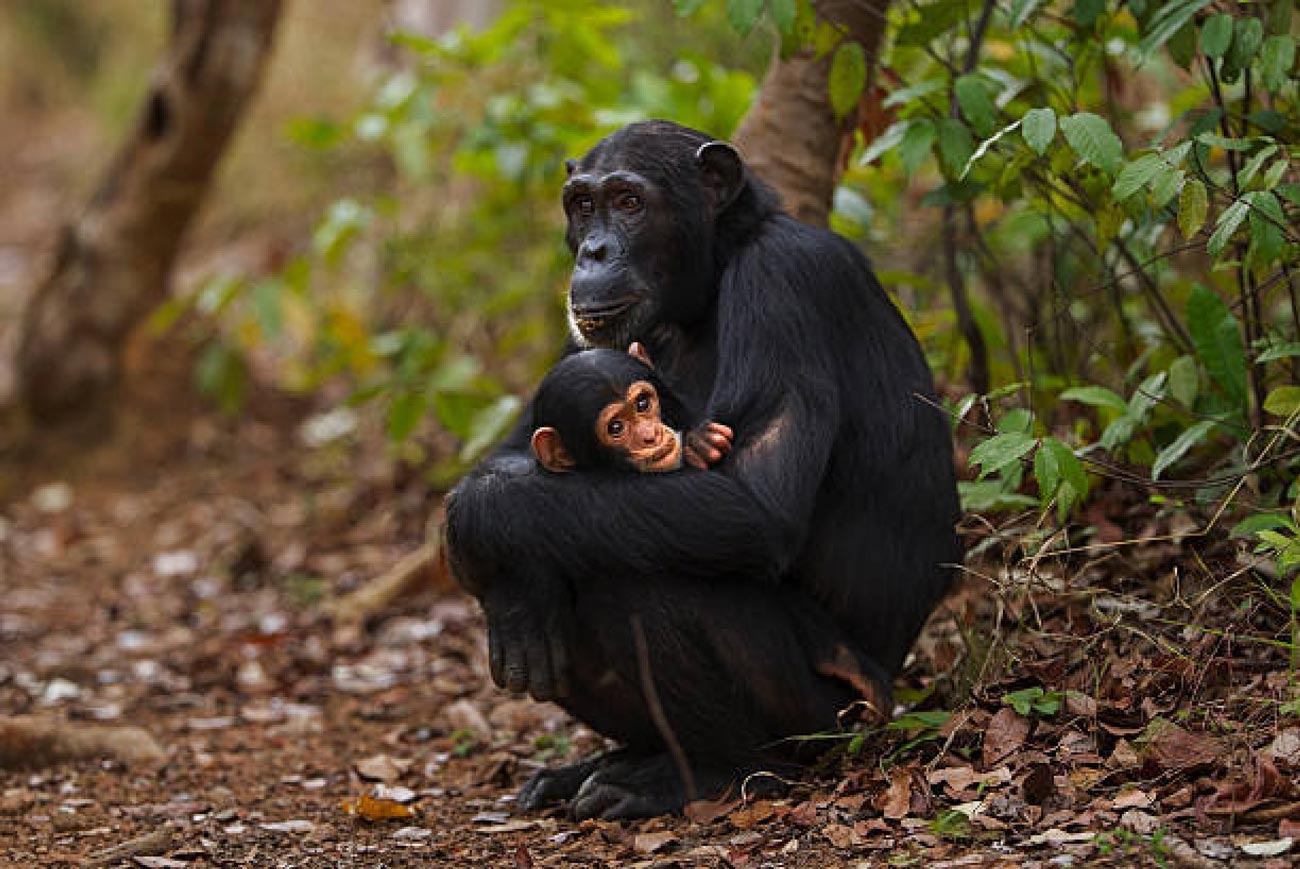
Track habituated chimpanzees through the forest and spend time observing them in their natural habitat.
Steep green hills, forested valleys and the shoreline of Lake Tanganyika give Gombe a setting unlike Tanzania’s classic safari parks.
Beyond chimpanzees, the park supports other primates and a wide variety of birdlife across forest and lakeshore habitats.
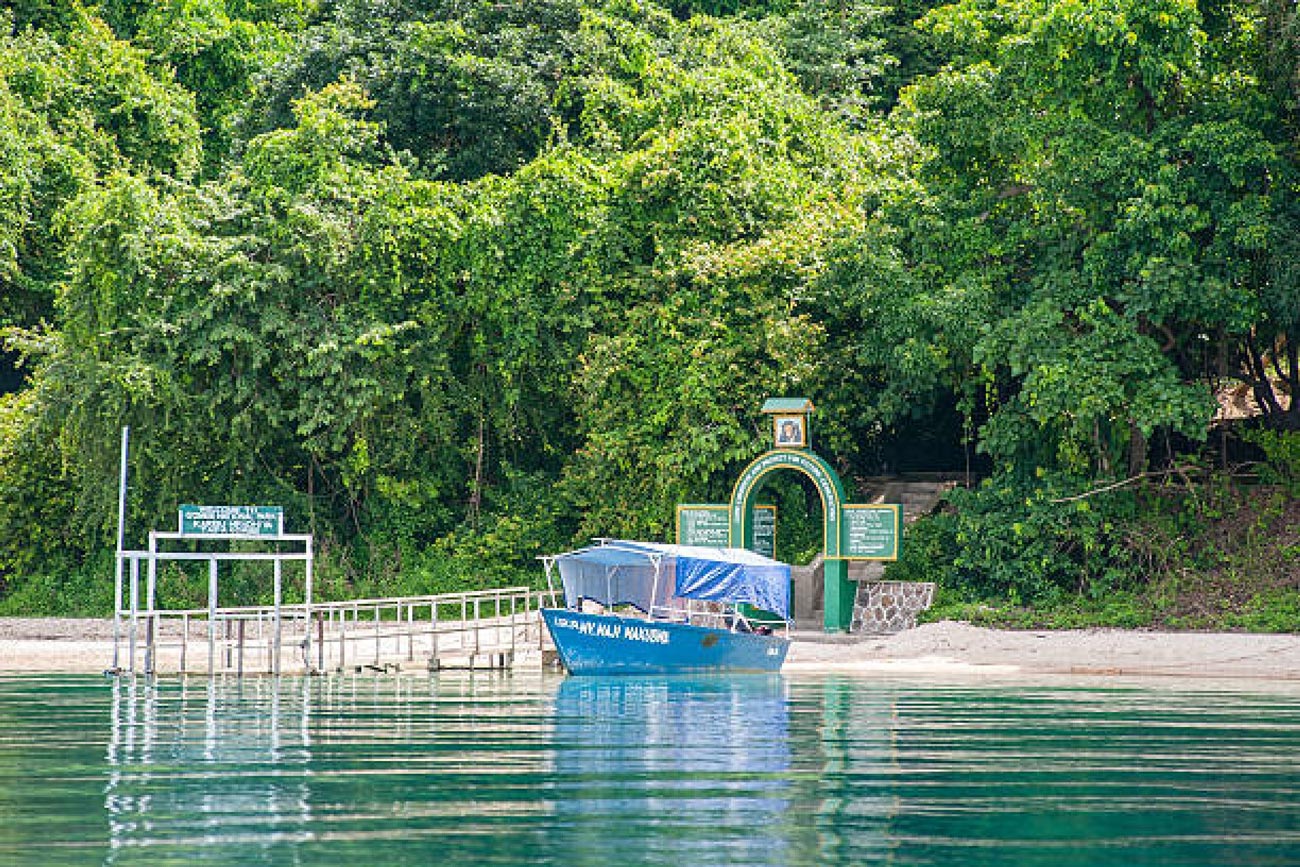
With access normally by boat from Kigoma, Gombe feels secluded from the moment the journey begins.

Gombe Stream National Park is one of Tanzania’s most distinctive wildlife destinations, set along the eastern shore of Lake Tanganyika in the far west of the country.
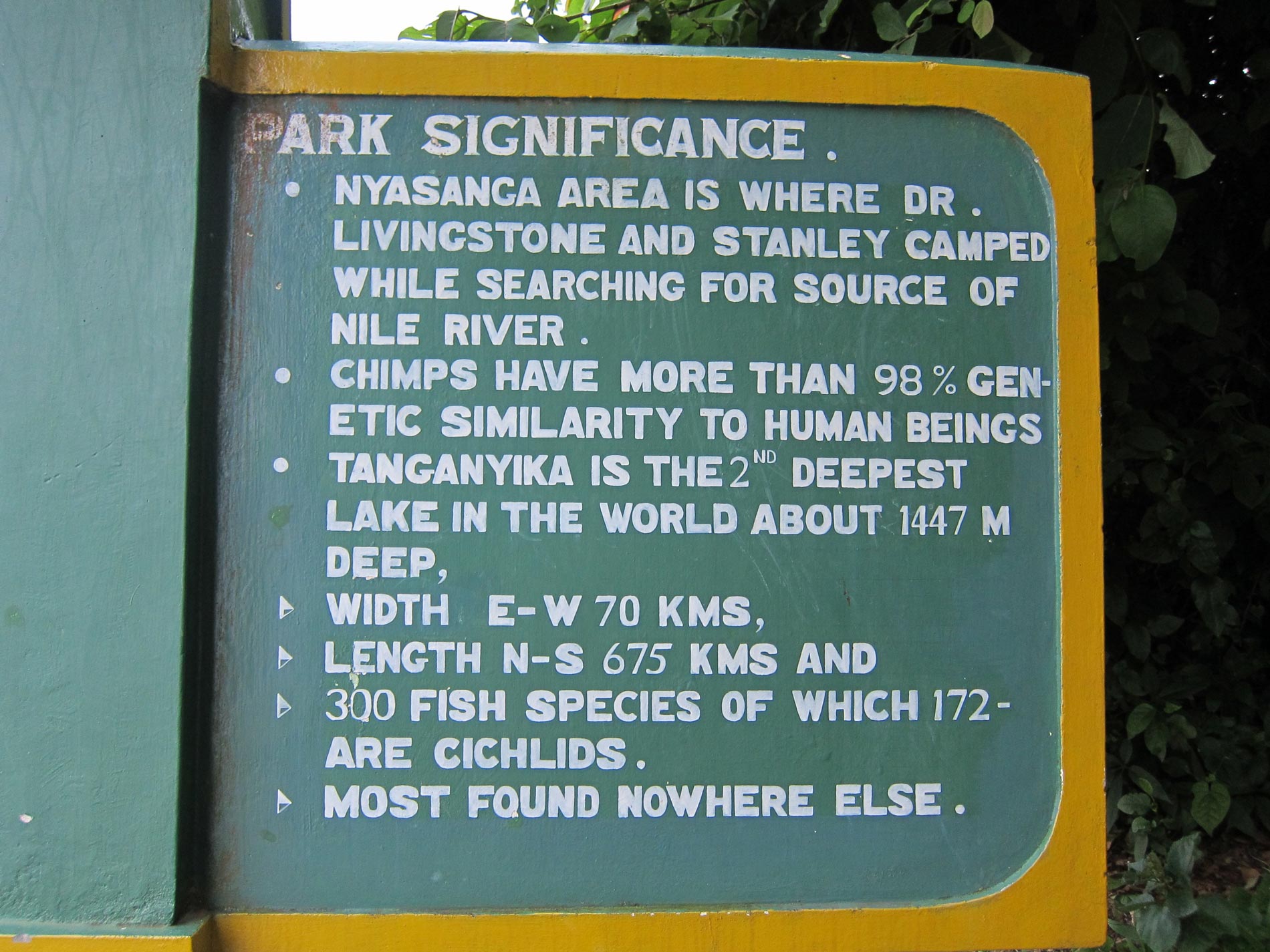
The park is best known for its wild chimpanzees and for the pioneering research of Jane Goodall, whose work here changed the world’s understanding of chimpanzee behaviour.
Unlike Tanzania’s classic savannah parks, Gombe is explored on foot. Trails lead through steep forested valleys, dense woodland, streams and ridges in search of habituated chimpanzee communities and other forest wildlife.
Beyond chimpanzees, the park is home to red colobus monkeys, blue monkeys, baboons, rich birdlife and a wide variety of smaller forest species.
The setting is a major part of the experience. Forested hills rise directly from the shores of Lake Tanganyika, creating a remote, intimate atmosphere that feels completely different from the open plains of northern Tanzania.
For travellers looking for something more immersive, slower-paced and genuinely different from a traditional vehicle safari, Gombe offers one of Tanzania’s most memorable primate experiences.
Tropical Forest
Much of Gombe is covered in dense tropical forest, where tall trees, vines, ferns and thick undergrowth create a cool, shaded environment.
These forests provide essential habitat for chimpanzees, monkeys, birds and many smaller species. The trails can be steep and humid, making trekking feel immersive and physically active rather than like a conventional safari drive.
Forested Valleys
Steep valleys cut through the park and form natural corridors for streams, wildlife and trekking routes.
These areas are especially important for primates and birdlife, and they give Gombe much of its enclosed, intimate atmosphere.
Streams and Waterfalls
Clear streams run through the forest and help shape the valleys and trails that cross the park.
Some routes lead toward small waterfalls and shaded watercourses, adding another layer of scenery to the chimpanzee trekking experience.
Lake Tanganyika Shoreline
Gombe rises directly from the eastern shore of Lake Tanganyika, creating one of the park’s most distinctive settings.
The contrast between dense forest and the vast blue lake gives the landscape a character that feels completely different from Tanzania’s savannah parks.

Gombe became internationally known through the pioneering work of Jane Goodall, who began studying wild chimpanzees here in 1960.
Her long-term research transformed scientific understanding of chimpanzee behaviour, documenting tool use, complex social relationships, communication, family bonds and individual personalities.
What made the work especially significant was its continuity. Researchers followed individual chimpanzees and family groups across generations, creating one of the world’s longest-running studies of wild chimpanzees.
That legacy continues today through research and conservation work connected to Gombe and the wider region.

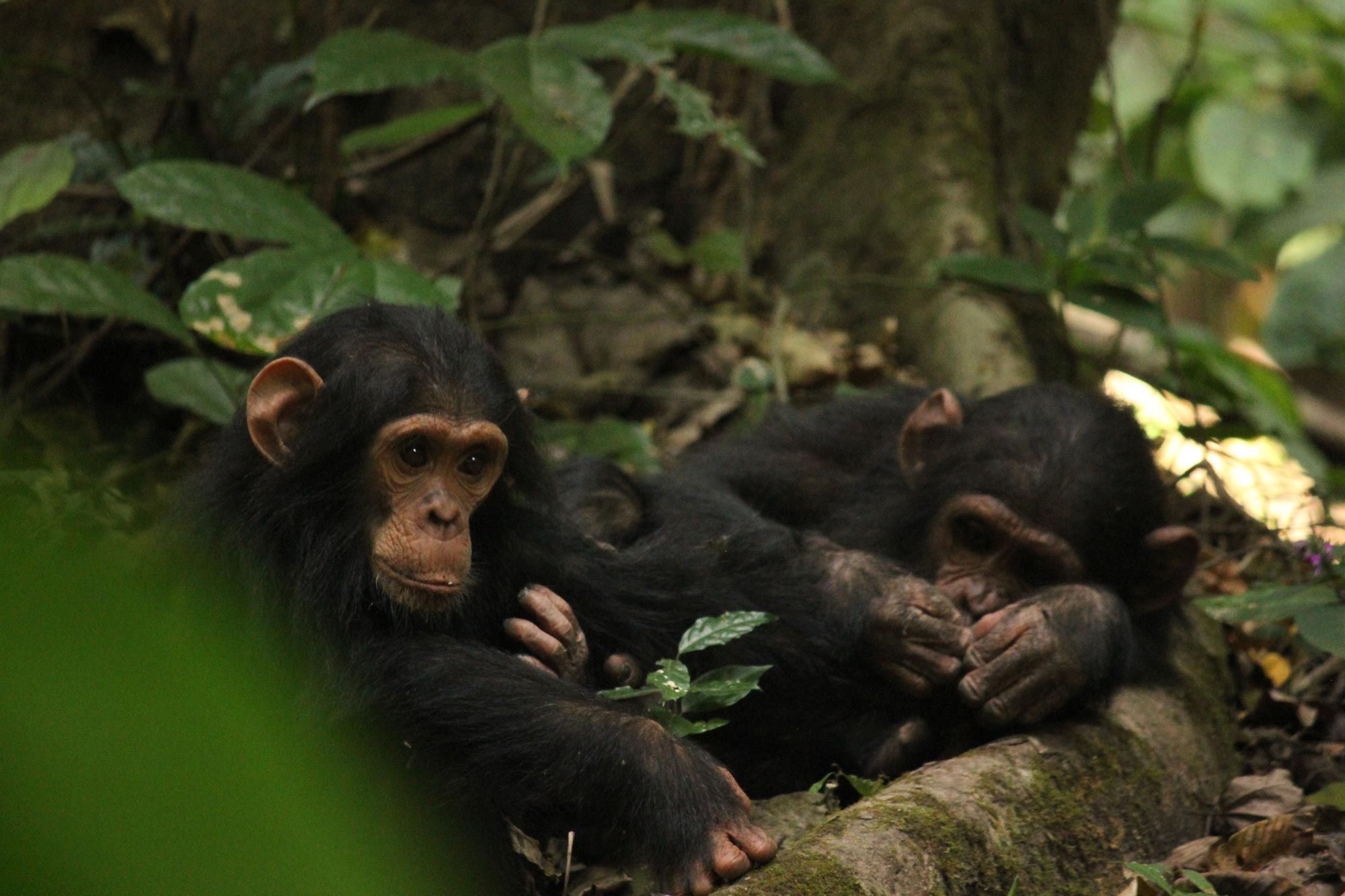
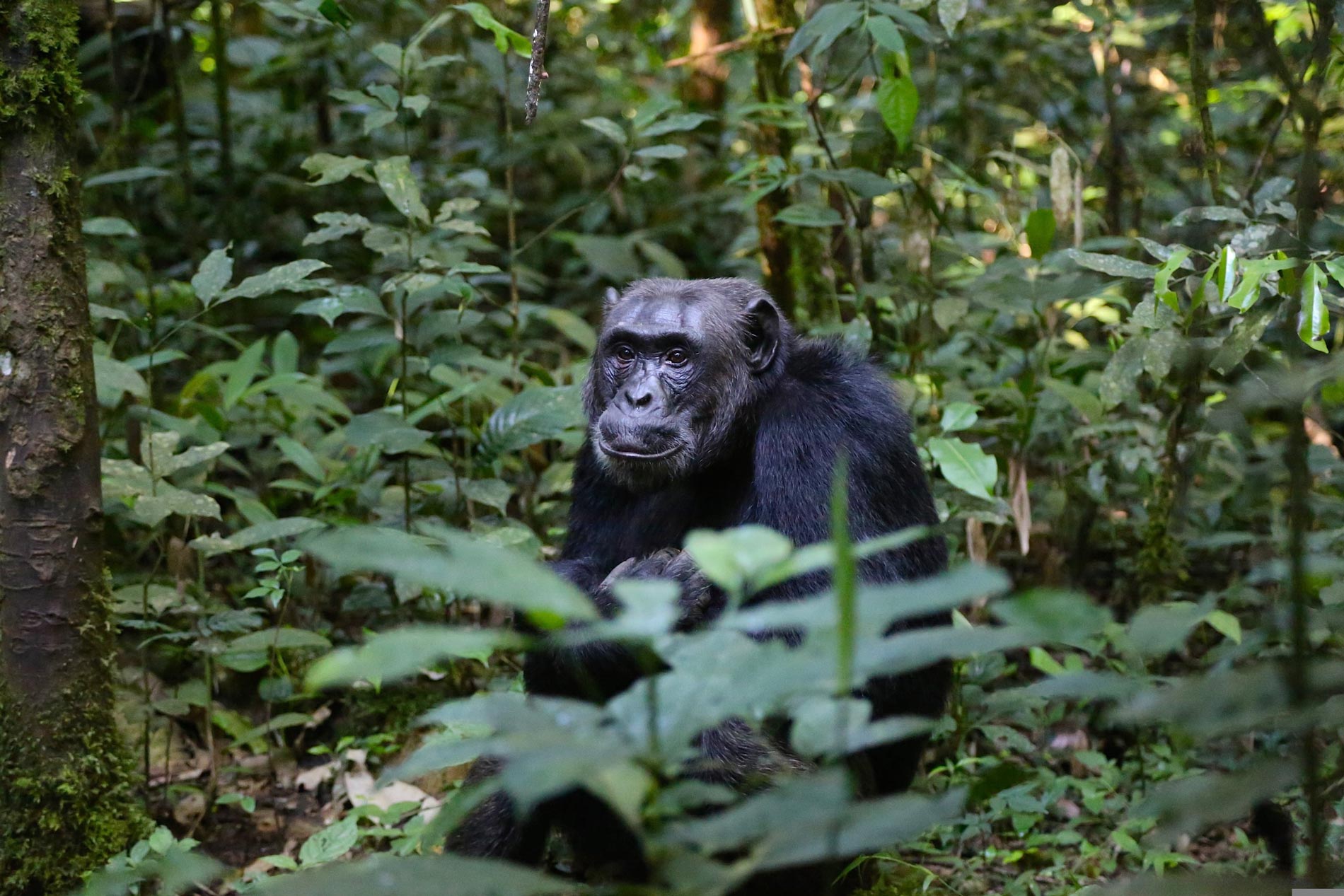
Chimpanzee trekking is the signature experience in Gombe Stream National Park and the main reason many travellers make the journey to this remote corner of western Tanzania.
Treks are led by experienced guides and trackers who use recent signs, calls, nests, feeding remains and movement through the forest to locate habituated chimpanzee communities.
The trek itself is part of the experience. Trails can be steep, humid and uneven, and the chimpanzees may move through dense vegetation or higher ground, so patience and a reasonable level of fitness are important.
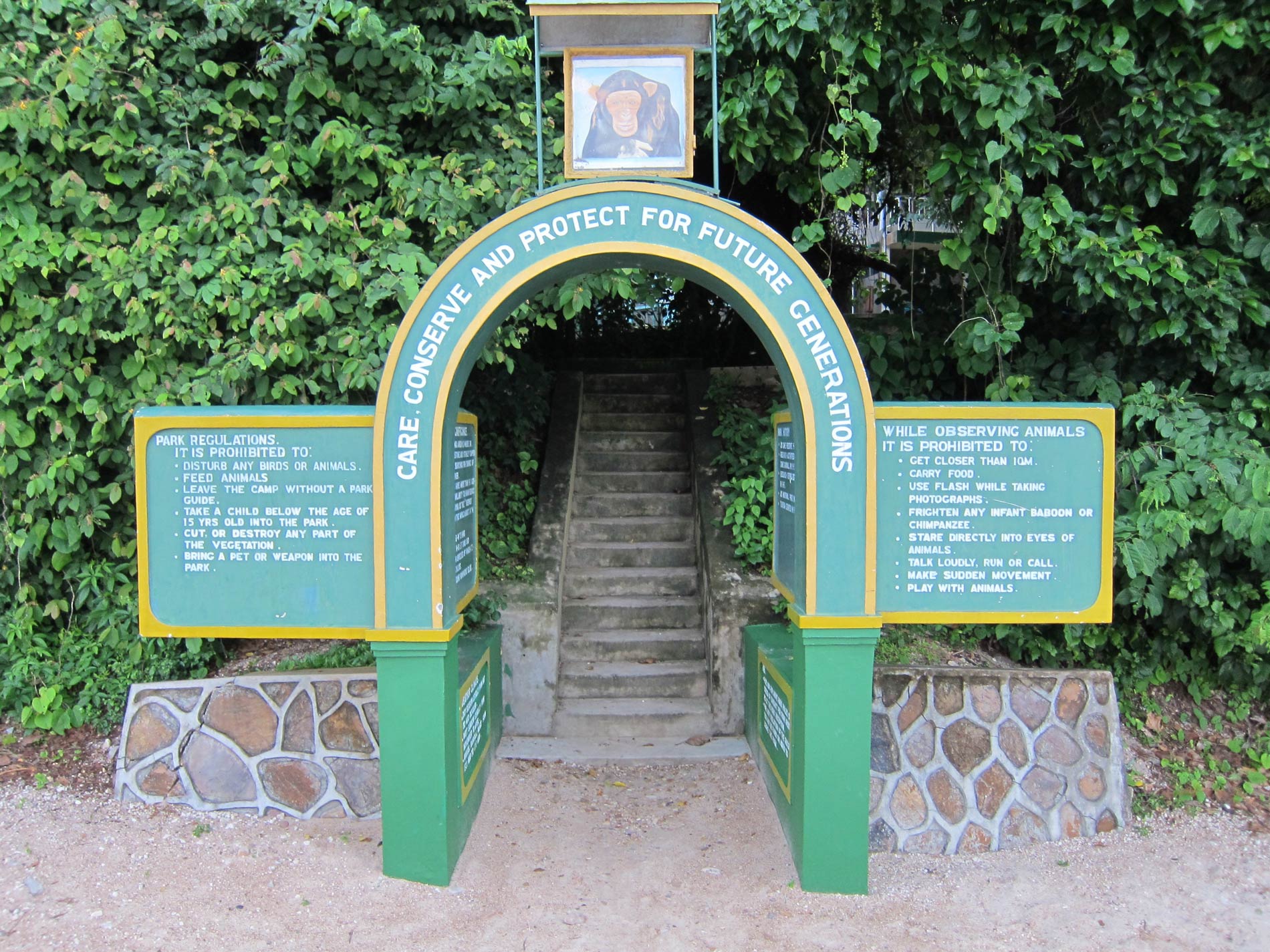
Once a chimpanzee group is located, visitors observe from a regulated distance and follow park guidelines designed to protect both people and the animals.
What makes the experience special is the setting. You are watching wild chimpanzees in the forest where they live, move, feed and interact naturally — not in a sanctuary or controlled environment.
Every trek is different. Some encounters happen relatively quickly, while others require more time and effort through the forest. That unpredictability is part of what makes Gombe feel so genuine.

Forest Hiking
Gombe’s trails wind through forested valleys, steep hills and streams, giving you a chance to experience the park beyond chimpanzee trekking.
These walks are especially good for noticing the smaller details — birdlife, butterflies, plants, forest sounds and the changing scenery between the lake and the hills.
Birdwatching
Gombe’s mix of tropical forest, woodland and lakeshore habitat supports a wide variety of birdlife.
For guests who enjoy slowing down and looking beyond the headline species, birdwatching adds another dimension to the experience.
Lake Tanganyika
Lake Tanganyika is a major part of Gombe’s character.
Boat transfers, shoreline views and time beside the water create a striking contrast with the dense forest, and the lake itself makes the journey to Gombe feel genuinely remote.
Waterfalls & Forest Streams
Several forest trails pass streams and waterfalls, adding beautiful scenery to walks through the park
These quieter parts of Gombe help show why the experience is about much more than simply finding chimpanzees.
Gombe is best known for its wild chimpanzees and the long-running research associated with Jane Goodall, who began studying chimpanzees here in 1960. The park is also known for its forested hills, Lake Tanganyika shoreline and intimate primate trekking experience.
Chimpanzees are the main attraction, but the park also supports red colobus monkeys, blue monkeys, baboons, rich birdlife and many smaller forest species.
Chimpanzee trekking is done on foot with trained guides and trackers. The terrain can be steep, humid and uneven, so a reasonable level of fitness is helpful. Once a habituated group is located, visitors observe from a regulated distance and follow park guidelines.
June to October is generally one of the most comfortable periods for trekking, with drier conditions and easier forest trails. Gombe can also be visited during the greener months, when the forest is especially lush, although rainfall can make trekking more challenging.
Most visitors travel first to Kigoma in western Tanzania and continue to Gombe by boat across Lake Tanganyika. The boat journey is part of the experience and gives the park its remote character.
Tell us when you’d like to travel and how you’d like to experience Gombe. We’ll help arrange the route, transport, accommodation and chimpanzee trekking around your plans.
Choose a popular itinerary or tell us what you want to experience. We shape your route, accommodation, activities and pace around your trip.
Tarangire, Serengeti & Ngorongoro Crater Safaris
Tarangire, Ngorongoro Crater & Serengeti
Serengeti, Ngorongoro Crater & Tarangire
Tarangire, Serengeti, Ngorongoro Crater Zanzibar Beaches & Safaris
Tarangire, Serengeti & Ngorongoro Crater
Serengeti, Ngorongoro Crater & Tarangire
Tarangire, Ngorongoro Crater & Serengeti
Tarangire, Lake Manyara, Ngorongoro Crater & Serengeti
Serengeti National Park
Tarangire, Serengeti & Ngorongoro Crater
Serengeti & Ngorongoro Crater
Tarangire, Serengeti & Ngorongoro Crater
Tarangire, Serengeti, Ngorongoro Crater Zanzibar Beaches & Safaris
Zanzibar & Tanzania Safari
Zanzibar & Mikumi National pARK
Tarangire, Serengeti, Ngorongoro Crater Zanzibar Beaches & Safaris
Lake Manyara National Park
Ngorongoro Crater
Tarangire National Park
Kilimanjaro National Park