Serengeti National Park

Endless plains, exceptional predator sightings and the Great Migration — the Serengeti is Tanzania’s most iconic safari landscape.

Location

Northern Tanzania

Wildlife

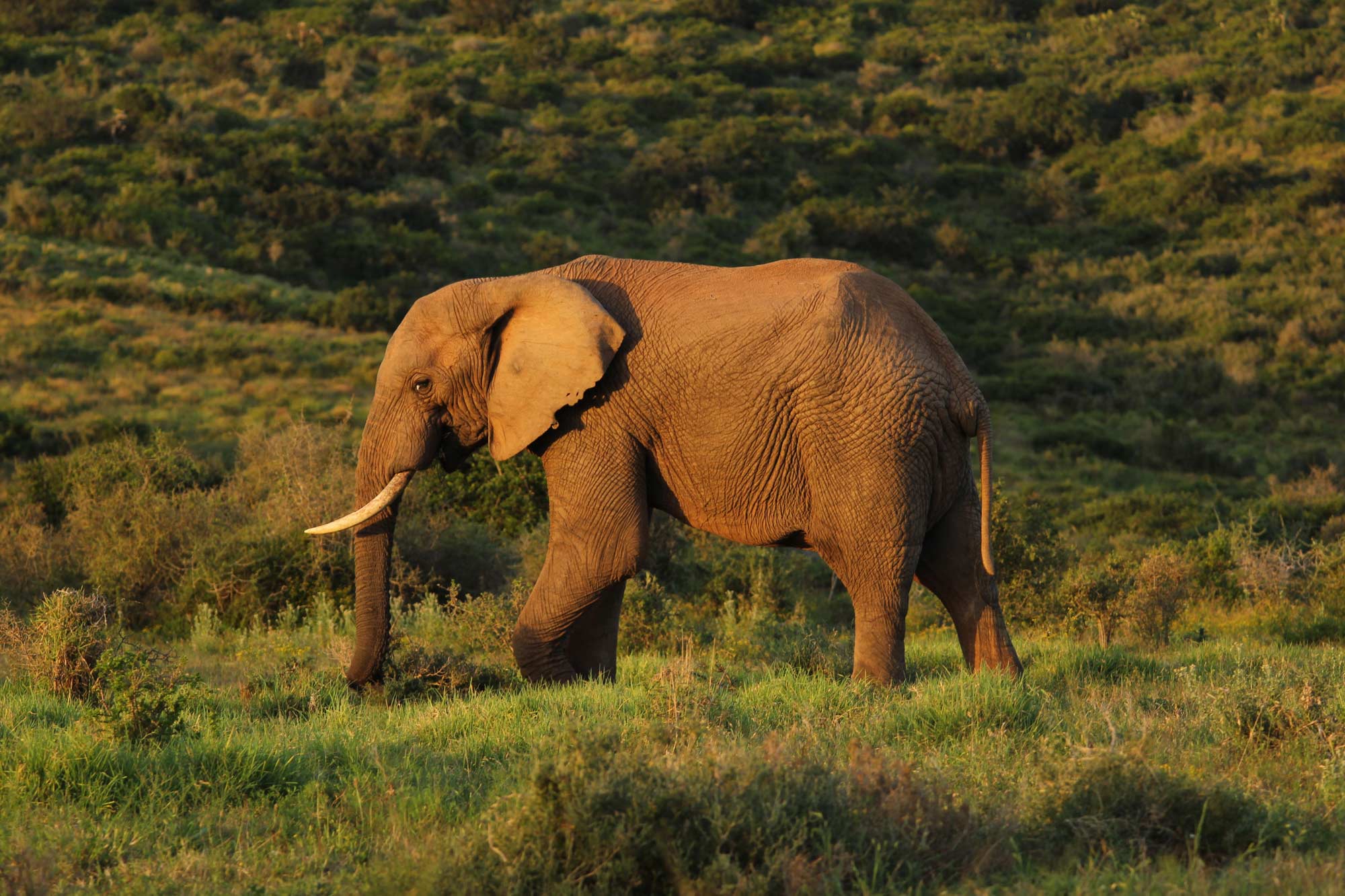
Lions, Cheetahs, Leopards, Elephants, Wildebeest, Zebra & More

Best Time

Year-Round

Recommended Stay

3–4 Nights

Why Serengeti National Park Stand Out

ENDLESS PLAINS

The Serengeti’s vast grasslands create a remarkable sense of space, with wildlife moving across open landscapes that seem to stretch far beyond the horizon.

GREAT MIGRATION

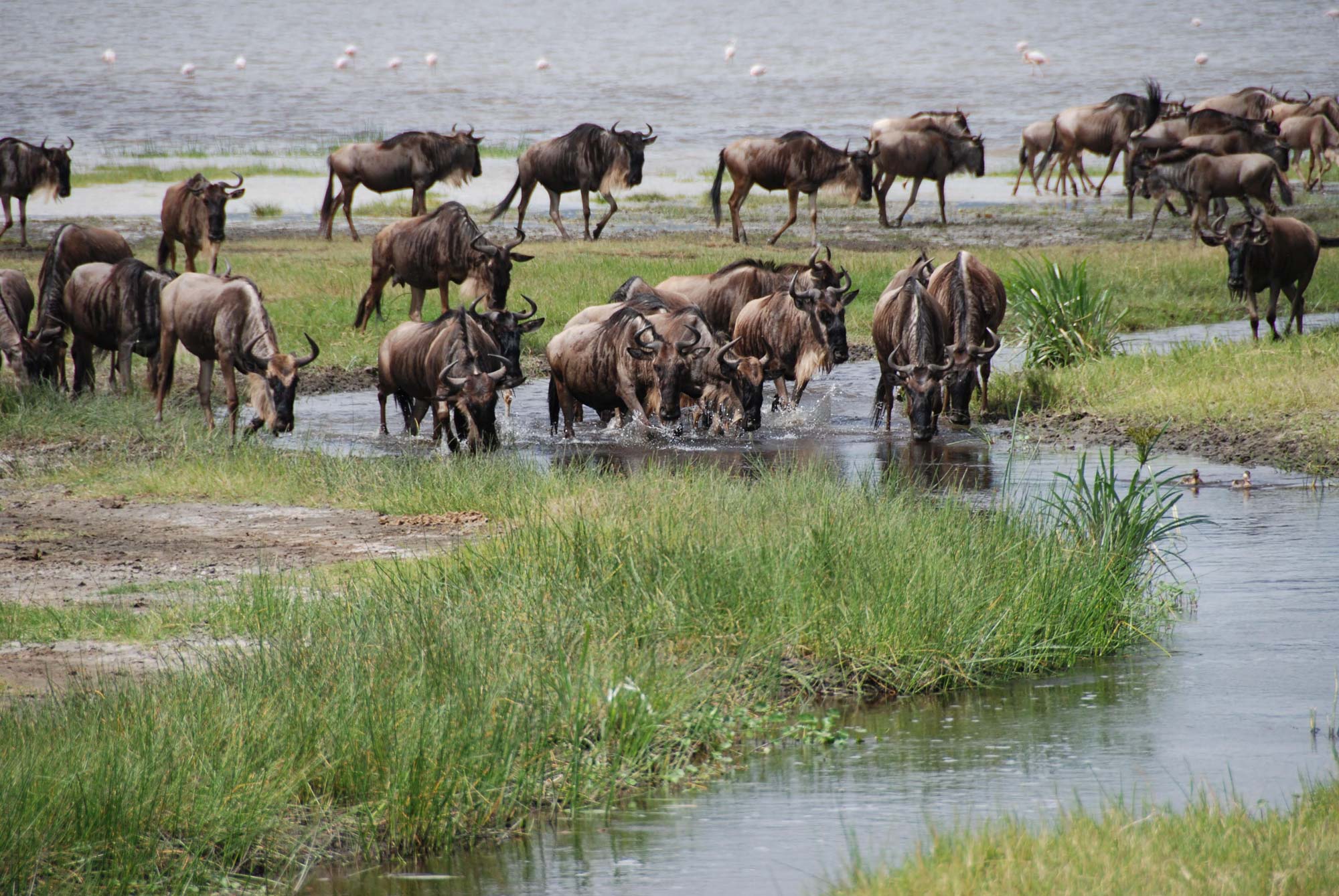
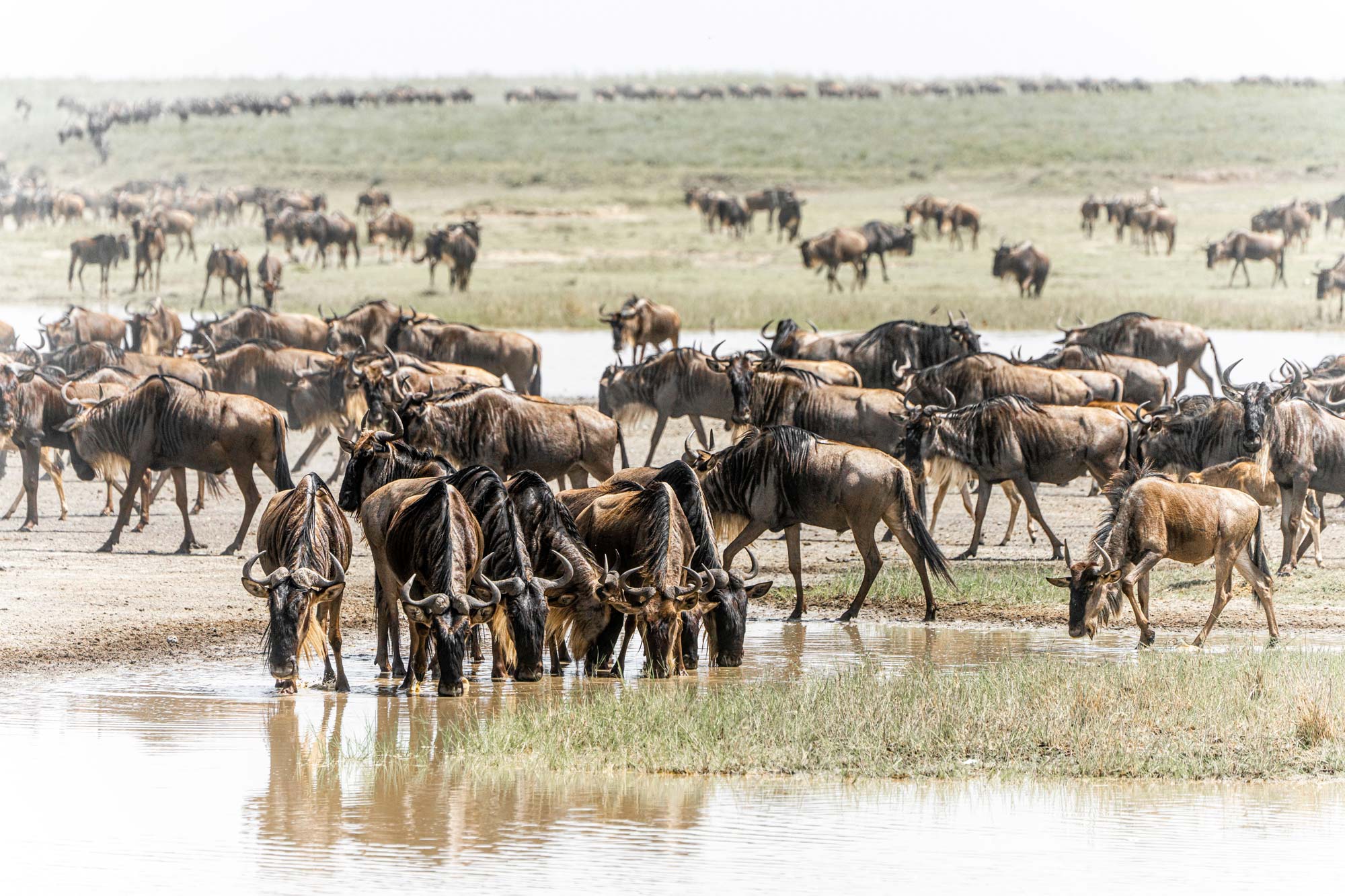
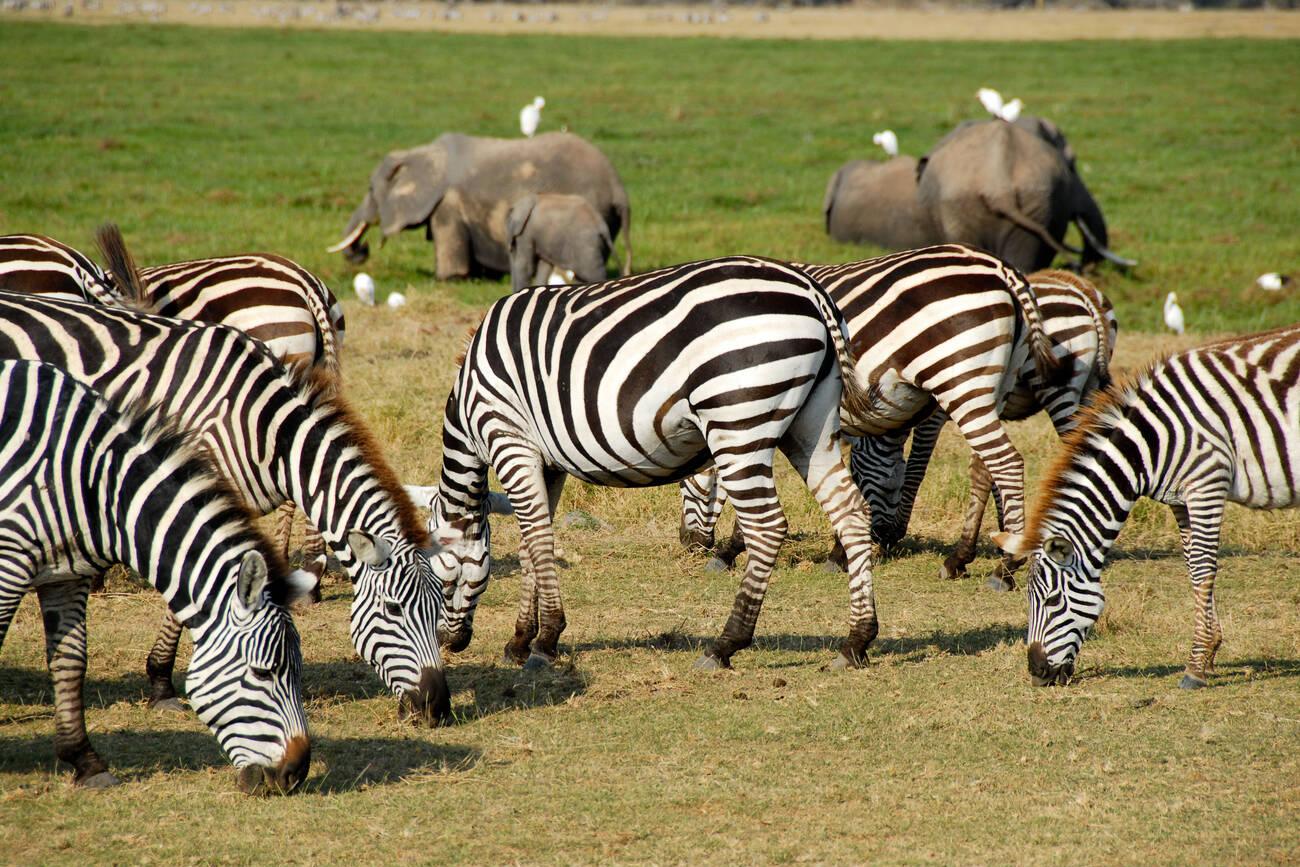
Seasonal movements of wildebeest and zebra shape much of the Serengeti experience, creating dramatic wildlife concentrations in different parts of the ecosystem throughout the year.

EXCEPTIONAL BIG CAT VIEWING

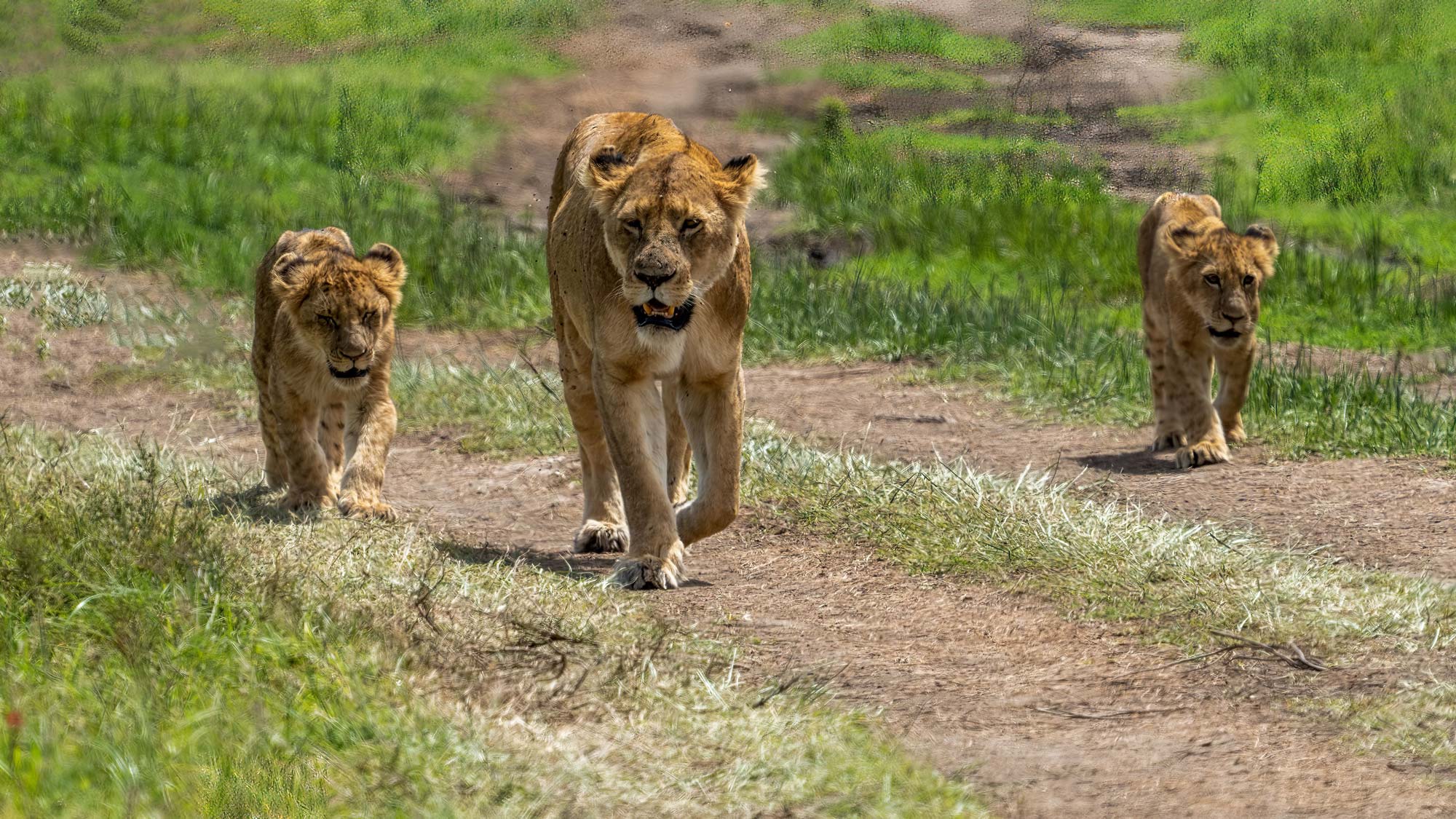
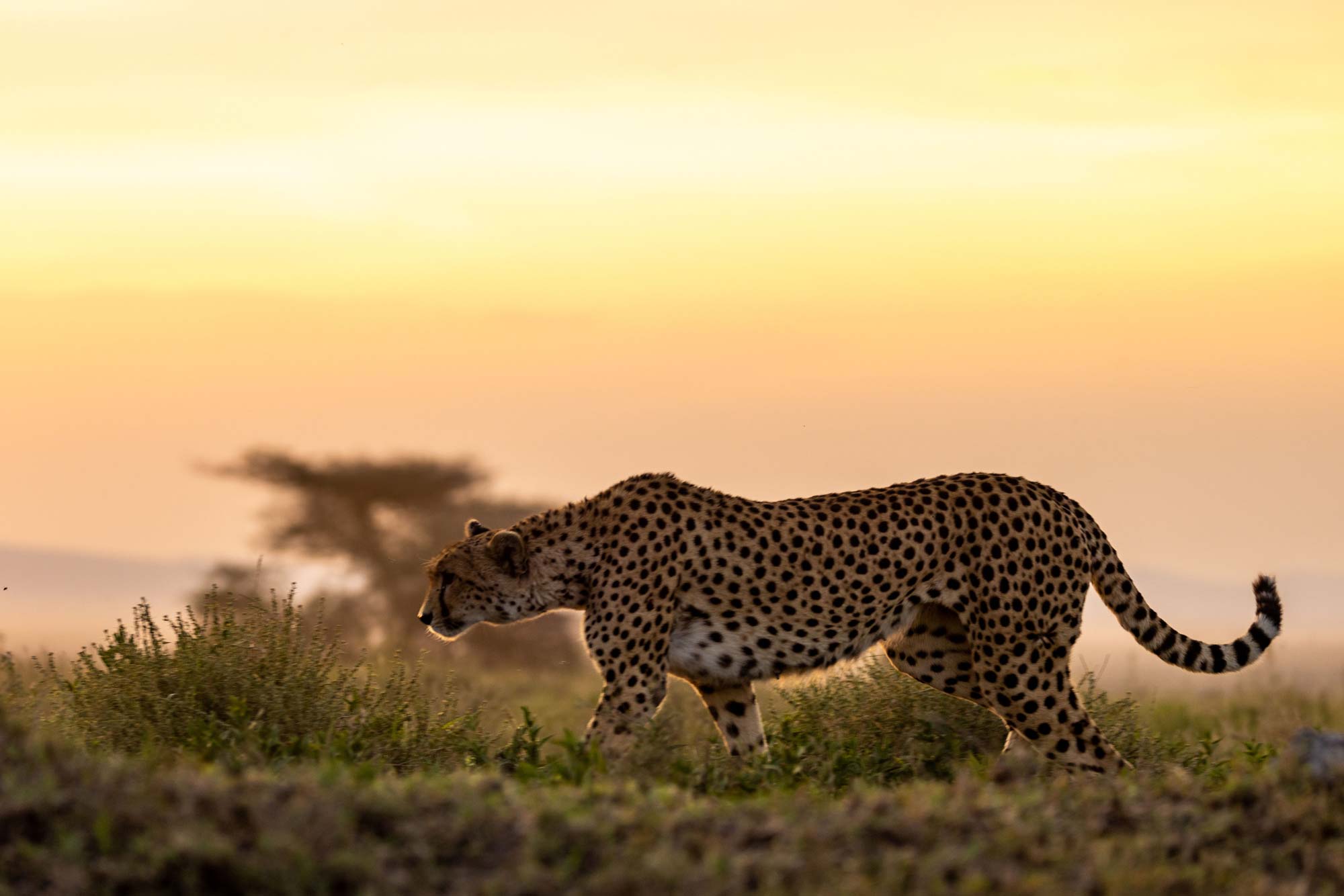
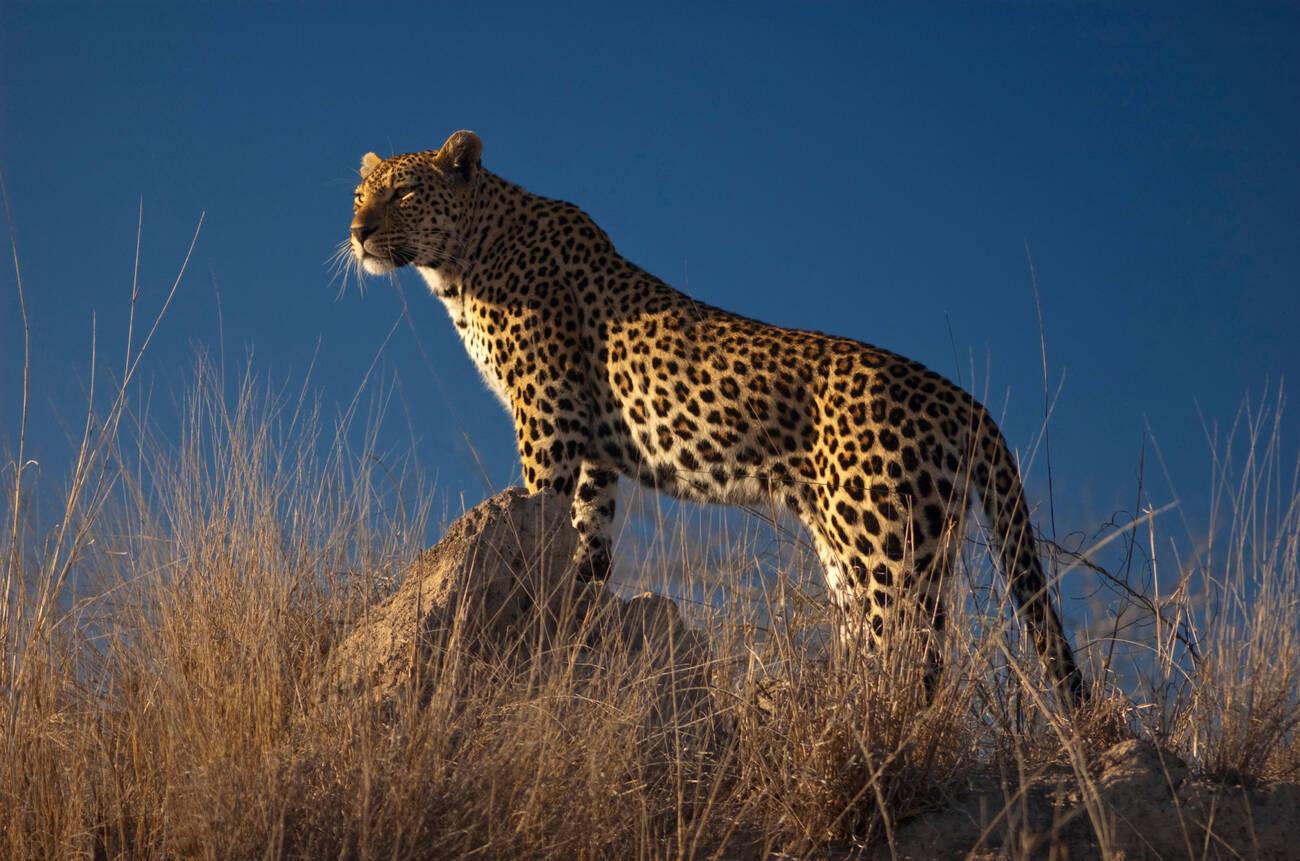
The Serengeti is renowned for lions, cheetahs and leopards, with strong opportunities to observe predator behaviour across plains, kopjes and riverine areas.

HOT AIR BALLOON SAFARIS

A sunrise balloon flight offers a completely different perspective of the Serengeti, with sweeping aerial views of the landscape and wildlife below.

Serengeti Overview

Few places represent African safari as completely as the Serengeti. Covering about 14,763 square kilometres, the park forms the heart of the wider Serengeti–Mara ecosystem and protects vast grasslands, woodland, river valleys and rocky kopjes. 

The Serengeti is best known for the Great Migration, but the park is far more than a seasonal spectacle. It supports exceptional year-round wildlife, including large populations of lions, cheetahs, leopards, elephants, buffalo, giraffes, hyenas and numerous antelope species. UNESCO also recognises the Serengeti for its extraordinary predator–prey interactions and biological diversity. 

What makes the Serengeti especially rewarding is how much the landscape changes from one region to another. Open plains in the south, kopjes and river systems in the centre, woodland in the west and more remote country in the north all create very different safari experiences.

Regions of the Serengeti

Central Serengeti – Seronera

The central Serengeti is one of the most reliable areas for year-round wildlife viewing. Permanent water, riverine habitat and open plains support strong resident populations of lions, leopards, cheetahs, elephants and other wildlife.

Western Corridor

The western Serengeti is shaped by the Grumeti River and surrounding woodland. During parts of the migration season, large herds move through this region, while crocodiles, hippos and resident wildlife make it rewarding beyond migration periods as well.

Northern Serengeti

The north is more remote and less densely visited than the central plains. It becomes especially important during the migration period when herds move toward the Mara River and between northern Tanzania and Kenya. The wider Serengeti–Mara ecosystem extends across both countries. 

Southern Serengeti & Ndutu Plains

The short-grass plains south of Serengeti National Park and around Ndutu become especially important during the green season. Large migration herds gather in this wider ecosystem for fresh grazing, and the period is particularly associated with calving and intense predator activity.

Climate & Landscape

The Serengeti changes dramatically through the year. The drier months generally fall between June and October, while shorter rains usually arrive around October and November and the longer rains between March and May. These seasonal changes influence vegetation, water availability and wildlife movement across the ecosystem. 

The landscape is far more varied than the famous open plains suggest. Southern short-grass plains give way to central savannah, acacia woodland, rocky kopjes, river valleys and more wooded country toward the west and north. This variety of habitats is one reason the Serengeti supports such extraordinary wildlife diversity. UNESCO recognises the park for both its migration and its exceptionally rich predator–prey ecosystem. 

A Brief History of the Serengeti

The Serengeti has been shaped by people, wildlife and conservation for generations. The area was formally established as Serengeti National Park in 1951, becoming one of Tanzania’s earliest major protected areas. In 1959, the Ngorongoro Conservation Area was separated from the park under a different management system that allowed conservation and pastoral land use to continue alongside one another. 

International recognition followed as the Serengeti became increasingly important for wildlife research and conservation. In 1981, UNESCO designated Serengeti National Park a World Heritage Site in recognition of its exceptional biodiversity, vast migration system and remarkable predator–prey relationships. 

Today, the Serengeti remains at the heart of a much larger ecosystem extending beyond the park boundaries into surrounding conservation areas and Kenya’s Maasai Mara. 

The Great Migration

The Great Migration is a continuous movement of wildebeest, zebra and other grazing animals through the Serengeti–Mara ecosystem in search of fresh pasture and water. It is not a single event or one fixed location — the herds move throughout the year, and the experience changes depending on season, rainfall and where the animals are concentrated. 

More than a million wildebeest take part in this annual cycle, accompanied by large numbers of zebra and gazelles, while lions, cheetahs, leopards, hyenas and other predators follow the movement of the herds. 

Southern Plains & Calving Season

Usually from around January to March, large herds gather across the southern Serengeti ecosystem and Ndutu plains where nutrient-rich short grasses provide ideal conditions for calving. Hundreds of thousands of wildebeest calves are born during this period, creating exceptional opportunities to observe newborns and intense predator activity. TANAPA notes that the peak calving period can see thousands of births in a single day. 

Central & Western Movement

As conditions begin to dry, the herds gradually move northwest through the central Serengeti toward the Western Corridor. This period can bring large concentrations of wildebeest and zebra, particularly as they approach the Grumeti River system.

Northern Serengeti & Mara River

Later in the migration cycle, large herds move into northern Serengeti and toward the Mara River. River crossings can occur during this period, but they are natural events and cannot be scheduled or guaranteed.

The Return South

As seasonal rains return, the herds gradually begin moving south again through the Serengeti ecosystem, eventually returning toward the southern plains and completing the annual cycle.

Planning Around the Migration

There is no single “best” month for the Great Migration. The right area depends on what you want to experience — calving, large moving herds, river-crossing season or quieter migration landscapes. Because rainfall influences the animals’ movements, migration-focused itineraries should always allow some flexibility.


Wildlife Beyond the Migration

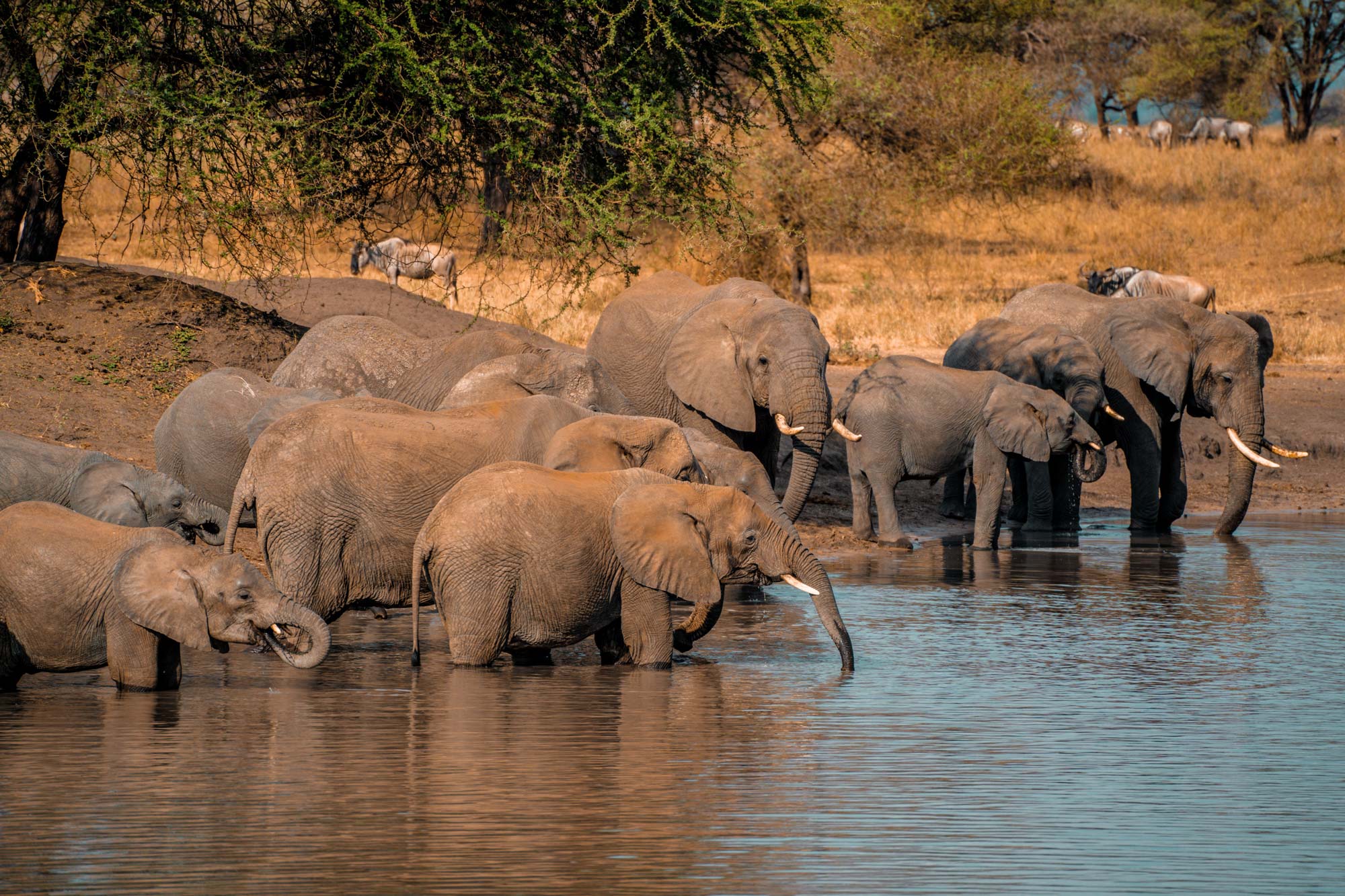
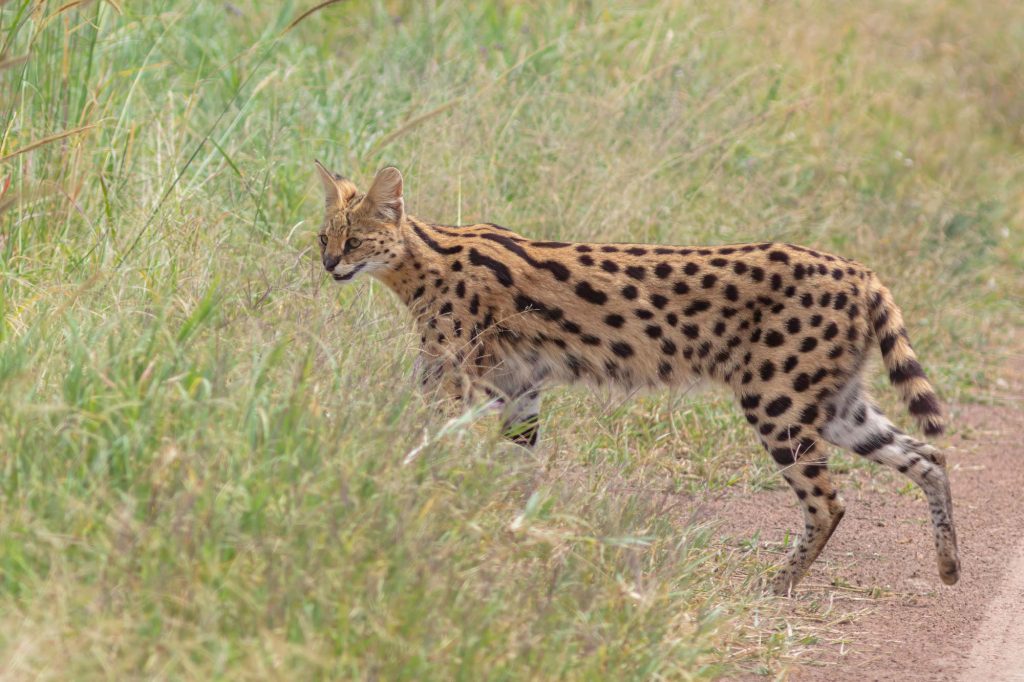
The Great Migration may be the Serengeti’s most famous spectacle, but the park’s resident wildlife is exceptional throughout the year. Lions, leopards, cheetahs, elephants, buffalo, giraffes, hippos, spotted hyenas and numerous antelope species can all be found across the ecosystem, while black rhinos survive in small, carefully protected populations. 

The Serengeti is particularly renowned for predator–prey interactions. Its combination of open plains, permanent water, woodland and rocky kopjes creates excellent habitat for large carnivores as well as the herbivores they depend on. UNESCO describes the park as supporting one of the world’s largest and most diverse large predator–prey systems. 

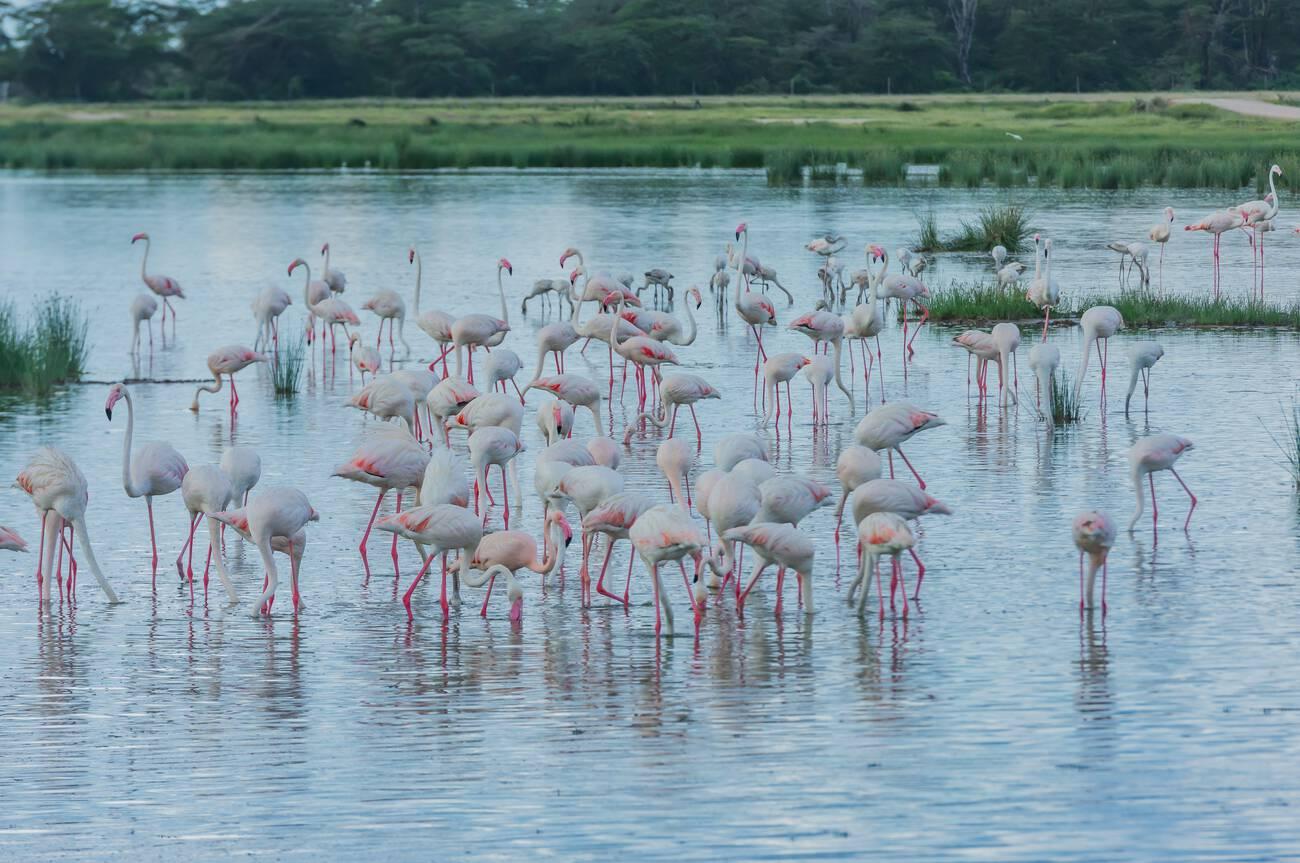
Birdlife is equally impressive, with more than 500 species recorded across the park, from raptors and ostriches to colourful rollers, storks and seasonal migrants. 

Serengeti Kopjes

Scattered across the plains, the Serengeti’s granite kopjes create natural viewpoints, shade and shelter for wildlife. Lions are often associated with these rocky outcrops, while leopards, reptiles and smaller species may also use them.

Safari Experiences in Serengeti National Park

Game Drives

Morning, afternoon and full-day game drives are the core Serengeti experience. Private game drives allow more flexibility with timing, sightings and photography, while different regions of the park offer different landscapes and wildlife throughout the year.

Hot Air Balloon Safaris

A sunrise balloon safari offers a completely different perspective of the Serengeti, drifting quietly above the plains before landing for breakfast. Routes and launch areas vary by season and location.

Walking Safaris

Guided walking safaris are available in selected areas and provide a closer look at tracks, plants, insects, birdlife and the smaller details of the ecosystem that are easy to miss from a vehicle.

Wildlife Photography

The Serengeti is one of Tanzania’s strongest destinations for photography, with open landscapes, dramatic light and exceptional opportunities to photograph predators, migration herds and wildlife behaviour.

Migration-Focused Safaris

For travellers visiting specifically for the Great Migration, itineraries can be designed around the seasonal movement of the herds, with the route adjusted according to the time of year and current conditions.


Where to Stay in serengeti National park

The Serengeti offers a wide range of accommodation, from stylish tented camps to high-end safari lodges, and the best choice depends on both your preferred level of comfort and the part of the park you want to explore.

Central Serengeti – Seronera

The most versatile base for year-round wildlife viewing. Seronera has excellent access to resident predators, open plains and riverine habitats, making it especially suitable for first-time visitors and travellers who want consistently strong game viewing.

Northern Serengeti

A more remote setting with fewer vehicles and a strong wilderness feel. This area becomes particularly important during the northern migration season and is ideal for guests seeking privacy, dramatic landscapes and longer stays away from busier central areas.

Western Corridor

A strong option during periods when the migration moves through the west, with access to the Grumeti River, woodland and different wildlife habitats from the central plains.

Southern Serengeti & Ndutu

Best known for the green season and calving period, when large herds gather across the short-grass plains. Many seasonal camps operate in this wider area to keep guests close to the migration.

Choosing the Right Camp

At Explora V, we match accommodation to your travel dates, safari style and budget rather than simply choosing the most famous property. The right location can make a major difference to how much time you spend driving and how close you are to the wildlife experience you came to see.

GALLERY
Frequently Asked Questions (FAQs)

Where is Serengeti National Park located?

Serengeti National Park lies in northern Tanzania and forms the heart of the wider Serengeti–Mara ecosystem, which extends north into Kenya’s Maasai Mara. It can be reached by road from Arusha or by scheduled and charter flights to several airstrips within the park.


What is Serengeti National Park famous for?

The Serengeti is best known for the Great Migration, its vast open plains and exceptional predator viewing. Large numbers of wildebeest, zebra and gazelles move through the ecosystem throughout the year, while lions, cheetahs, leopards and hyenas make the park one of Tanzania’s most rewarding wildlife destinations.


When is the best time to visit Serengeti National Park?

The Serengeti is a year-round safari destination. The right time depends on what you want to experience. The southern plains are especially important during the calving season, the central Serengeti offers strong resident wildlife throughout the year, and the northern areas become particularly important when migration herds move toward the Mara River. Migration timing varies with rainfall and grazing conditions.


What animals can you see in Serengeti National Park?

Wildlife includes lions, leopards, cheetahs, elephants, buffalo, giraffes, hippos, spotted hyenas, wildebeest, zebra, gazelles and many other species. Black rhinos also survive in protected parts of the ecosystem, although sightings are uncommon. The park also supports an exceptional variety of birdlife.


How many days should I spend in Serengeti National Park?

For most travellers, 3 to 4 nights gives enough time to experience the Serengeti at a comfortable pace. Longer stays are useful for photographers, migration-focused safaris or itineraries that combine different regions of the park.


Can you visit Serengeti National Park throughout the year?

Yes. The Serengeti offers excellent wildlife viewing throughout the year, but the character of the safari changes with the seasons. Rainfall, migration movements and vegetation influence where wildlife concentrates, which is why the itinerary should be matched carefully to your travel dates.

Start Planning Your Serengeti Safari

Tell us when you’d like to travel and what kind of Serengeti experience you’re looking for. We’ll shape the journey around your dates, interests and preferred pace.

Serengeti National Park

Chat with us on WhatsApp