Lake Manyara National Park

A compact northern Tanzania park where groundwater forest, Rift Valley scenery, elephants, birdlife and the changing shores of Lake Manyara come together in one remarkably varied landscape.

Location

Northern Tanzania

Wildlife

Elephants, Giraffes, Buffalo, Monkeys & Birdlife

Best Time

Year-Round

Safari Duration

Half Day – 1 Day

Why Lake Manyara National Park Stand Out

GROUNDWATER FOREST

One of Manyara’s most distinctive features is its lush groundwater forest, where towering trees, dense vegetation and troops of baboons create a very different atmosphere from the open plains found elsewhere on the northern circuit.

THE LAKE & BIRDLIFE

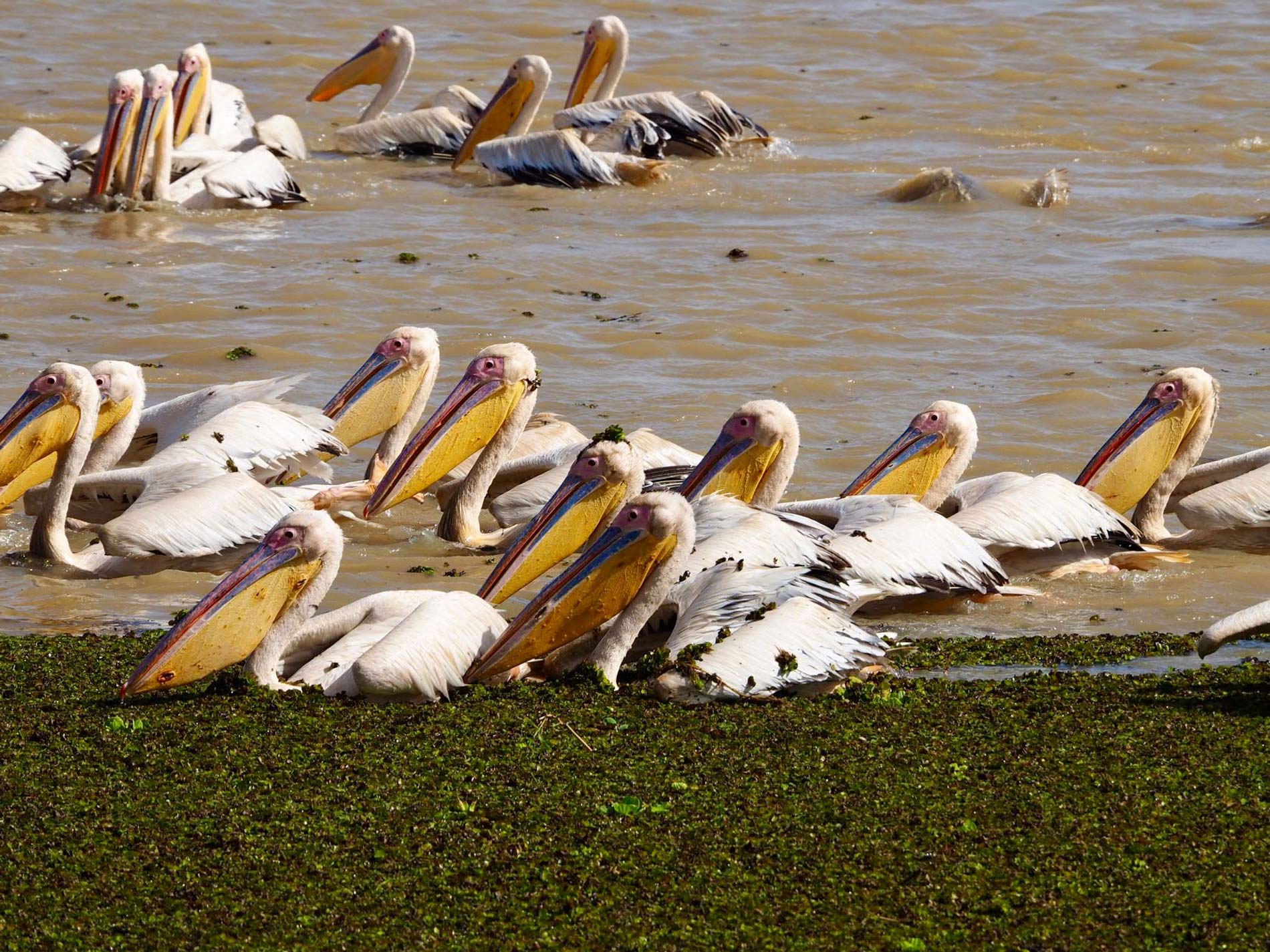
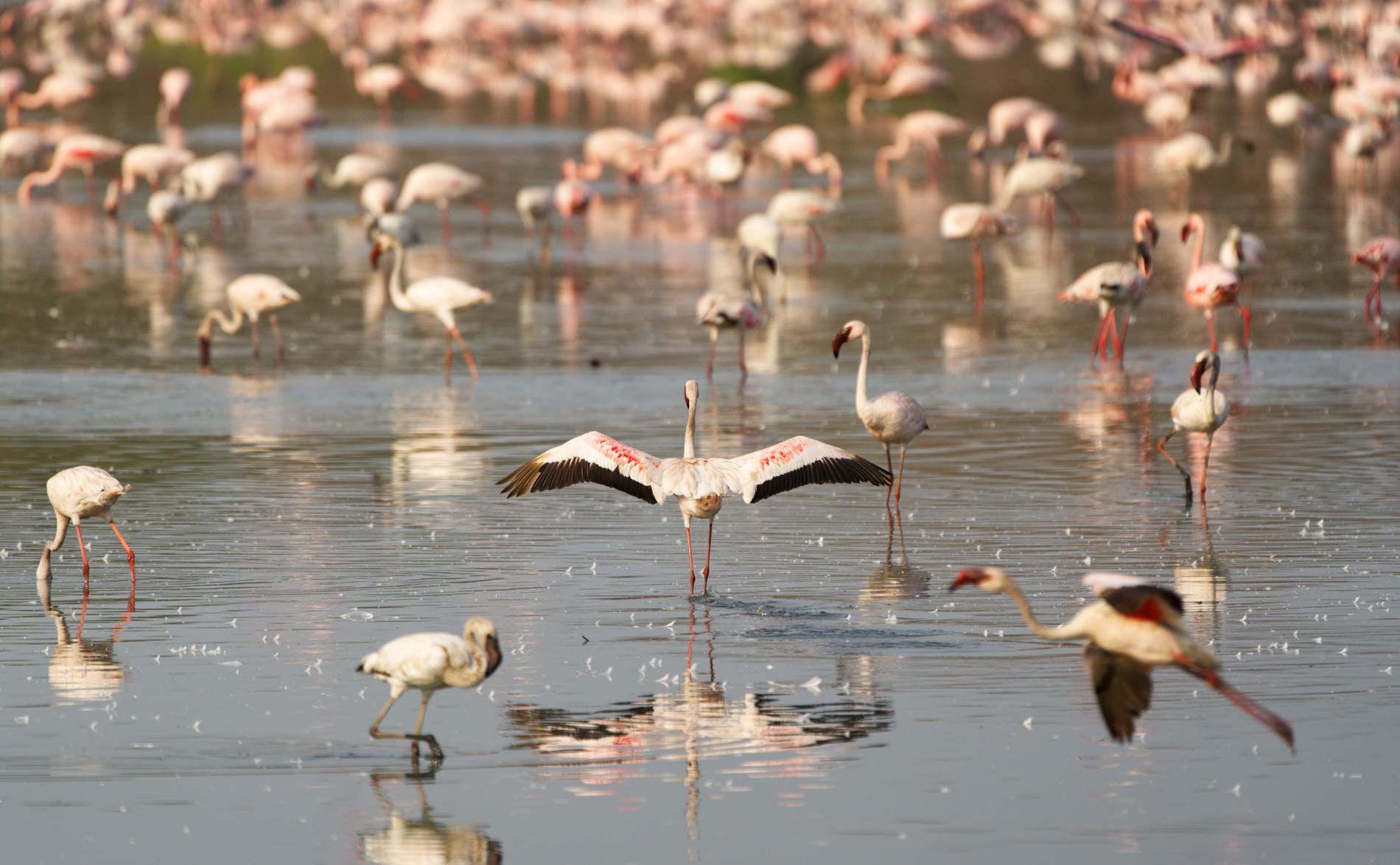
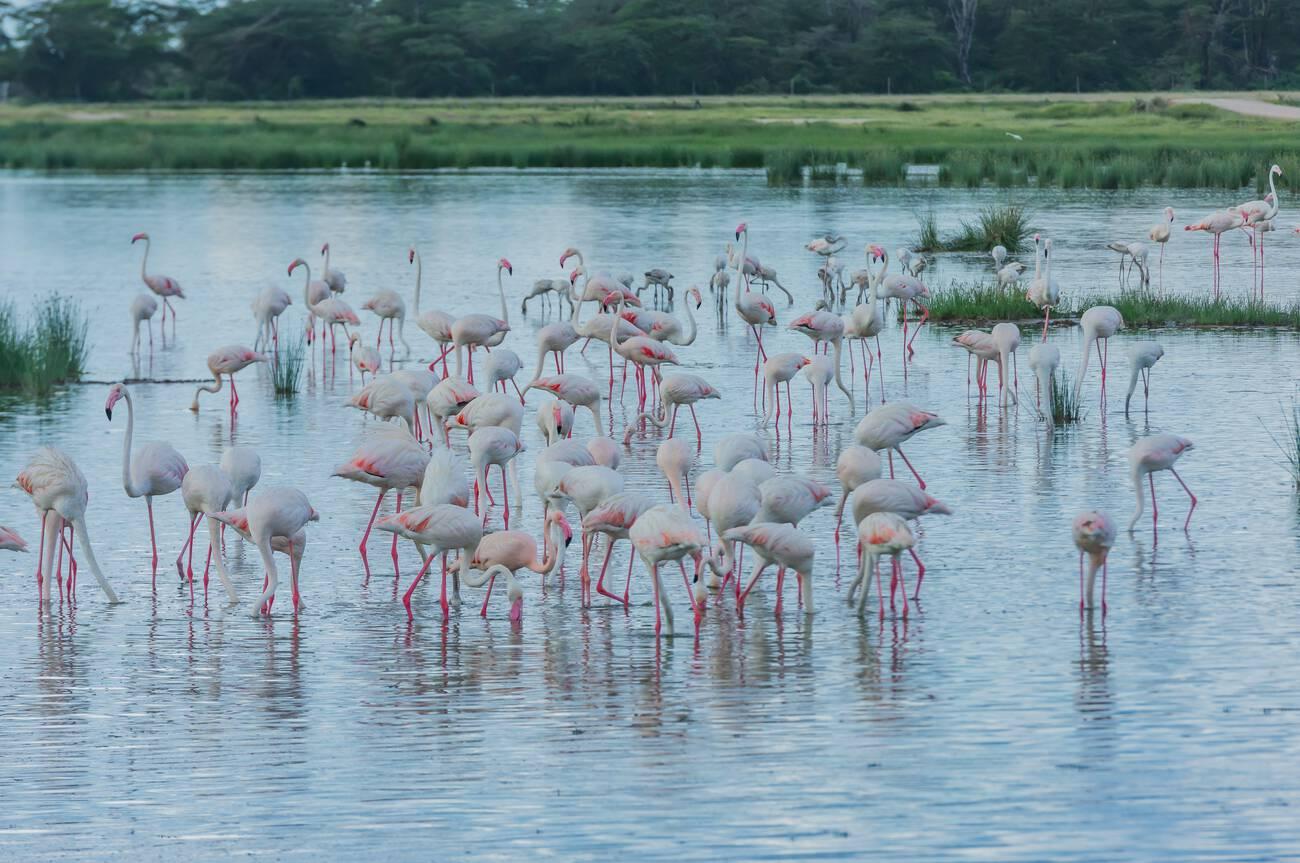
The shallow alkaline lake and surrounding wetlands attract a wide range of birdlife. Flamingos may be present depending on water levels and seasonal conditions, alongside pelicans, storks, herons and many other species.

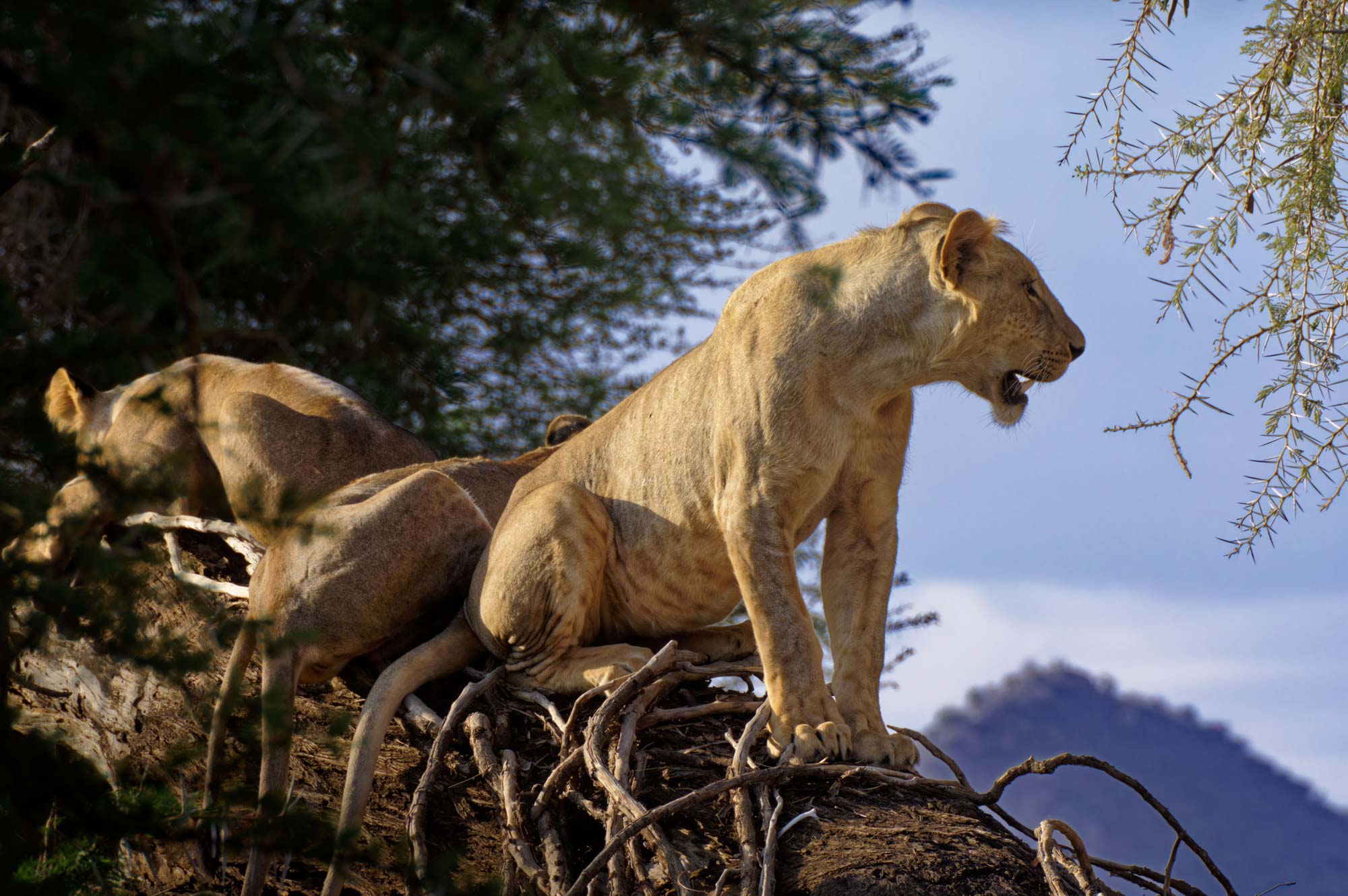
TREE-CLIMBING LIONS

Lake Manyara is well known for lions that have been observed resting in trees. Sightings are never guaranteed, but this unusual behaviour remains one of the park’s most recognizable wildlife stories.

A REMARKABLY VARIED LANDSCAPE

Within a relatively compact area, Manyara moves from forest and woodland to open grassland, wetlands and the lake shore beneath the Great Rift Valley escarpment. That variety is what gives the park its character.

Lake Manyara Overview

Lake Manyara National Park is one of the most varied stops on Tanzania’s northern safari circuit. Set between the Great Rift Valley escarpment and the lake itself, the park moves through groundwater forest, woodland, open grassland, wetlands and shoreline habitats within a relatively compact area.

That variety is the reason Manyara works so well in an itinerary. In a single game drive, guests may move from dense forest filled with baboons and monkeys to open areas where elephants, giraffes, buffalo and other wildlife are easier to spot.

The lake and surrounding wetlands also support rich birdlife. Flamingos may be present depending on seasonal conditions and water levels, while pelicans, storks, herons and many other species can be seen throughout the area.

Lake Manyara is also known for lions that have occasionally been observed resting in trees. Sightings are never guaranteed, but the behaviour has become one of the park’s best-known wildlife stories.

For most travellers, Lake Manyara works best as a half-day or full-day safari rather than a multi-night stay. Its location makes it especially easy to combine with Tarangire, Karatu and Ngorongoro, which is why we often use it as part of a well-paced northern Tanzania route rather than treating it as a standalone destination.

For guests who enjoy a mix of scenery, wildlife and birdlife, Manyara adds a different texture to the safari and helps break up the longer drives between Tanzania’s larger parks.

Location of the Park

Lake Manyara National Park lies in northern Tanzania, close to the town of Mto wa Mbu and beneath the Great Rift Valley escarpment.

From Arusha, the drive is usually around two to three hours depending on traffic and road conditions. The park is also conveniently positioned between Tarangire and the Ngorongoro highlands, making it easy to include without creating unnecessary backtracking.

That location is one of Manyara’s biggest advantages. It fits naturally into both shorter and longer northern circuit itineraries and can be paired with an overnight stay in Karatu or continued onward toward Ngorongoro.

Wildlife of Lake Manyara

Large Mammals

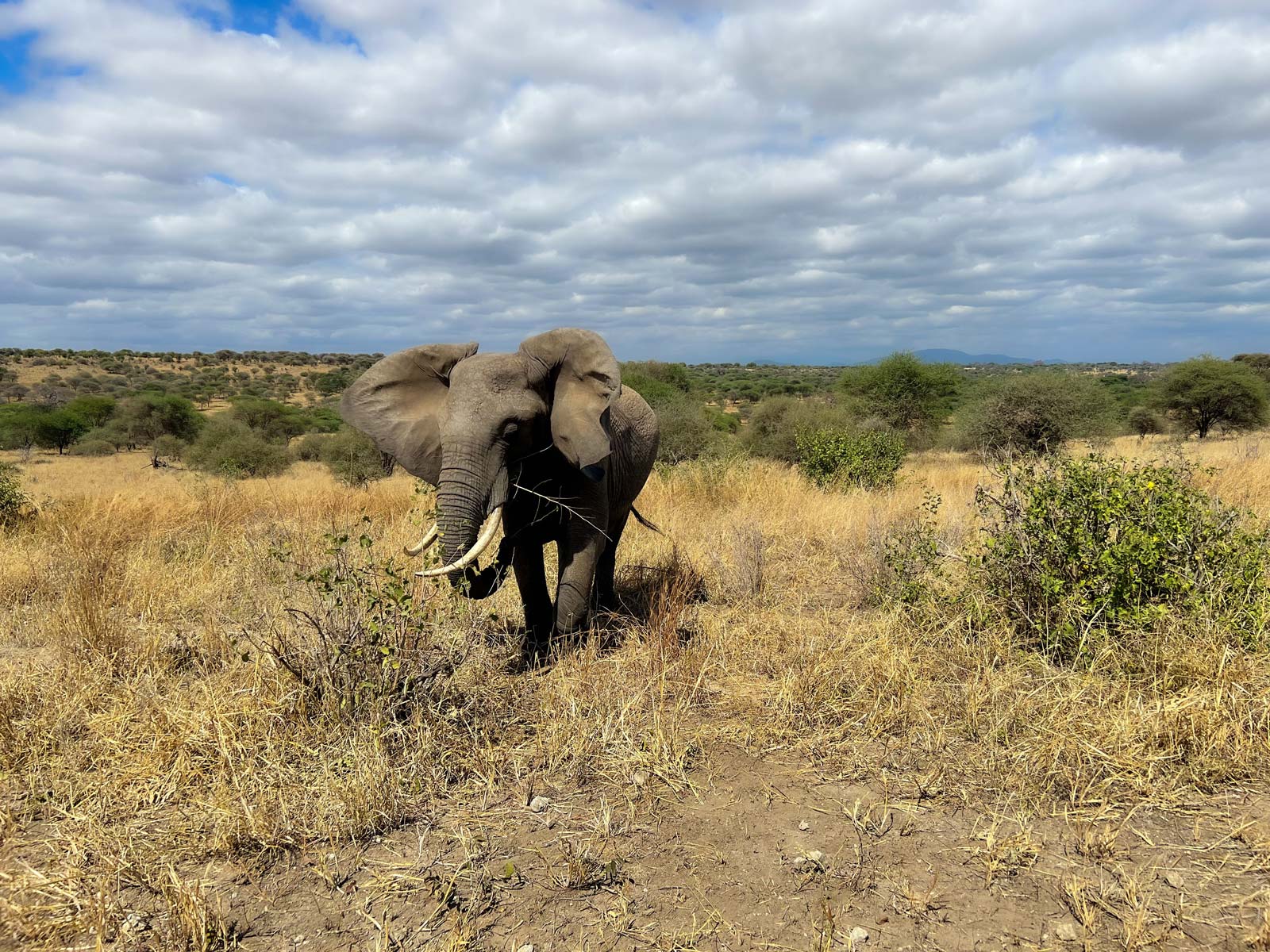
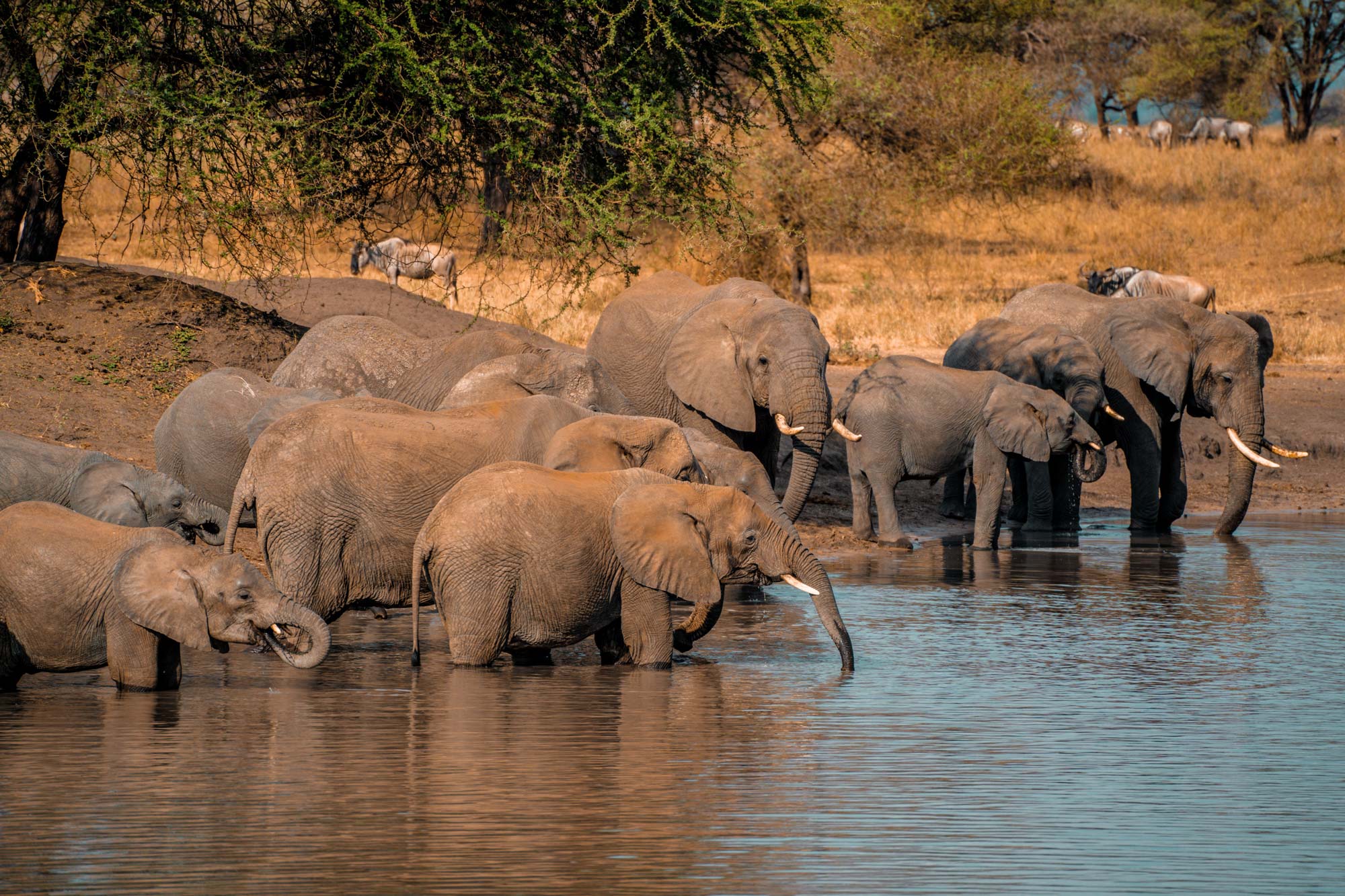
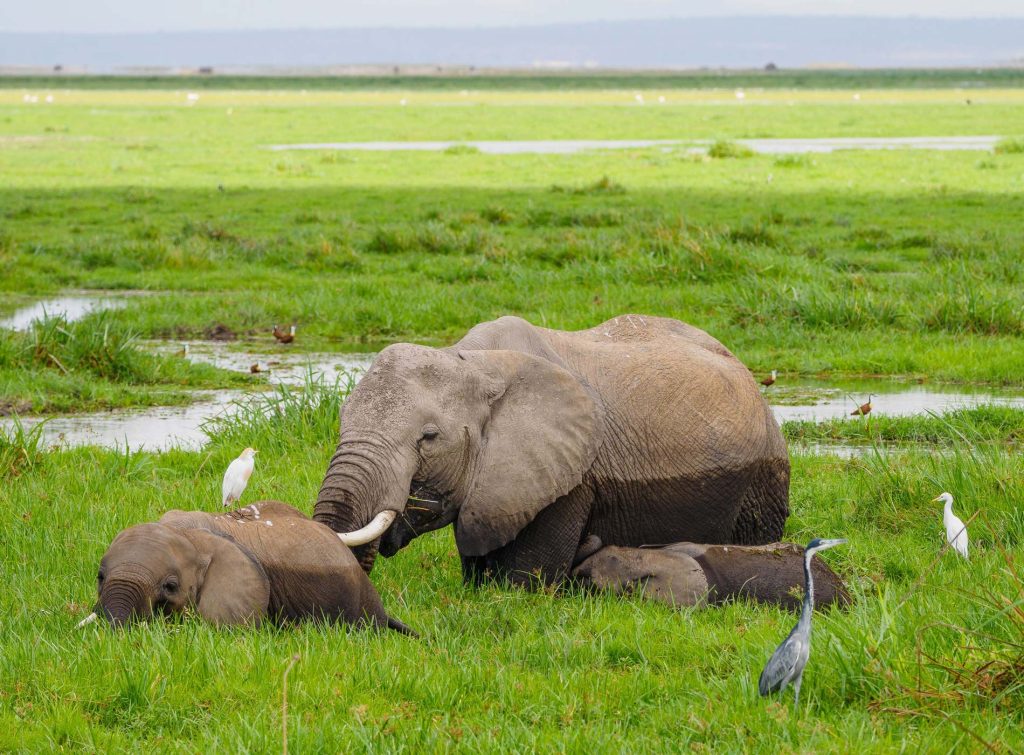
Lake Manyara is especially well known for elephants, and sightings can be particularly rewarding around the groundwater forest and more open areas of the park.

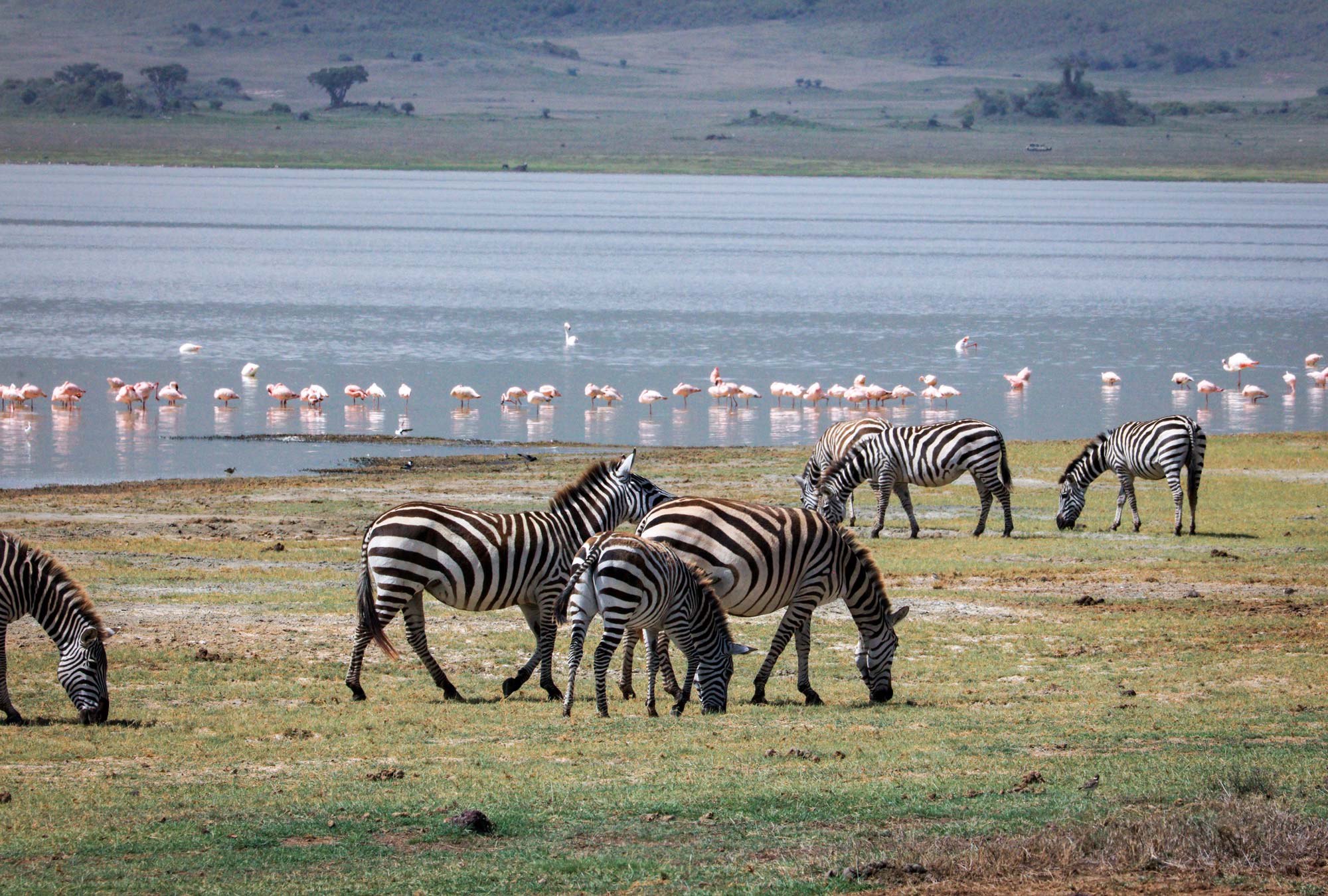
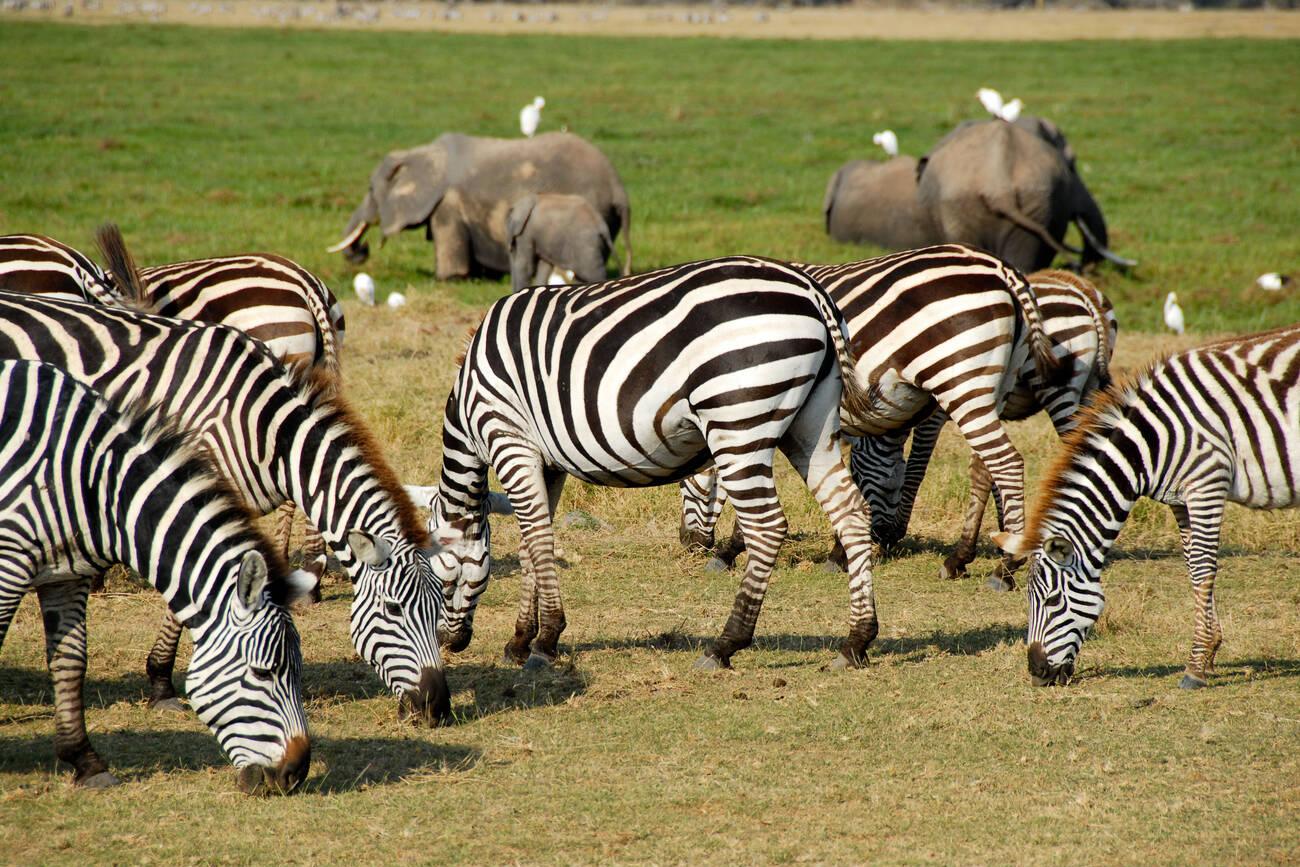
Buffalo, giraffes, zebra and other large herbivores also occur across the park’s grasslands, woodland and wetland edges, with sightings changing depending on season and water conditions.

Antelopes and Herbivores

Manyara supports a variety of antelope and grazing species, including impala, bushbuck and waterbuck.

Because the park moves through several habitats in a relatively small area, wildlife can change quickly from one section to another — one of the reasons a game drive here often feels more varied than expected.

Primates

The groundwater forest is one of the best places in the park for primate encounters.

Large troops of baboons are frequently seen, while blue monkeys are also associated with the forested areas, adding another layer to the experience beyond the larger mammals.

Predators

Lions occur in Lake Manyara, including individuals that have occasionally been observed resting in trees.

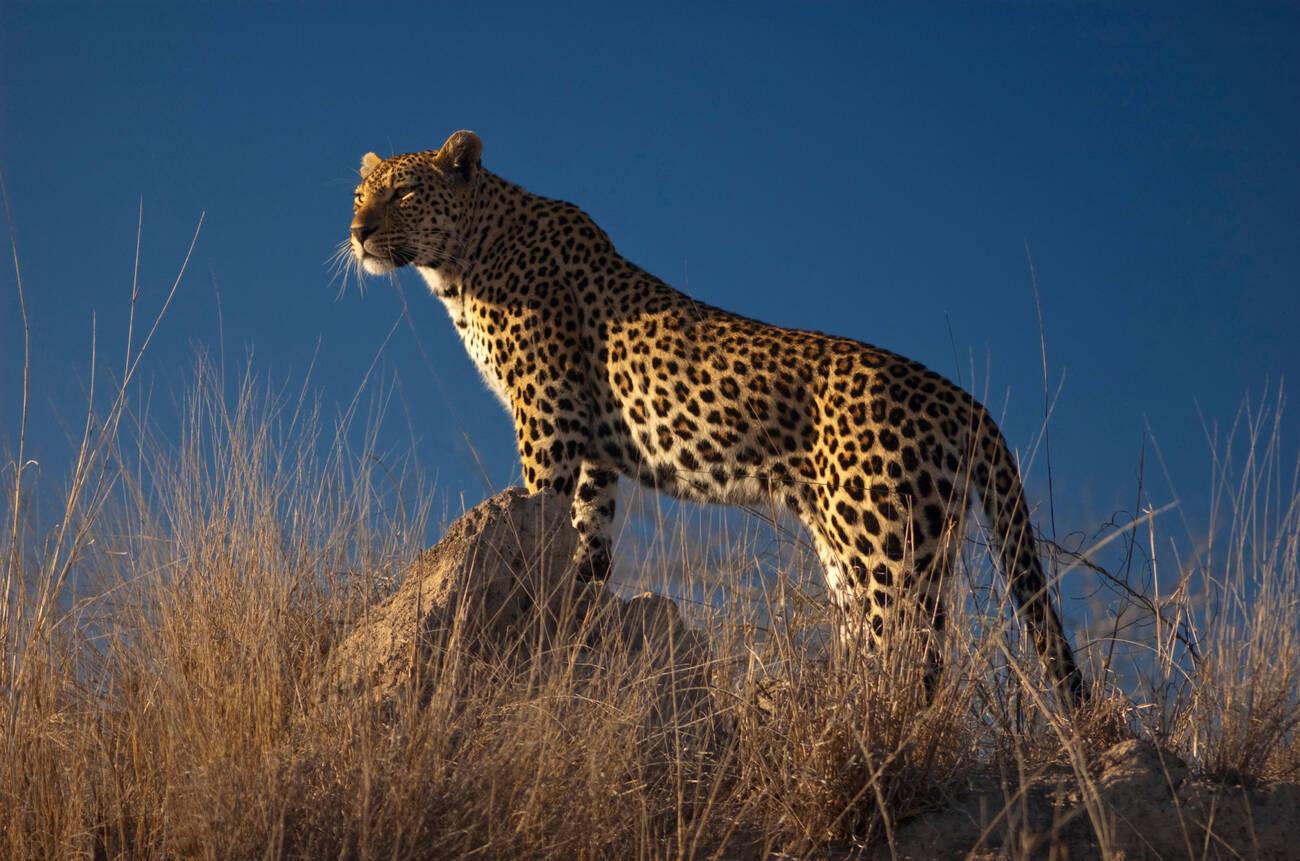
Leopards and other predators are also present, although sightings can be less predictable because of the park’s dense vegetation.

Birdlife

Lake Manyara is one of the strongest birding stops on the northern circuit.

Depending on seasonal conditions, guests may encounter flamingos, pelicans, storks, herons, raptors and a wide variety of other water and woodland species.

Landscapes and Habitats of Lake Manyara

Groundwater Fores

Near the park entrance, a lush groundwater forest is fed by springs emerging from the base of the Great Rift Valley escarpment.

Tall fig and mahogany trees create a cool, shaded environment where baboons, blue monkeys, elephants and a wide range of birdlife may be encountered.

Lake Manyara

The shallow alkaline lake is one of the park’s defining features and changes noticeably with seasonal water levels.

Its shoreline and wetlands support a variety of waterbirds, including pelicans, storks, herons and, when conditions are suitable, flamingos.

Floodplains and Grasslands

Open floodplains and grasslands provide important feeding areas for buffalo, zebra, wildebeest and antelope.

These more open sections also offer a different style of wildlife viewing from the dense forest near the park entrance.

Acacia Woodlands

Acacia woodland adds another layer to Manyara’s changing landscape and provides feeding habitat for giraffes, elephants, bushbuck and numerous bird species.

Lions are also sometimes encountered in these areas, including individuals resting in trees, although sightings are never guaranteed.

Maji Moto Hot Springs

At the southern end of the park, the Maji Moto hot springs add a geological contrast to the wildlife experience.

Warm mineral-rich water emerges near the base of the Rift Valley escarpment, offering another reminder of the volcanic forces that shaped this landscape.

Best Time to Visit Lake Manyara National Park

Dry Season, June to October

The dry season generally brings easier road conditions and thinner vegetation, which can make wildlife easier to spot in some areas of the park.

It is a popular time for game drives, with comfortable daytime conditions and good access across the northern safari circuit.

Green Season, November to May

The green season transforms Lake Manyara into a lush, vibrant landscape. Birdlife is especially rewarding during this period, and the park can feel quieter at certain times of year.

Seasonal rainfall can affect road conditions and water levels, but the changing scenery, fresh vegetation and softer light make this a beautiful time for photography.

Safari Activities

Game Drives

Game drives are the main way to experience Lake Manyara’s changing habitats, from groundwater forest and woodland to open grassland, wetlands and lake-edge scenery.

Your guide can adapt the route according to wildlife movement, road conditions and the time of day.

Birdwatching

Lake Manyara is one of the northern circuit’s strongest birding destinations, with a wide variety of waterbirds, woodland species and raptors.

Flamingos may be present when water levels and feeding conditions are suitable.

Wildlife Photography

Manyara is excellent for photography because the scenery changes quickly within a relatively compact area.

Elephants, primates, birdlife, forest, escarpment views and open plains give photographers a wide range of subjects in a single day.

Canoeing

When water levels, weather and park operations allow, guided canoeing can offer a different perspective of Lake Manyara and its shoreline.

It is best presented as an optional experience rather than a guaranteed activity, since availability can vary with conditions.

Treetop Walkway

The Manyara Treetop Walkway offers a different way to experience the forest, with suspended bridges taking visitors above sections of the forest floor.

From this elevated perspective, guests can enjoy the vegetation, birdlife and broader forest environment from a viewpoint very different from a vehicle-based safari.

Why Visit Lake Manyara National Park?

Lake Manyara is worth including not because it tries to compete with Serengeti or Ngorongoro, but because it offers something different.

The park changes character quickly — from shaded groundwater forest to open grassland, wetlands and lake-edge scenery — creating a varied safari experience within a relatively compact area.

Elephants, primates and birdlife are among the highlights, while the park’s famous tree-climbing lions remain a possibility rather than a promise.

Its location is another advantage. Lake Manyara fits naturally between Arusha, Tarangire, Karatu and Ngorongoro, making it easy to include without disrupting the flow of a northern Tanzania itinerary.

For travellers who appreciate scenery, wildlife diversity and a safari day that feels different from the larger open-plains parks, Manyara earns its place in the journey.

OUR GALLERY
Frequently Asked Questions (FAQs)

What is Lake Manyara National Park famous for?

Lake Manyara is known for its dramatic setting beneath the Great Rift Valley escarpment, lush groundwater forest, elephants, primates, rich birdlife and the unusual tree-climbing behaviour sometimes seen in its lions.


Which animals can I see in Lake Manyara National Park?

Wildlife may include elephants, buffalo, giraffes, zebra, wildebeest, hippos, impala, warthogs, baboons and blue monkeys. Lions and leopards also occur in the park, although predator sightings are less predictable. Birdlife is especially diverse around the lake, wetlands and forest.


When is the best time to visit Lake Manyara National Park?

Lake Manyara can be visited year-round. June to October generally brings drier conditions and easier wildlife viewing, while the greener months offer lush scenery, strong birdlife and excellent photographic conditions.


How long should I spend in Lake Manyara National Park?

For most travellers, a half-day or full-day game drive is enough to experience the park well. Guests with more time can also consider optional activities such as the treetop walkway or canoeing when conditions and operations allow.


Is Lake Manyara National Park worth visiting?

Lake Manyara is especially worthwhile for travellers who enjoy varied scenery, elephants, primates and birdlife, and who want a different experience from the open plains of Serengeti or Tarangire.

Its location also makes it easy to include between Arusha, Tarangire and the Ngorongoro highlands without disrupting the flow of a northern Tanzania itinerary.

Start Planning Your Journey

Tell us when you’d like to travel and how Lake Manyara fits into your Tanzania journey. We’ll help shape the timing, route, accommodation and surrounding parks around your plans.

Lake Manyara National Park

Chat with us on WhatsApp