Ngorongoro Crater

Descend into one of Africa’s most remarkable natural landscapes, where dramatic crater walls surround an extraordinary concentration of wildlife in a setting found nowhere else in Tanzania.

Location

Northern Tanzania — Ngorongoro Conservation Area

Wildlife

Lions, Elephants, Buffalo, Hippos, Black Rhino, Flamingos & More

Best Time

Year-round

Recommended Experience

Full-Day Crater Safari

Why Ngorongoro Crater Stand Out

A NATURAL AMPHITHEATRE

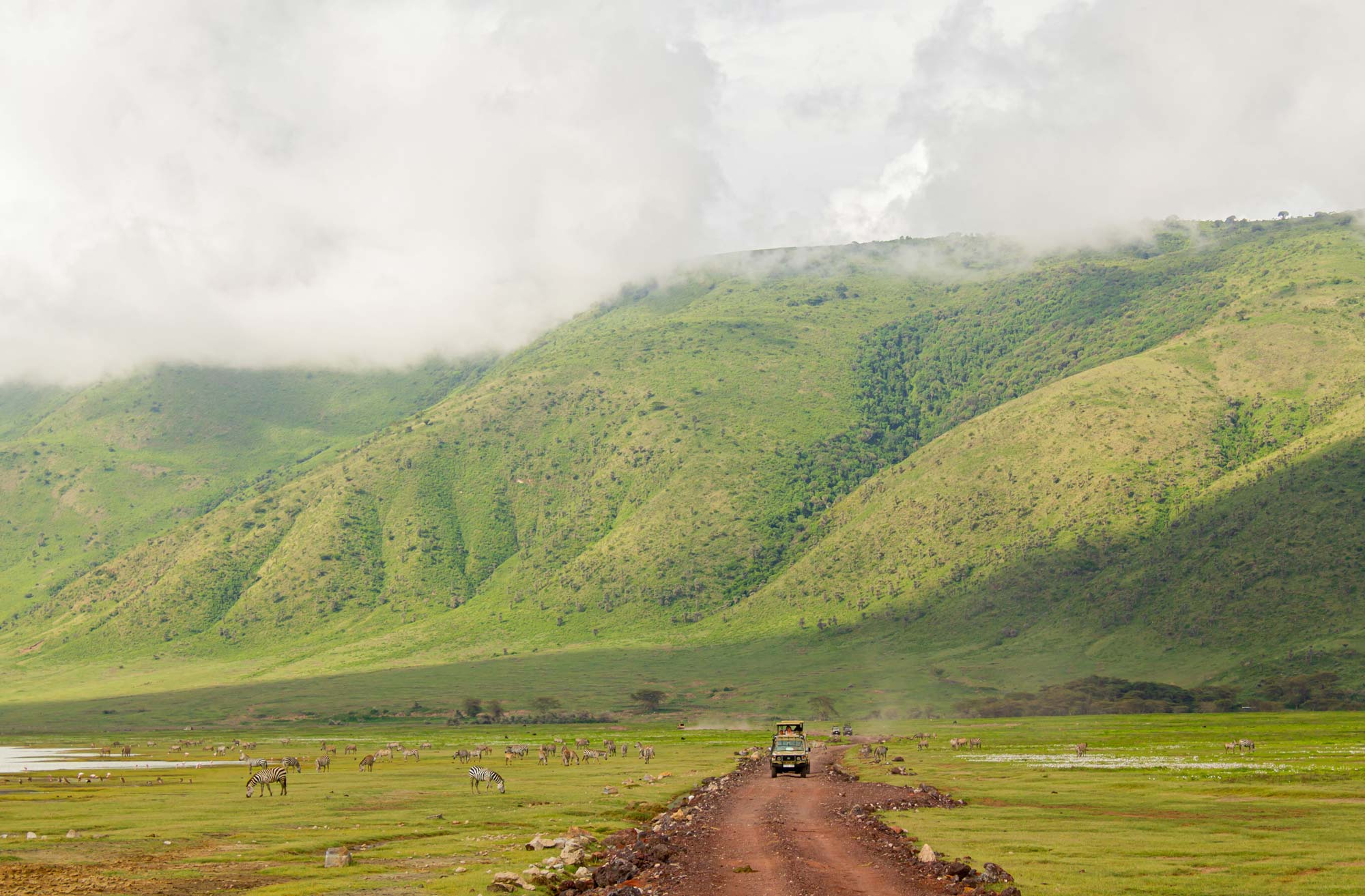
Descend from the crater rim into a vast volcanic landscape where grasslands, woodland, wetlands and seasonal lakes support an extraordinary concentration of wildlife.

EXCEPTIONAL WILDLIFE VIEWING

The crater is known for strong sightings of lions, buffalo, elephants, hippos and the possibility of seeing the endangered black rhino, all within a remarkably compact ecosystem.

LAKE MAGADI & WETLANDS

Seasonal waters, marshes and Lake Magadi attract waterbirds and other wildlife, adding another dimension to the crater-floor experience.

CULTURE & CONSERVATION

Ngorongoro is part of a wider conservation landscape where wildlife, pastoral communities and protected habitats have existed alongside one another for generations.

Ngorongoro Crater Overview

Ngorongoro Crater is one of Tanzania’s most extraordinary natural landscapes — a vast volcanic caldera where dramatic scenery and exceptional wildlife viewing come together within one remarkably compact ecosystem.

Formed millions of years ago after a massive volcano collapsed, the crater today covers roughly 260 square kilometres, with walls rising around 600 metres above the floor. Within those walls are open grasslands, wetlands, woodland, springs and Lake Magadi, creating several habitats within a relatively small area.

This concentration of habitats supports an impressive year-round wildlife population. Lions, buffalo, elephants, hippos, wildebeest, zebras and gazelles are regularly encountered, while Ngorongoro is also one of the better places in northern Tanzania to have the possibility of seeing the endangered black rhino.

The crater sits within the wider Ngorongoro Conservation Area, a UNESCO World Heritage Site recognised for its exceptional natural and cultural significance. What makes Ngorongoro especially memorable is not simply the number of animals, but the setting itself — descending from the highland rim into an ancient volcanic landscape that feels completely different from anywhere else on the northern circuit.

Location and Accessibility

Ngorongoro Crater lies within the Ngorongoro Conservation Area in northern Tanzania, between the Lake Manyara and Serengeti regions. Its position makes it a natural part of many northern Tanzania safari itineraries.

By road, the journey from Arusha typically takes around three to four hours depending on traffic, road conditions and stops along the way. Many itineraries overnight in Karatu or close to the crater rim before descending into the crater the following morning.

Ngorongoro also combines naturally with Tarangire, Lake Manyara and the Serengeti, which is why it works so well as part of a longer private safari rather than as an isolated stop.

Formation and Geological History

Ngorongoro Crater was formed around two to three million years ago after a massive volcano collapsed following major volcanic activity. The collapse created the immense caldera that defines the landscape today.

Over time, volcanic soils, springs, streams, grasslands, woodland and wetlands developed across the crater floor, creating a remarkably varied ecosystem within the surrounding walls.

That geological history is a major part of what makes Ngorongoro so distinctive. The crater is not simply a place to see wildlife — it is a complete landscape shaped by ancient volcanic forces and still strongly influenced by its geology today.

Wildlife found in Ngorongoro Crater

Large Mammals

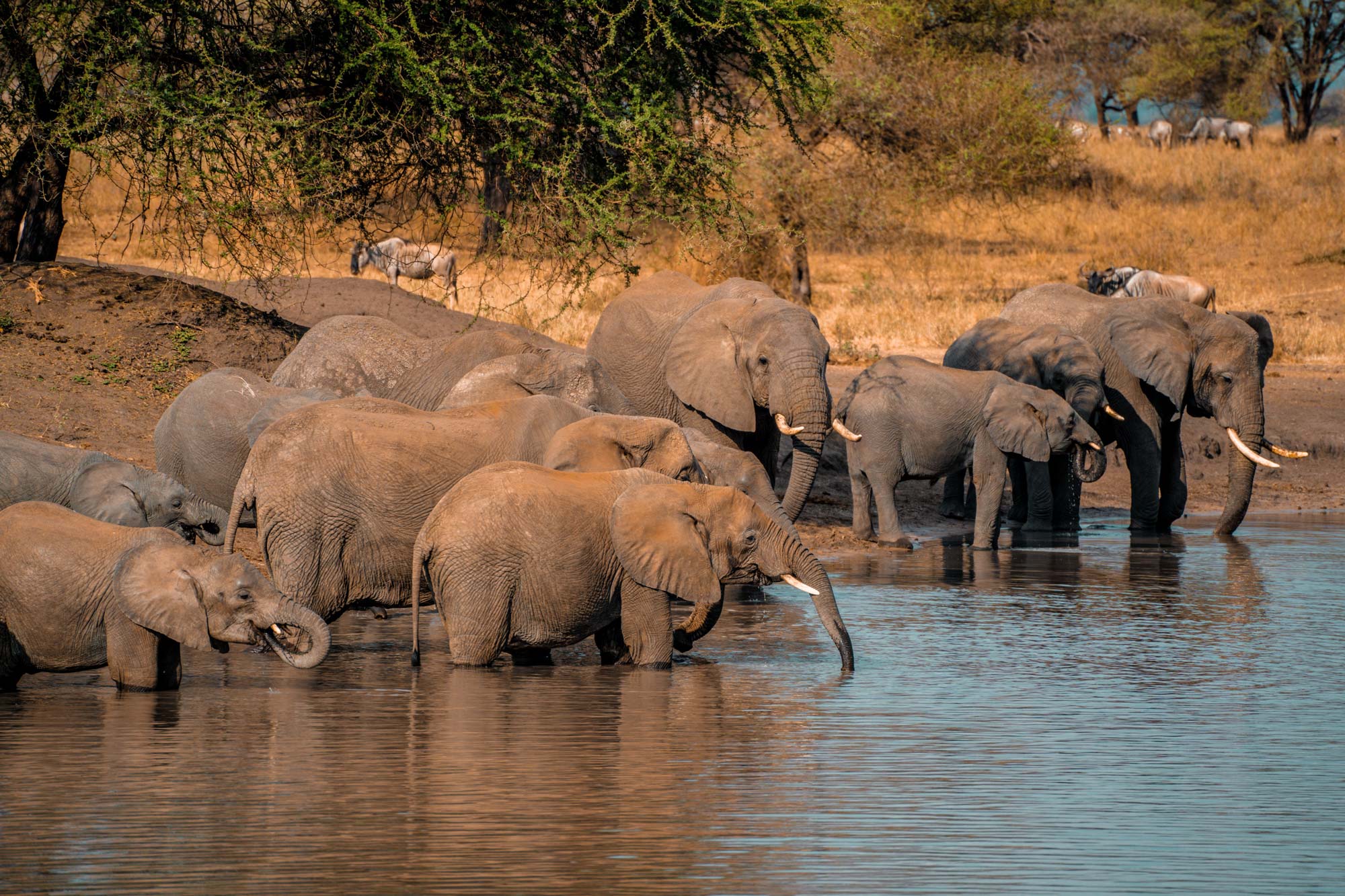
The crater supports a strong year-round population of large mammals, including buffalo, elephants, hippos, wildebeest and zebras. Bull elephants are often seen on the crater floor, while breeding herds are more commonly associated with surrounding highland and forest areas.

Grazing Wildlife

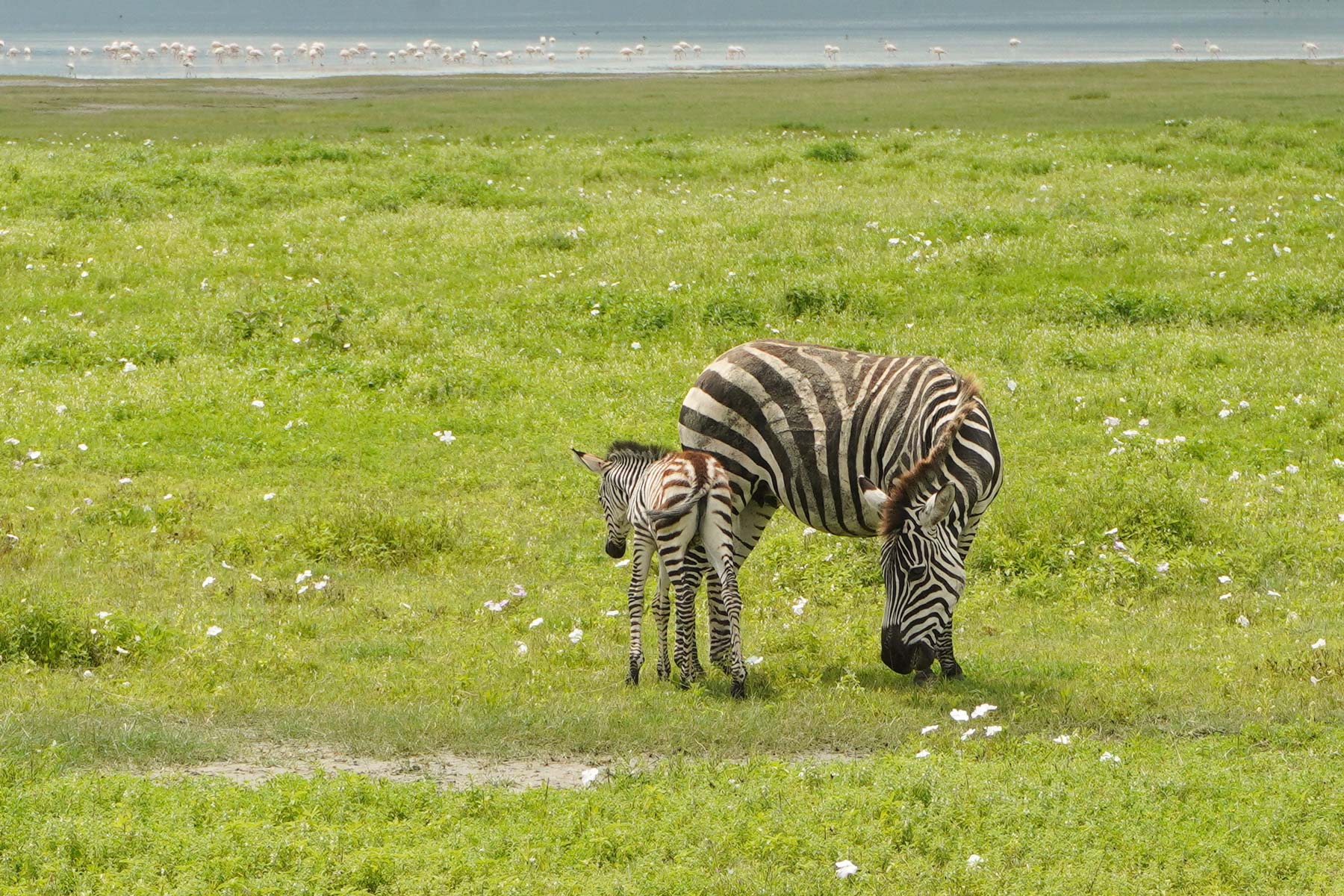
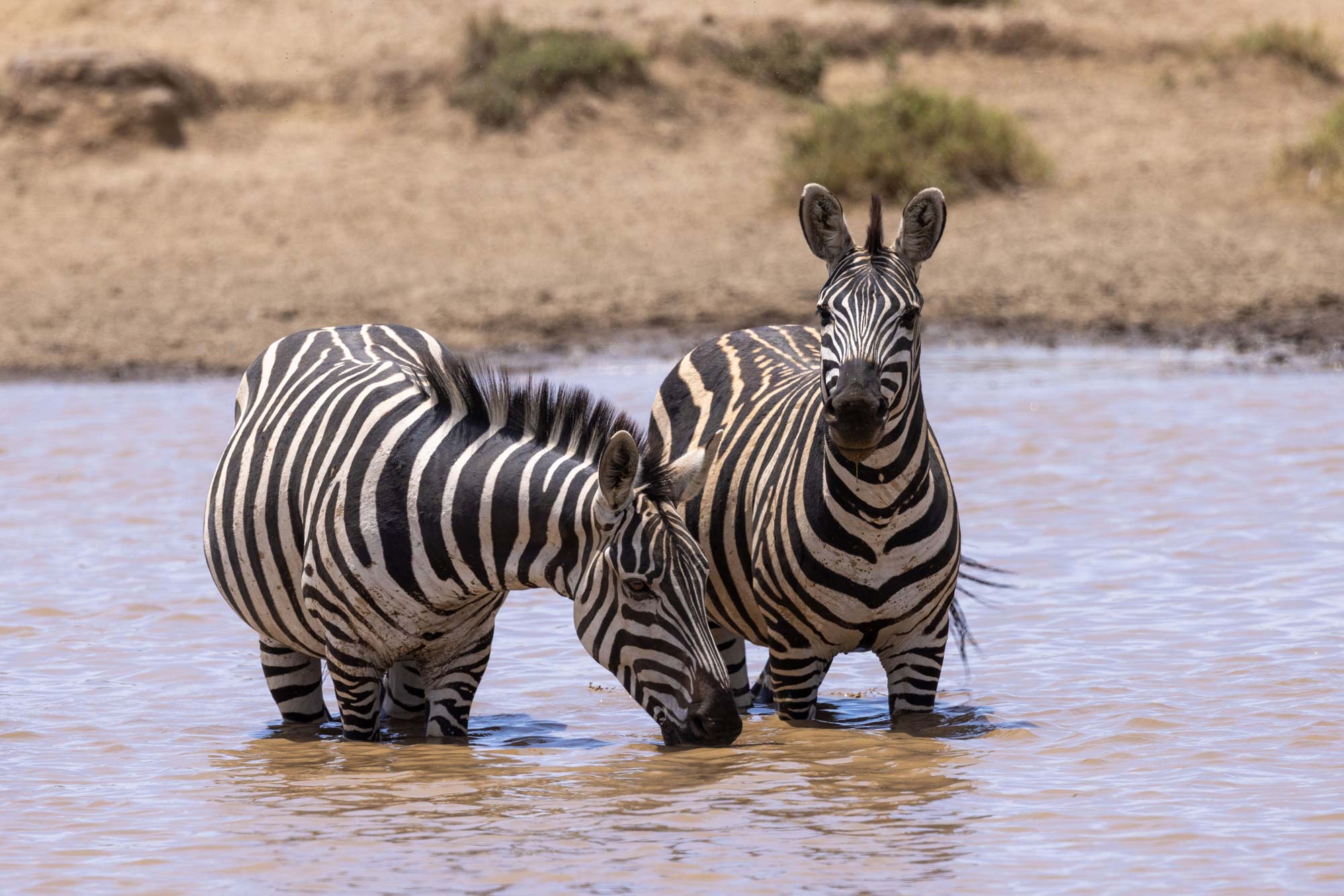
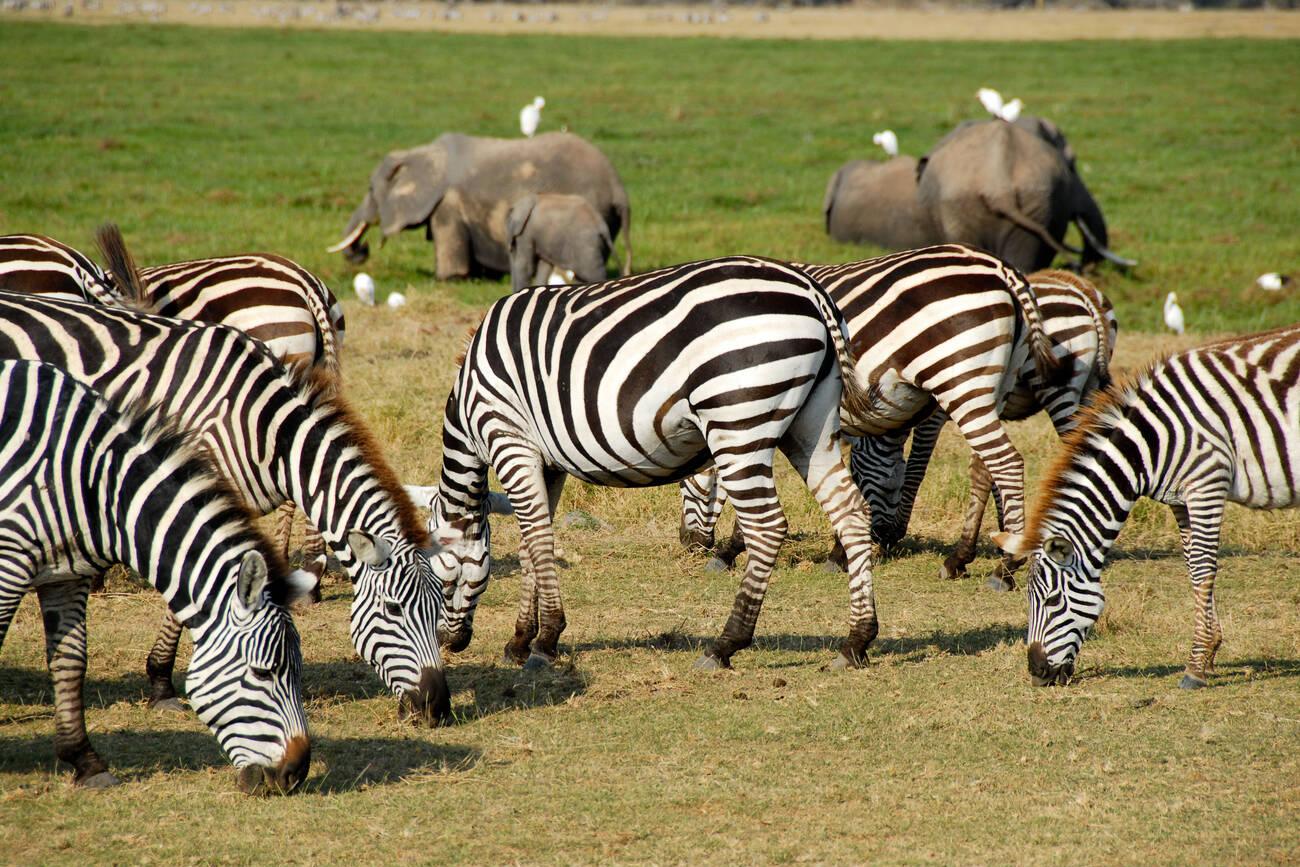
Open grasslands support wildebeest, plains zebra, Thomson’s and Grant’s gazelles, buffalo, eland, hartebeest and other herbivores. These species form an important part of the crater’s food web and help support its predator population.

Predators

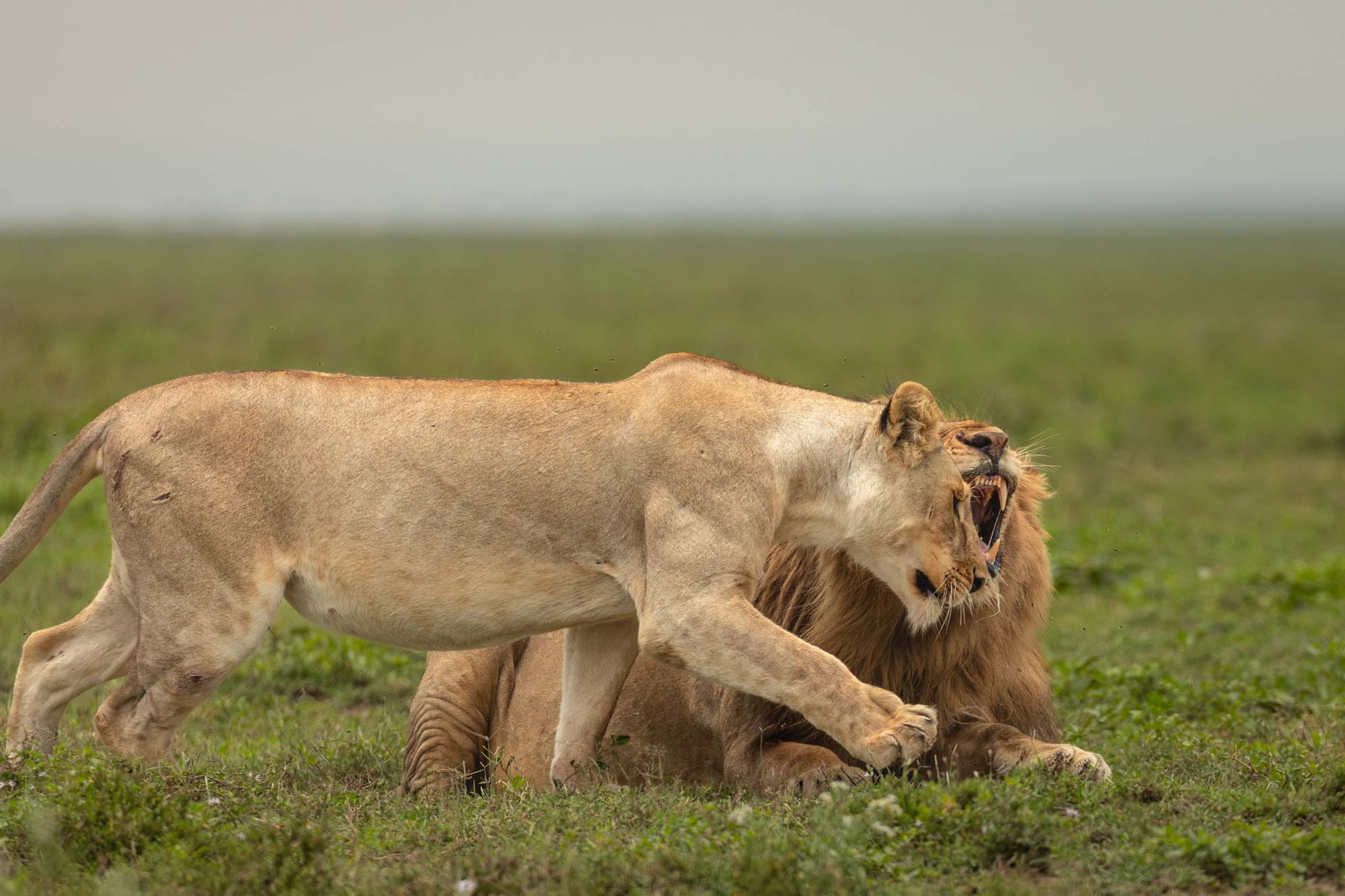
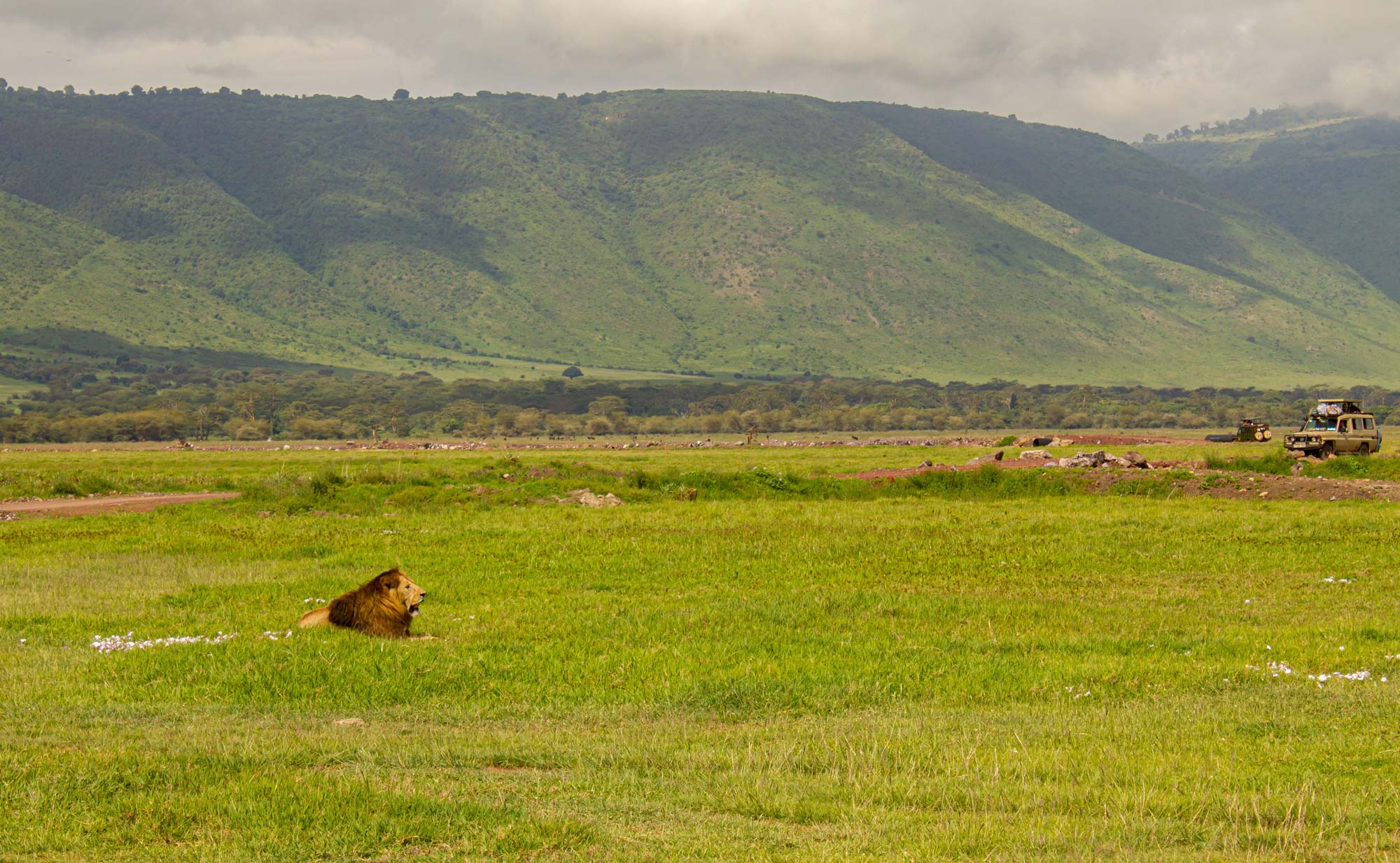
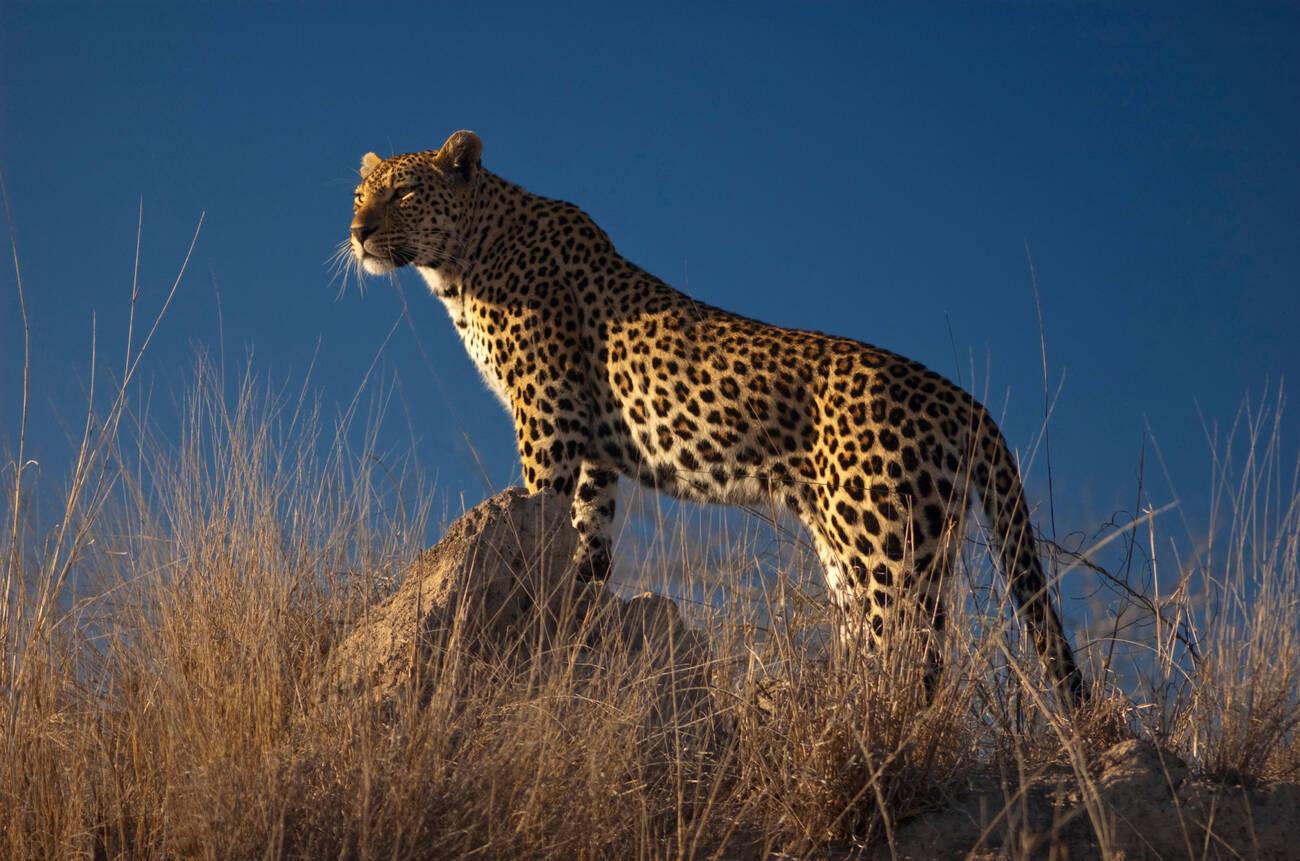
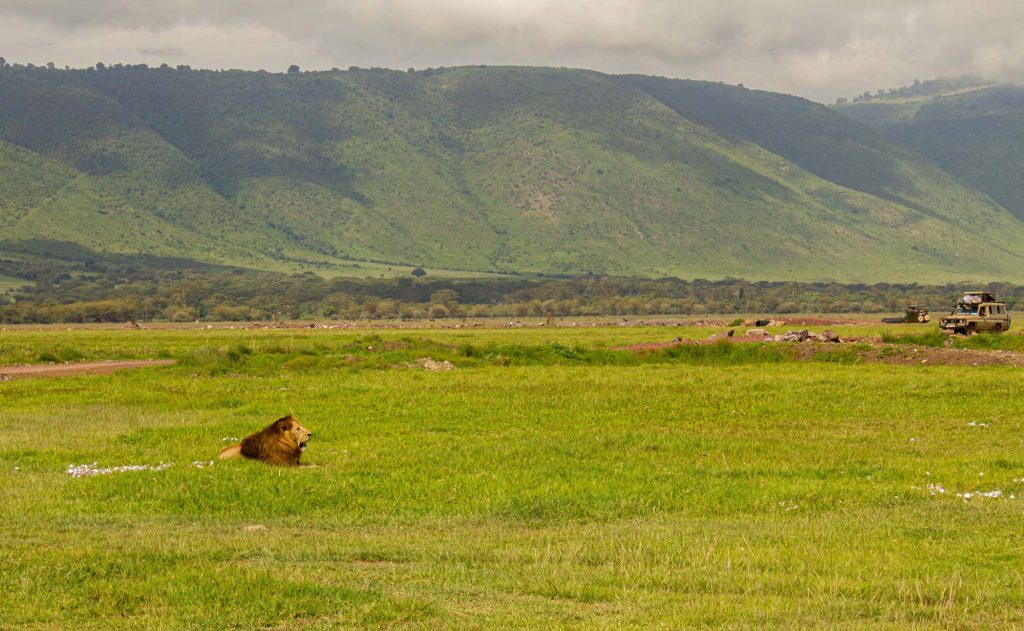
Lions are among the crater’s most visible predators, while spotted hyenas are also frequently encountered. Other carnivores may be present, but sightings vary and should never be treated as guaranteed.

Black Rhino

Ngorongoro is one of the better places in northern Tanzania to have the possibility of seeing the endangered black rhino. Sightings are never guaranteed, but the crater remains an important conservation area for the species.

Landscapes and Habitats of Ngorongoro Crater

Open Grasslands

Much of the crater floor is covered by open grassland, creating excellent grazing habitat for wildebeest, zebra, gazelles, buffalo and other herbivores. These open areas also make wildlife easier to spot and form important hunting grounds for lions and spotted hyenas.

Lerai Forest

Lerai Forest is one of the crater’s most distinctive habitats, dominated by yellow-barked acacia trees. The shaded woodland attracts elephants, bushbuck, baboons, monkeys and a wide variety of birds, giving the crater floor a very different character from the surrounding plains.

Lake Magadi

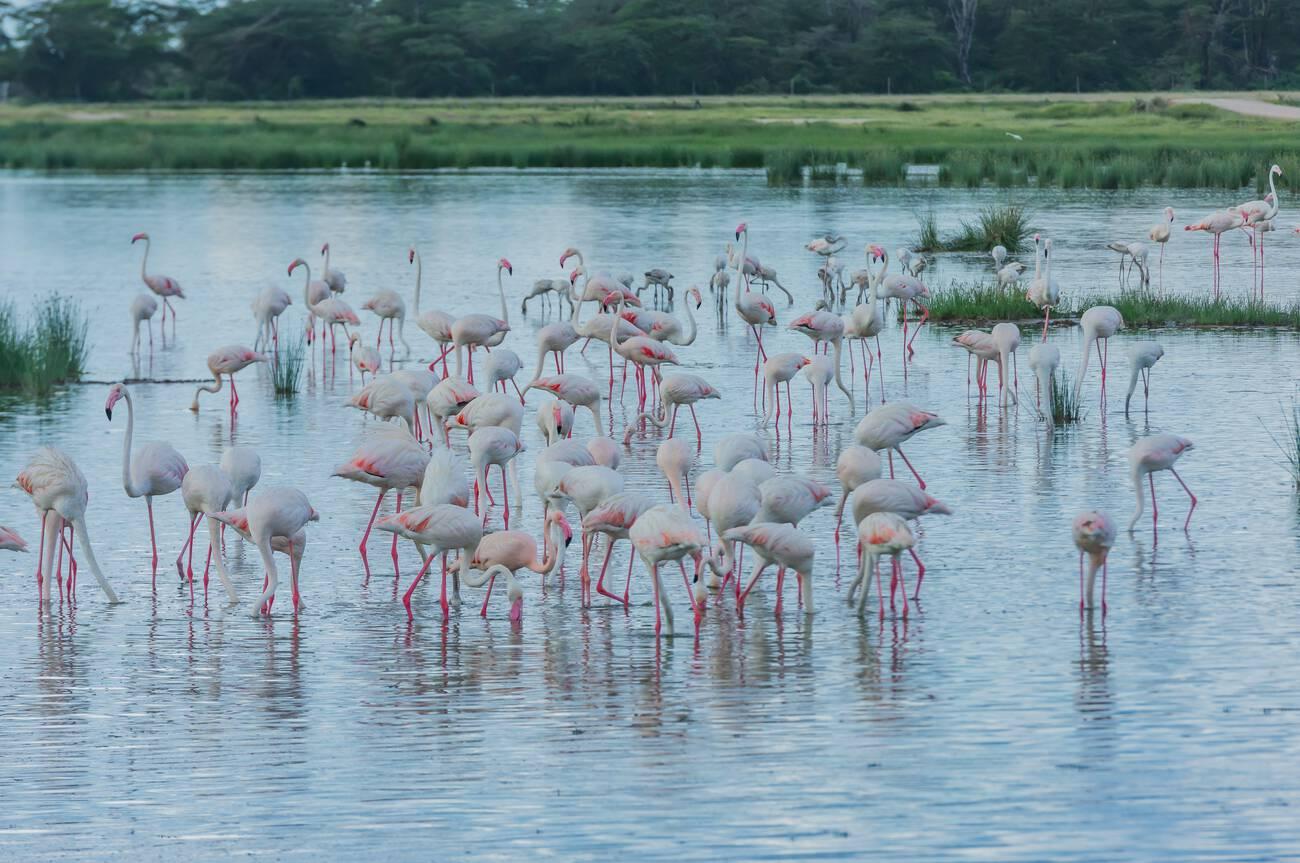
This shallow alkaline lake adds another layer to the crater ecosystem. Depending on water levels and seasonal conditions, flamingos and other waterbirds may gather along its shores.

Gorigor Swamp

Gorigor Swamp is an important permanent wetland that remains productive even during drier periods. Hippos are commonly associated with the area, while elephants, buffalo and birdlife are also drawn to the water and surrounding vegetation.

The Crater Rim

The crater rim sits at a much higher elevation than the floor and supports cooler, greener montane vegetation. Mist, forest and dramatic viewpoints create a striking contrast with the open grasslands below and are a major part of the Ngorongoro experience.

Best Time to Visit Ngorongoro Crater

Ngorongoro offers rewarding wildlife viewing throughout the year because many animals remain within the crater ecosystem rather than migrating long distances.

June to October generally brings drier conditions, shorter grass and excellent visibility across the crater floor.

November to May brings greener scenery, dramatic skies and strong birdlife, while wildlife viewing remains very good.

For photography and overall atmosphere, both seasons have their advantages. The better choice depends on whether you prefer drier game-viewing conditions or greener landscapes.

Safari Activities in Ngorongoro Crater

Crater Game Drives

The main experience is a guided game drive across the crater floor, exploring grasslands, wetlands, woodland and seasonal lake areas in search of wildlife.

A full-day crater experience gives more time to move between habitats, observe animal behaviour and enjoy the landscape without rushing from one sighting to the next.

Wildlife Photography

Ngorongoro is exceptionally rewarding for photography because wildlife, open scenery and dramatic crater walls are all concentrated within one relatively compact area. Early morning light, mist along the rim and changing conditions across the crater floor can create particularly striking scenes.

Birdwatching

The crater supports a wide variety of birdlife, including raptors, waterbirds, grassland species and, depending on conditions, flamingos around Lake Magadi.

Scenic Viewing

The experience begins before reaching the crater floor. Viewpoints along the rim offer wide panoramas across the caldera, while the descent itself reveals the scale and structure of the landscape.


Why Visit Ngorongoro Crater?

Ngorongoro Crater brings together exceptional wildlife viewing, dramatic scenery and fascinating geological history within one remarkably compact landscape.

A single crater descent can take you through open grasslands, wetlands, woodland and lake environments, each supporting different species and offering a different style of wildlife viewing. Lions, buffalo, elephants, hippos, zebras, wildebeest and gazelles are commonly encountered, while the endangered black rhino remains one of the crater’s most sought-after sightings.

What makes Ngorongoro especially memorable is the setting. Wildlife is experienced beneath steep crater walls formed by an ancient volcanic collapse, creating a sense of scale that is completely different from the open plains of the Serengeti or Tarangire.

For first-time safari travellers and experienced Africa travellers alike, Ngorongoro adds something distinct to a northern Tanzania itinerary: strong wildlife viewing, extraordinary scenery and a landscape with a story that began millions of years ago.

OUR GALLERY
Frequently Asked Questions (FAQs)

What is Ngorongoro Crater famous for?

Ngorongoro Crater is famous for its extraordinary volcanic landscape, high concentration of resident wildlife and the chance to experience several different habitats within one compact area. The crater forms part of the UNESCO-listed Ngorongoro Conservation Area and is one of northern Tanzania’s most distinctive safari destinations.


Which animals can you see in Ngorongoro Crater?

Wildlife commonly encountered includes lions, buffalo, elephants, hippos, wildebeest, zebras, gazelles, spotted hyenas and a wide variety of birdlife. The crater is also one of the better places in northern Tanzania to have the possibility of seeing the endangered black rhino, although sightings are never guaranteed.


When is the best time to visit Ngorongoro Crater?

Ngorongoro offers strong wildlife viewing throughout the year. June to October generally brings drier conditions and shorter vegetation, while November to May offers greener scenery, dramatic skies and excellent birdlife. The best time depends more on the style of experience you prefer than on wildlife availability.


How long should I spend at Ngorongoro Crater?

A full-day crater safari is ideal for exploring the different habitats at a relaxed pace. Most travellers stay one or two nights in the Ngorongoro or Karatu area so they can descend into the crater early and combine it naturally with Serengeti, Lake Manyara or Tarangire.

Start Planning Your Ngorongoro Safari

Tell us when you’d like to travel and how Ngorongoro fits into your wider Tanzania journey. We’ll help shape the experience around your time, interests and preferred style of travel.

Ngorongoro Conservation Area

Chat with us on WhatsApp