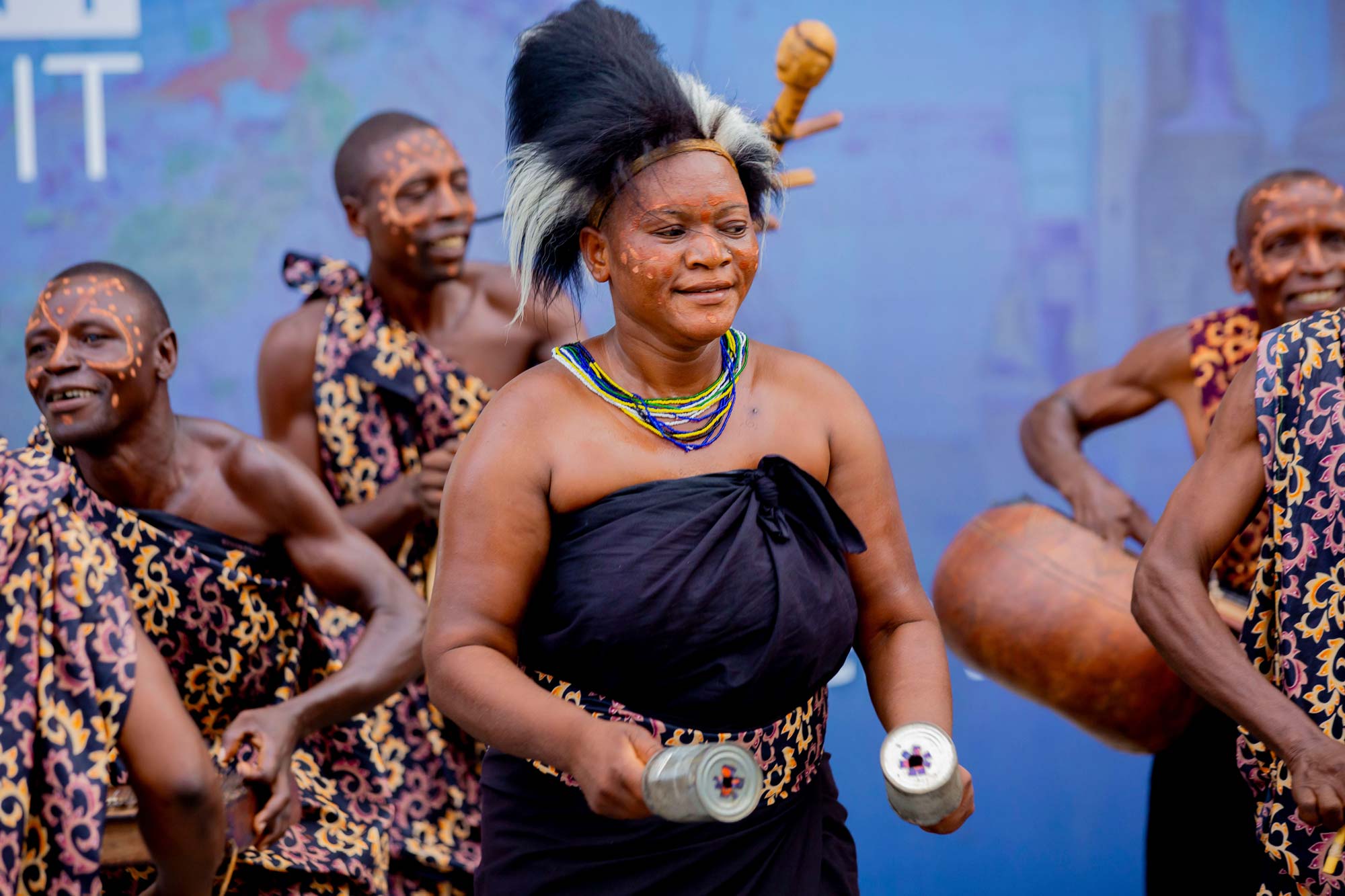
Experience Tanzania beyond the wildlife through meaningful encounters with local communities, traditions and ways of life.

Tanzania’s cultural diversity is one of the country’s greatest strengths. Beyond the national parks and mountain landscapes, travellers can spend time with local communities, learn about traditional skills, food, farming, craft, language and everyday life.
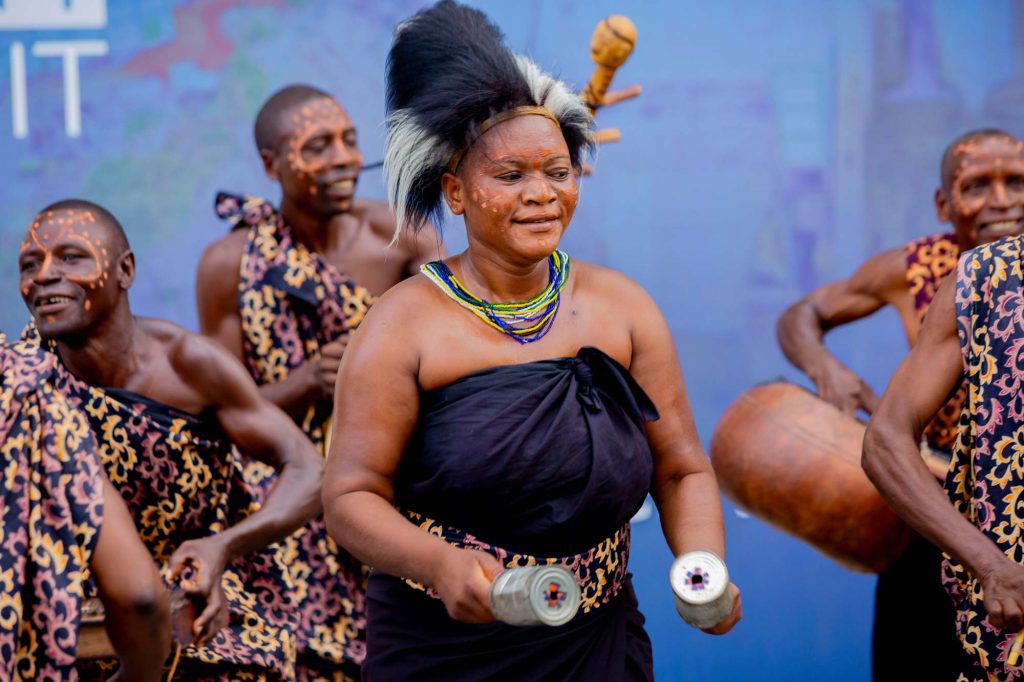
With more than 120 ethnic groups across the country, no single experience represents Tanzania as a whole. Around northern Tanzania, cultural visits may include Maasai communities, Hadzabe and Datoga experiences, Chagga traditions, coffee farming, local markets and village life. Along the coast and in Zanzibar, Swahili culture reflects centuries of African, Arab and Indian Ocean influence.
The value of a cultural tour is the chance to understand Tanzania through the people who live here, not only through its landscapes and wildlife.
A well-planned cultural experience adds depth to a Tanzania journey. It creates time for conversation, learning and interaction, whether that means visiting a local farm, meeting artisans, learning how traditional food is prepared or spending time with a community guide.
These experiences also support local livelihoods when they are arranged responsibly. Local guides, farmers, craftspeople and community initiatives can benefit directly from tourism, while visitors gain a more meaningful understanding of the places they travel through.
At Explora V, cultural visits should always be respectful, well explained and appropriate to the community being visited. The goal is not to turn everyday life into a performance, but to create genuine context and connection.

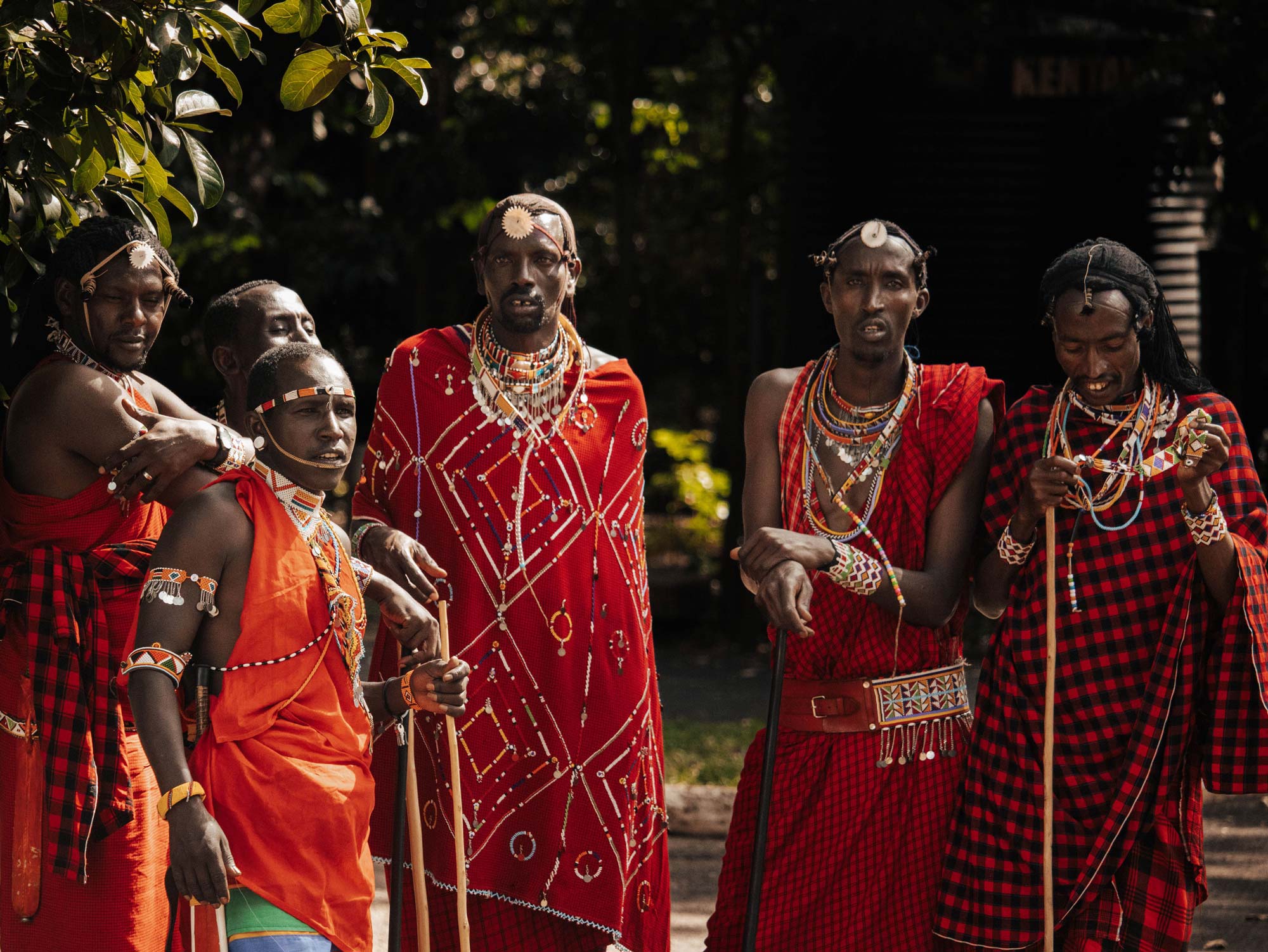
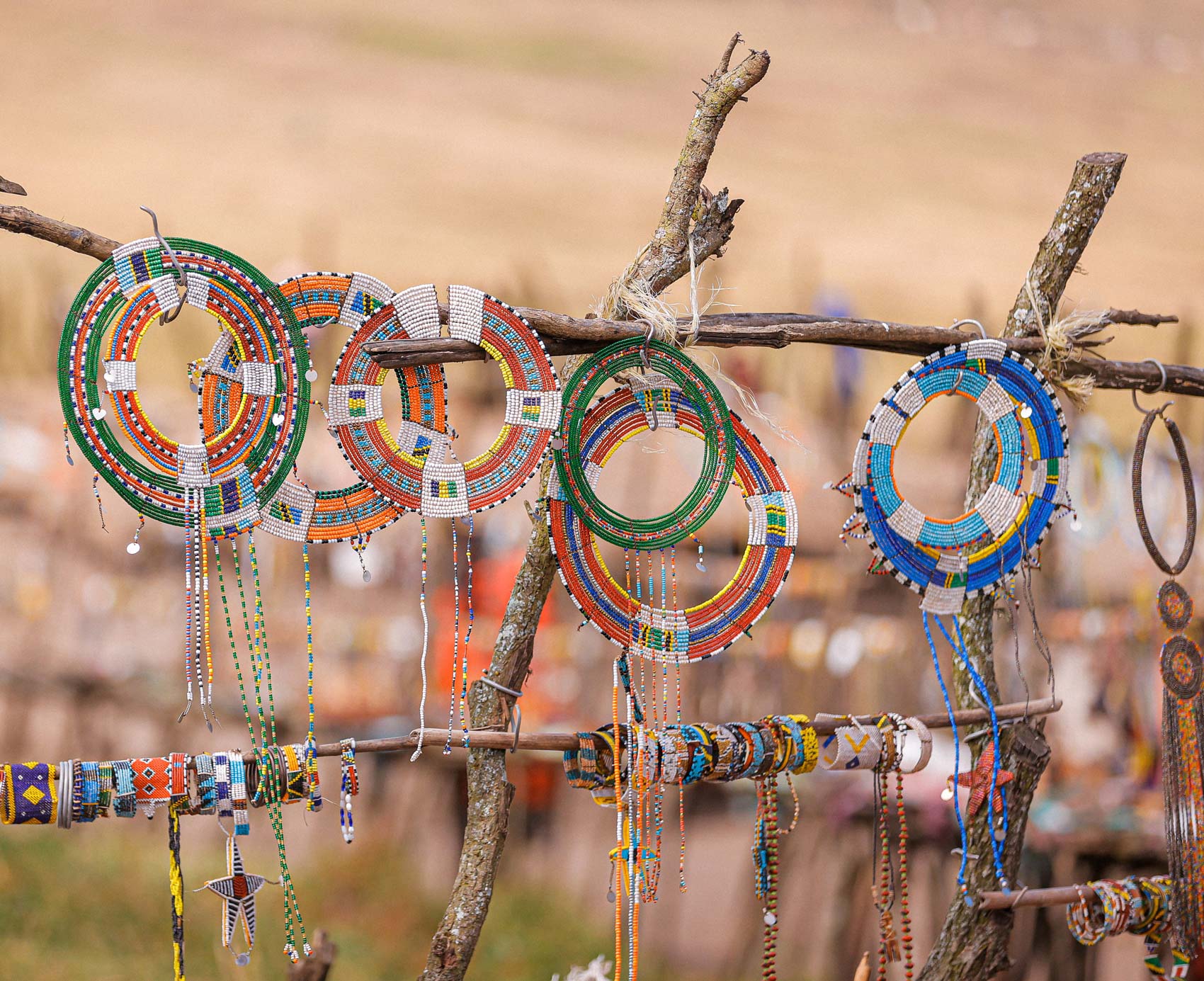
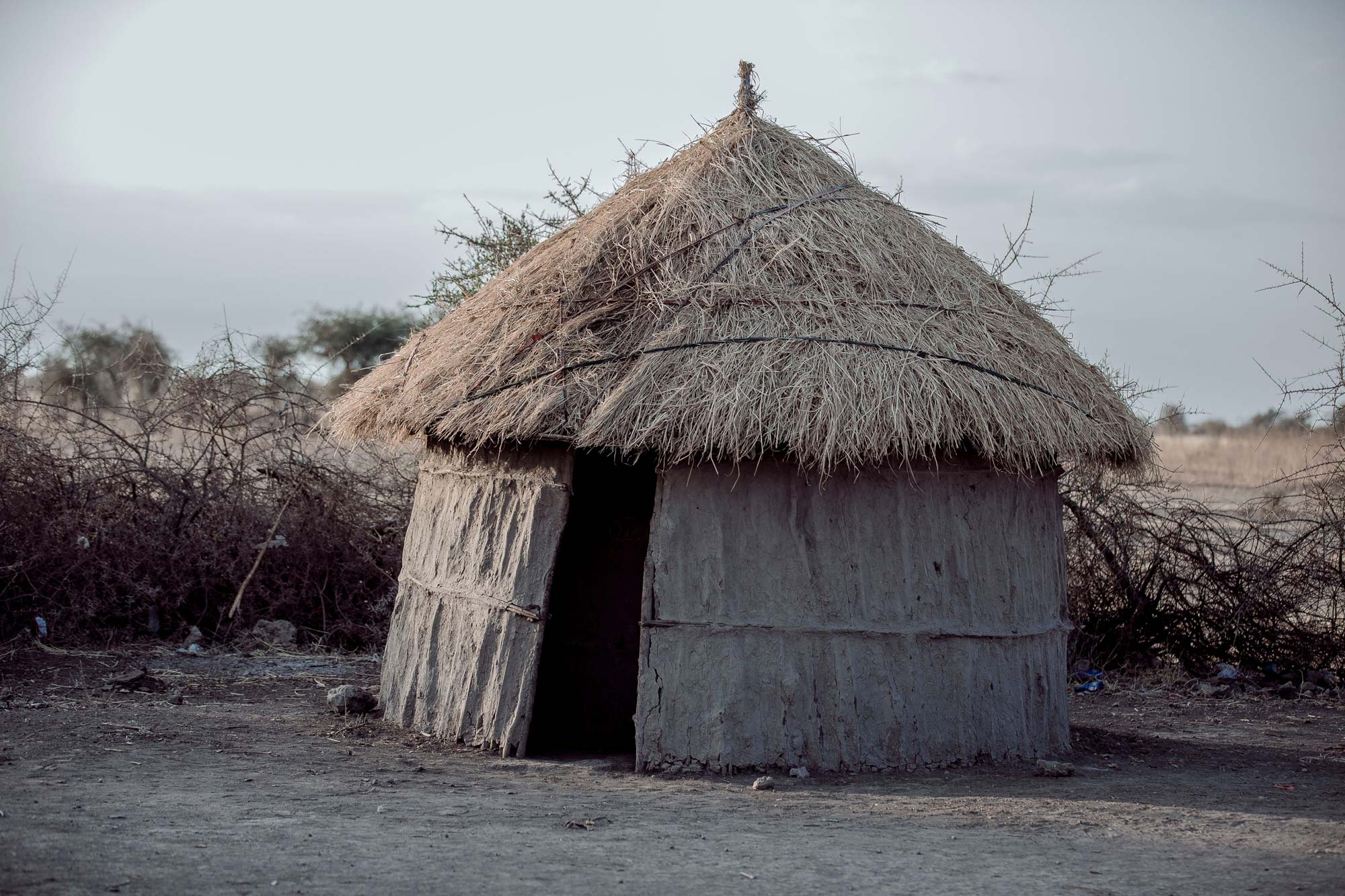
The Maasai are one of East Africa’s best-known pastoral communities, with many communities living across northern Tanzania and southern Kenya. Their cultural traditions remain closely connected to livestock, family, community, dress, beadwork and pastoral life.
A well-arranged visit offers the opportunity to spend time with community members, learn about daily life and hear directly about traditions, values and the ways Maasai communities are adapting to a changing world.
Depending on the community and the experience arranged, a visit may include time at a traditional homestead, conversations with local hosts, demonstrations of beadwork or other skills, and an introduction to aspects of Maasai social and pastoral life.
At Explora V, these visits are arranged with respect for the community, its time and its traditions, with the aim of creating a genuine exchange rather than a staged performance.

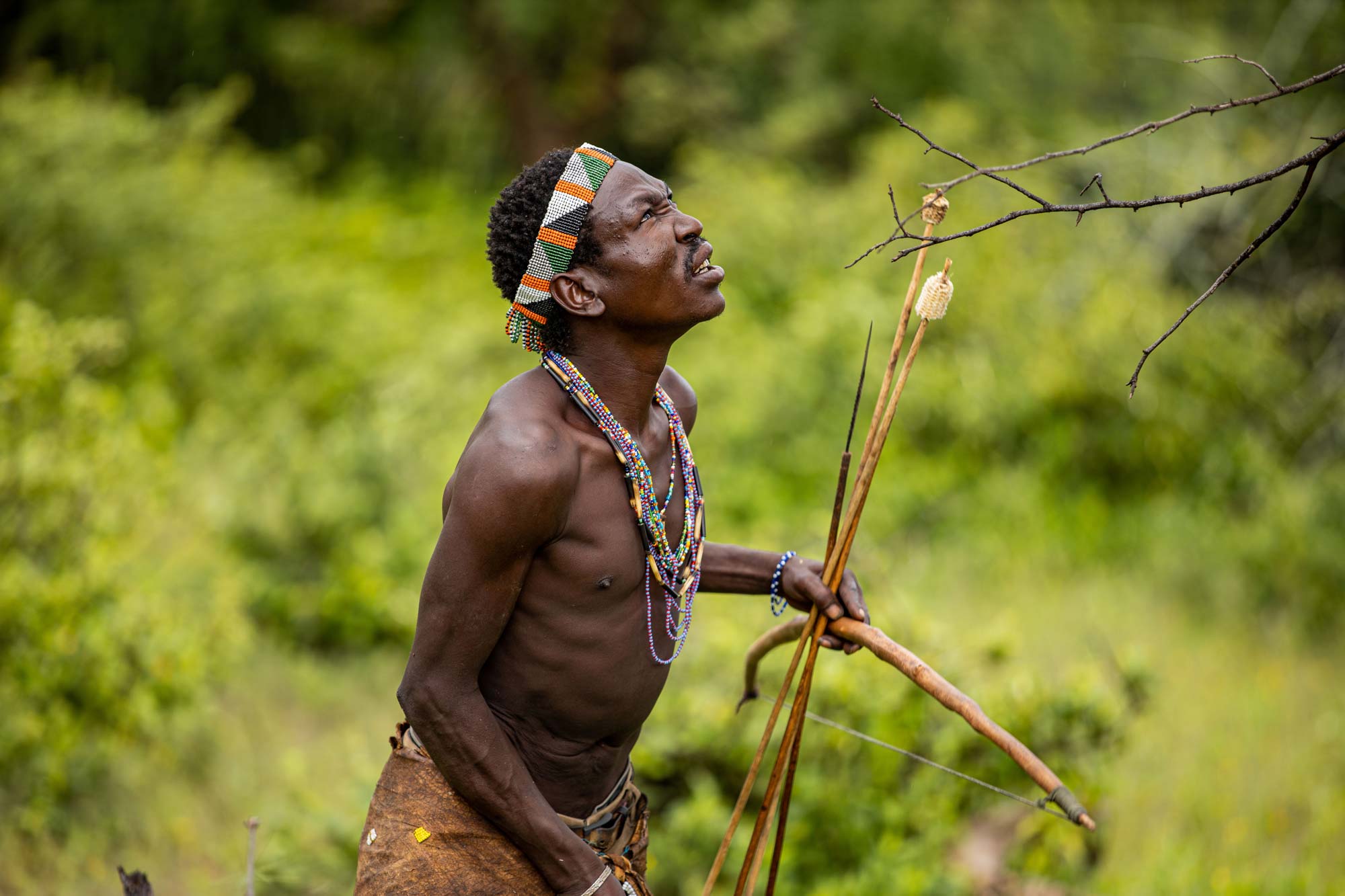
The Hadzabe are an Indigenous community living around Lake Eyasi in northern Tanzania. Their traditional way of life is closely connected to hunting, gathering, seasonal resources and deep knowledge of the surrounding environment.
A visit offers the opportunity to learn directly from community members about traditional skills, food gathering, hunting techniques, tools and the use of local plants and natural resources.
Early-morning experiences can be especially interesting because this is often when guests can observe or learn about traditional hunting practices and how the community reads the landscape.
The experience should be presented as a respectful cultural exchange rather than a performance, with activities depending on the community, season and local conditions.
The Datoga are traditionally pastoralist and farming communities found in northern Tanzania, including around Lake Eyasi. They are especially known for skilled metalworking, livestock keeping and traditions that have been passed through generations.
During a community visit, guests may meet local artisans and learn how metal tools, jewellery and household items are made using traditional techniques. The experience can also offer insight into farming, livestock, family life and how Datoga communities adapt to the environment around Lake Eyasi.
A Datoga visit pairs naturally with a Hadzabe experience, giving travellers a broader understanding of the different communities and ways of life found in the Lake Eyasi region.
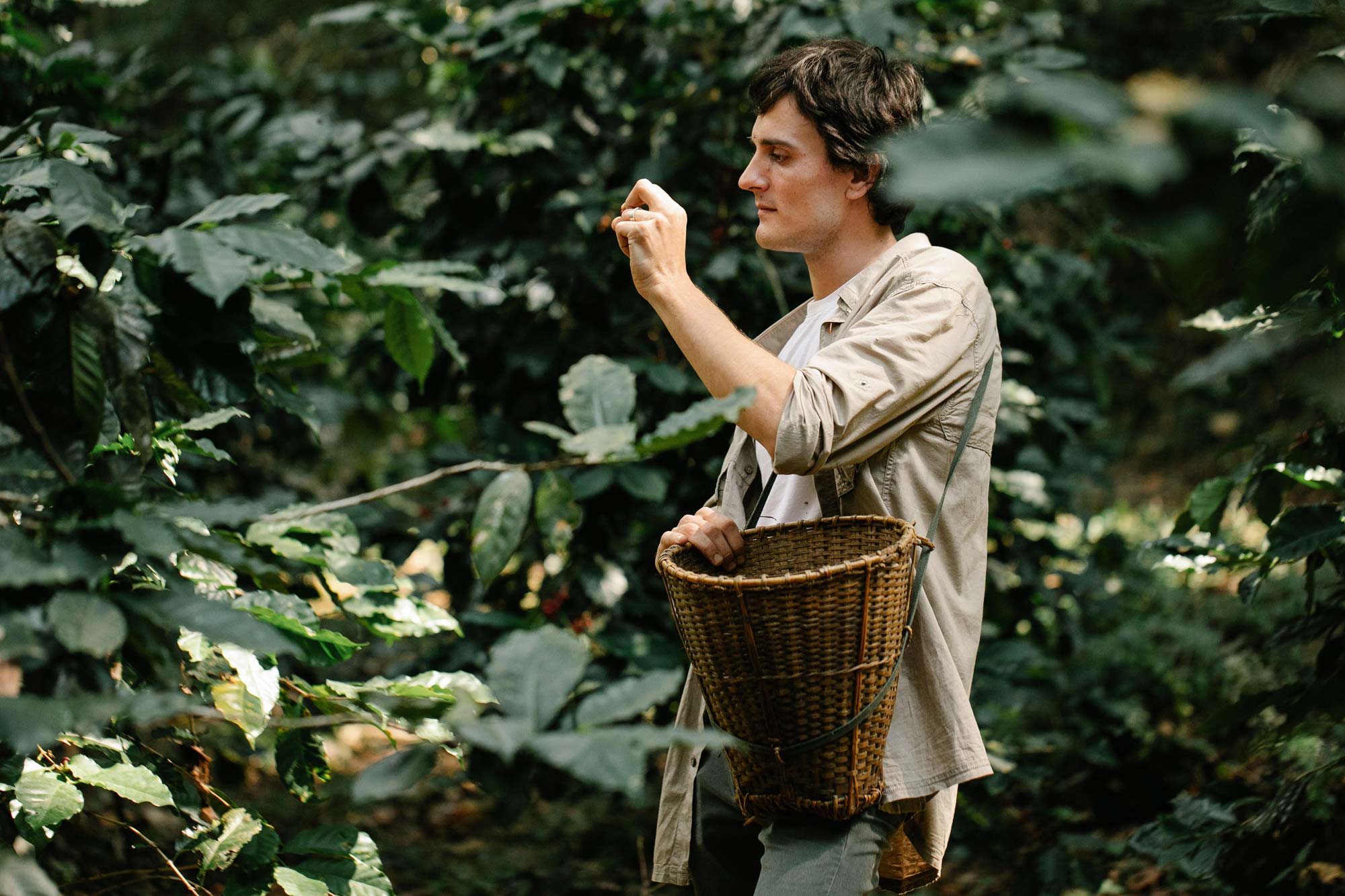
Coffee experiences offer a closer look at one of northern Tanzania’s most important crops and the communities behind it. Guests can learn how coffee is grown, harvested, processed, roasted and prepared, often directly with local farmers.
The experience is about more than the final cup. It offers insight into farming traditions, family livelihoods and the relationship between fertile highland landscapes and coffee production.
Depending on the location, the visit may also include a walk through local farms, seasonal crops and village surroundings, creating a relaxed and personal cultural experience.
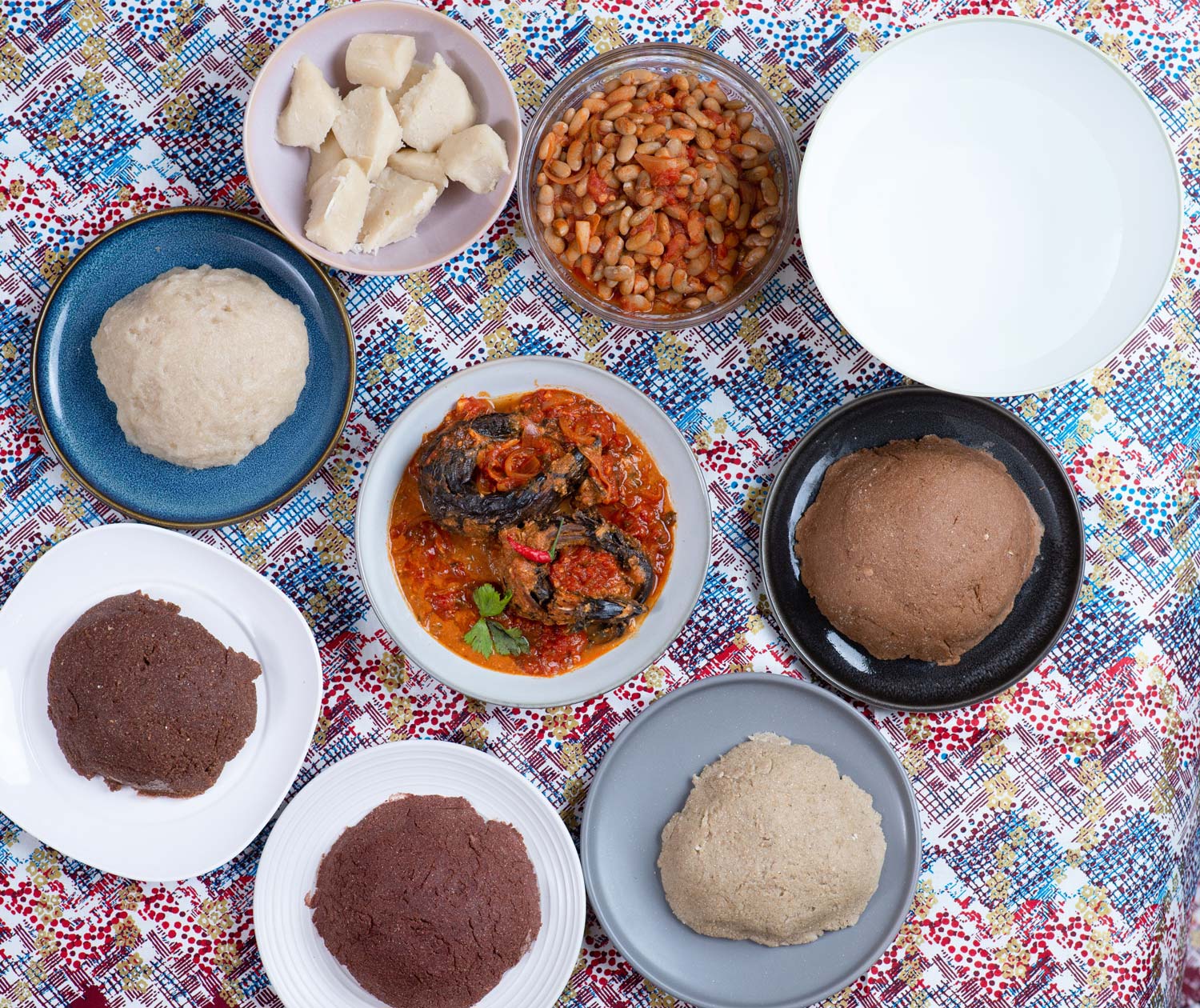
Food is an important part of Tanzanian culture, and cultural experiences can offer a closer look at the ingredients, cooking methods and dishes that vary from one region to another.
Depending on the location, guests may encounter staples such as ugali, rice, beans, bananas, vegetables, grilled meats, chapati and local stews. Along the coast and in Zanzibar, Swahili cuisine adds coconut, seafood and a stronger use of spices.
A food experience can go beyond simply tasting a meal. It may include visiting a local market, learning about ingredients, helping with preparation or sharing food with local hosts. These moments often provide a simple and personal way to understand everyday life and hospitality in Tanzania.
Village walks offer a slower, more personal way to experience everyday life in Tanzania. With a local guide, guests may pass through farming areas, markets, workshops and residential communities while learning about food, agriculture, small businesses and local traditions.
Arusha is a convenient base for cultural experiences before or after safari. Depending on the itinerary, guests can combine village visits, coffee experiences, local food, markets and community-based activities with nearby safari destinations.
Cultural experiences can be enjoyed throughout the year. The best timing depends more on the activity, location and local conditions than on one specific season.
What is a Tanzania cultural tour?
A Tanzania cultural tour gives travellers the opportunity to learn about local traditions, food, crafts, farming, history and everyday life through visits arranged with communities across the country.
Which communities can I visit on a Tanzania cultural tour?
Depending on the itinerary, experiences may include Maasai communities, Hadzabe and Datoga around Lake Eyasi, Chagga communities near Kilimanjaro, and local cultural experiences around Arusha and other regions.
Where are the best places for cultural tours in Tanzania?
Northern Tanzania offers some of the most accessible cultural experiences, especially around Arusha, Lake Eyasi and the Kilimanjaro region. Zanzibar also offers a very different cultural experience shaped by Swahili heritage, coastal traditions and Indian Ocean history.
Can I combine a cultural tour with a Tanzania safari?
Yes. Cultural experiences fit very naturally into safari itineraries and can be added before, during or after visits to places such as Tarangire, Ngorongoro and the Serengeti.
What should I expect during a Tanzania cultural tour?
Activities depend on the community and location, but may include village walks, conversations with local hosts, traditional cooking, farming, coffee experiences, crafts or other community-led activities. Your guide will explain what to expect and any local customs to respect before the visit.

Tell us what interests you most and we’ll help shape a cultural experience that fits naturally into your Tanzania journey.