A compact and beautifully varied park beneath Mount Meru, combining forest, open grassland, crater scenery and wildlife in an easy day trip from Arusha.
Location
Near Arusha, Tanzania
Experience
Game Drive, Walking Safari & Canoeing
Best Time
Year-Round
Duration
Half Day or Full Day
Why Visit Arusha National Park
MOUNT MERU VIEWS
Enjoy striking views of Mount Meru, Tanzania’s second-highest mountain, rising dramatically above the park.
CANOE SAFARIS
Paddle across the Momella Lakes for a quieter perspective of the park, with opportunities to enjoy birdlife, scenery and wildlife around the water.
WALKING SAFARIS
Explore selected areas of the park on foot with an experienced park ranger, adding a completely different dimension to the safari experience.
BLACK-AND-WHITE COLOBUS MONKEYS
Look for one of Arusha National Park’s signature species in the montane forest, where black-and-white colobus monkeys are among the park’s most memorable sightings.
Arusha National Park Overview
Arusha National Park is one of the easiest wildlife destinations to reach from the city and a great choice for a relaxed day trip before or after a longer safari.
Set beneath Mount Meru, the park combines montane forest, open grassland, crater scenery, lakes and wetlands within a relatively compact area. That variety gives the park a very different feel from the wide-open landscapes of Serengeti or Tarangire.
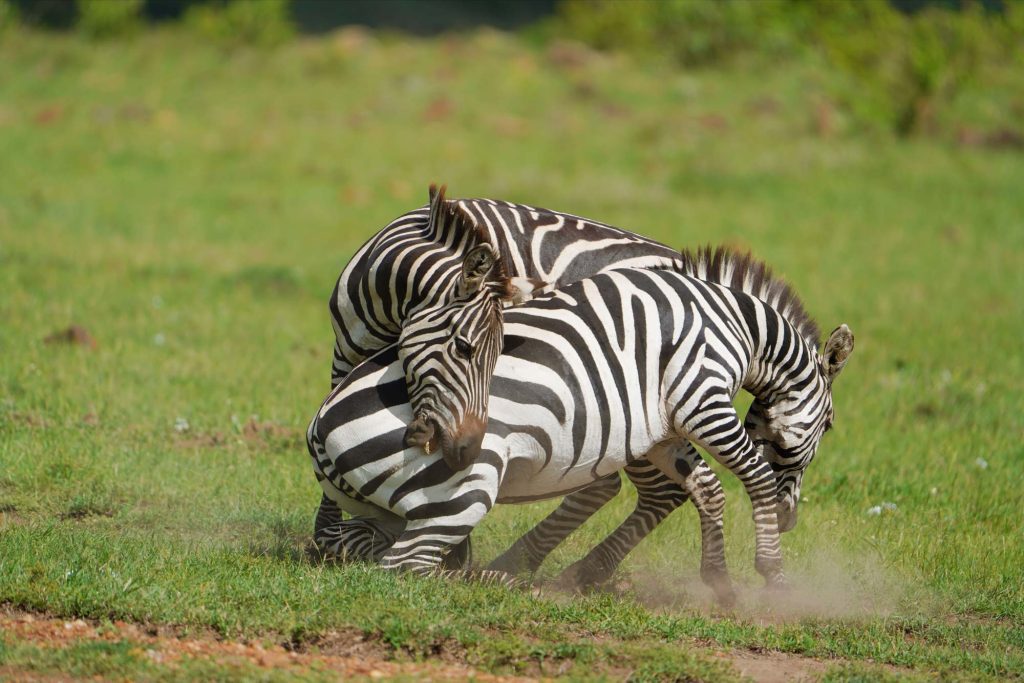
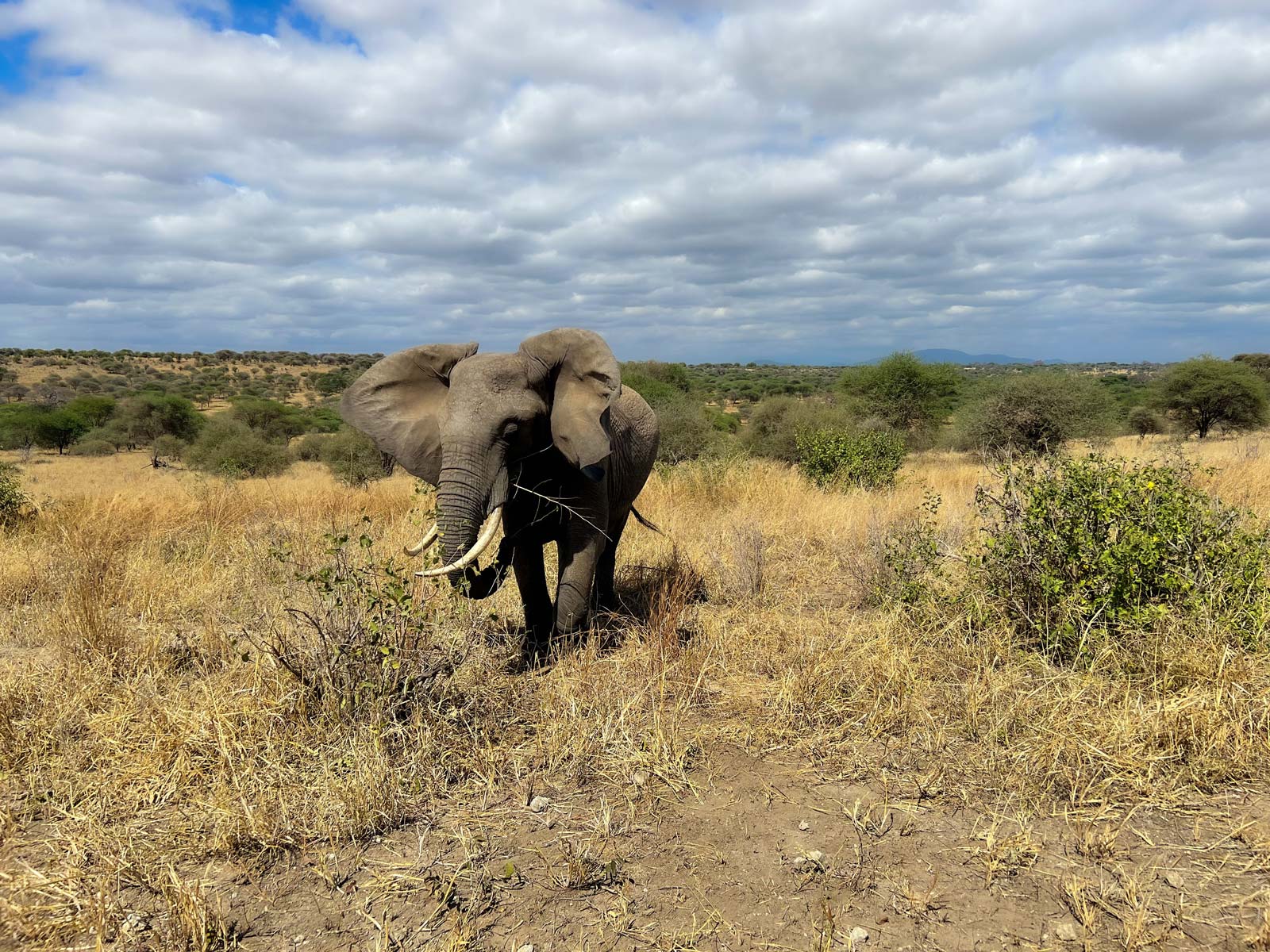
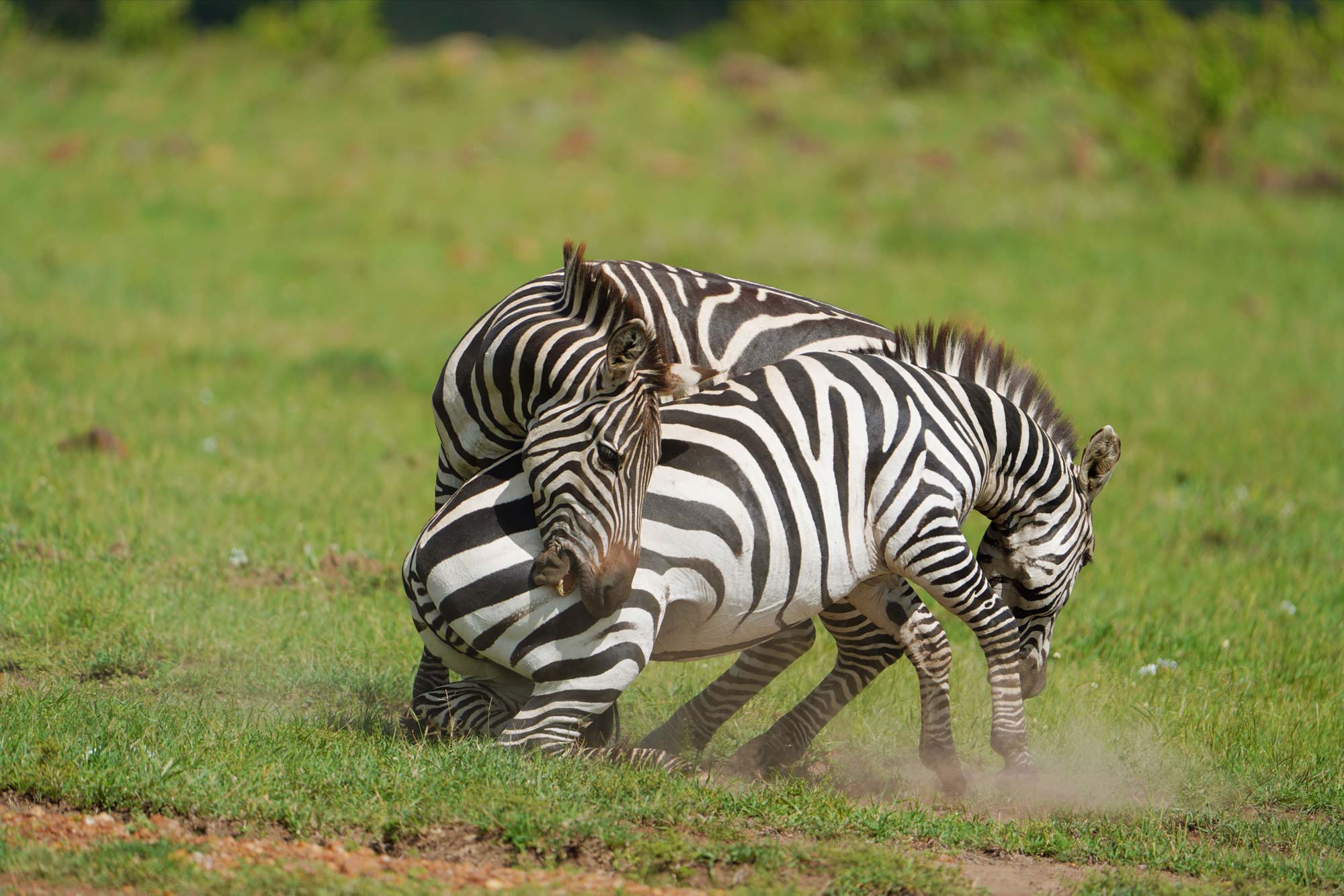
Wildlife commonly seen includes giraffes, buffalo, zebra, warthogs, antelope and several monkey species, while the forest is particularly well known for black-and-white colobus monkeys. The Momella Lakes also attract a wide variety of birdlife.
Mount Meru, rising to 4,566 metres, creates a dramatic backdrop throughout much of the park and helps shape the changing habitats found across the area.
Location of the Park
Arusha National Park lies just outside Arusha in northern Tanzania, making it one of the most convenient parks to include at the beginning or end of a safari.
Depending on your starting point, the drive from central Arusha is usually around 30–45 minutes, while access from Kilimanjaro International Airport takes longer depending on traffic and your exact route.
Its location makes the park particularly useful for travellers with limited time. A full-day visit gives you enough time for a game drive and scenic exploration, while walking safaris or canoeing can be added depending on the experience you choose.
History of Arusha National Park
Arusha National Park has a long conservation history centred around Mount Meru and the surrounding forests, lakes and grasslands.
The protected area developed over time to safeguard the mountain’s ecosystems, wildlife habitats and important water sources that support both animals and communities around the region.
Today, the park forms part of northern Tanzania’s wider conservation landscape and offers something slightly different from the country’s better-known safari parks. Its proximity to Arusha makes it easy to access, while walking safaris, canoeing and game drives give visitors several ways to experience the environment.
What makes the park special is not its size, but the variety packed into such a compact area — forest, volcanic scenery, wetlands, open grassland and the slopes of Mount Meru all within one protected landscape.
Wildlife of Arusha National Park
Large Mammal
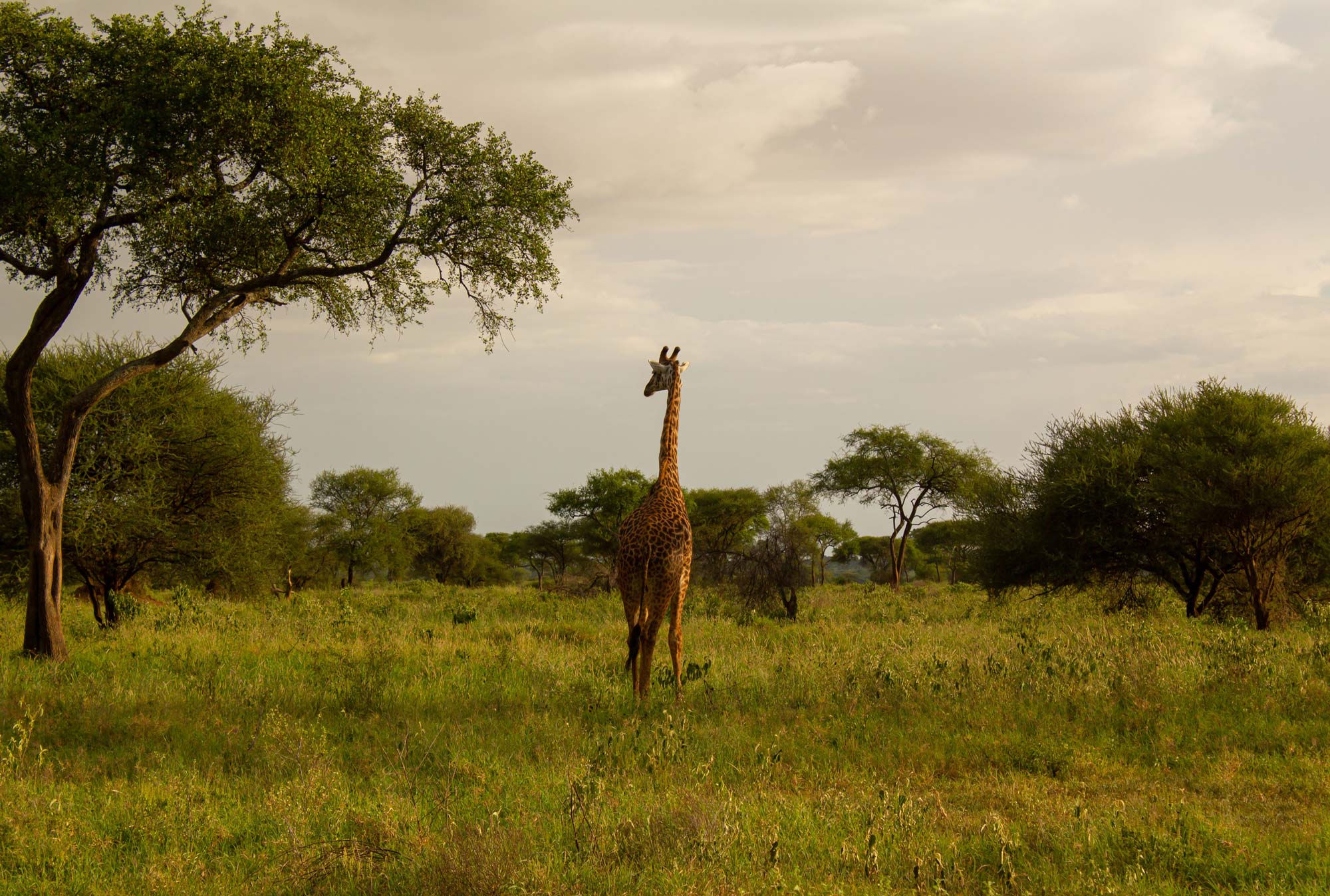
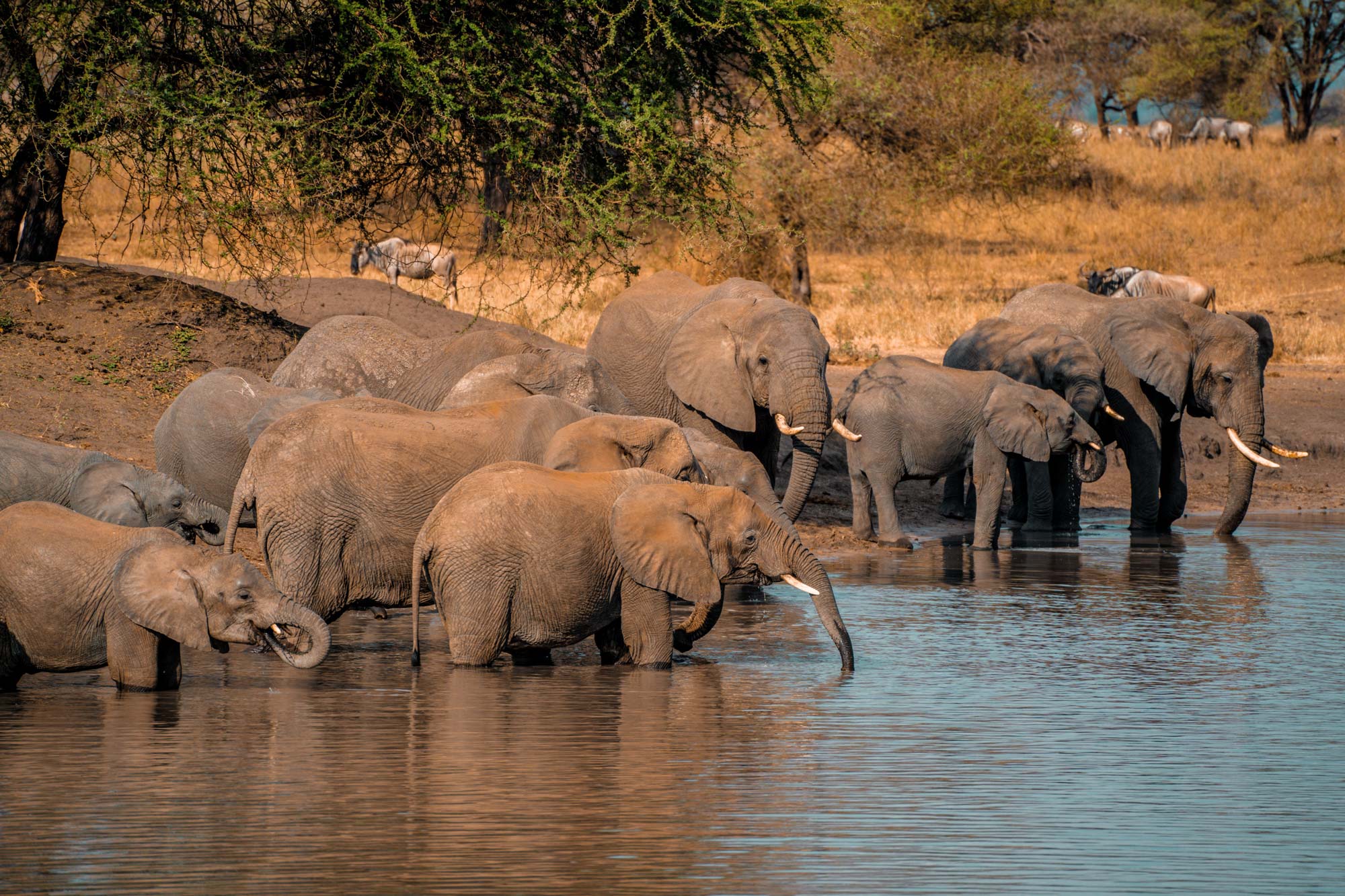
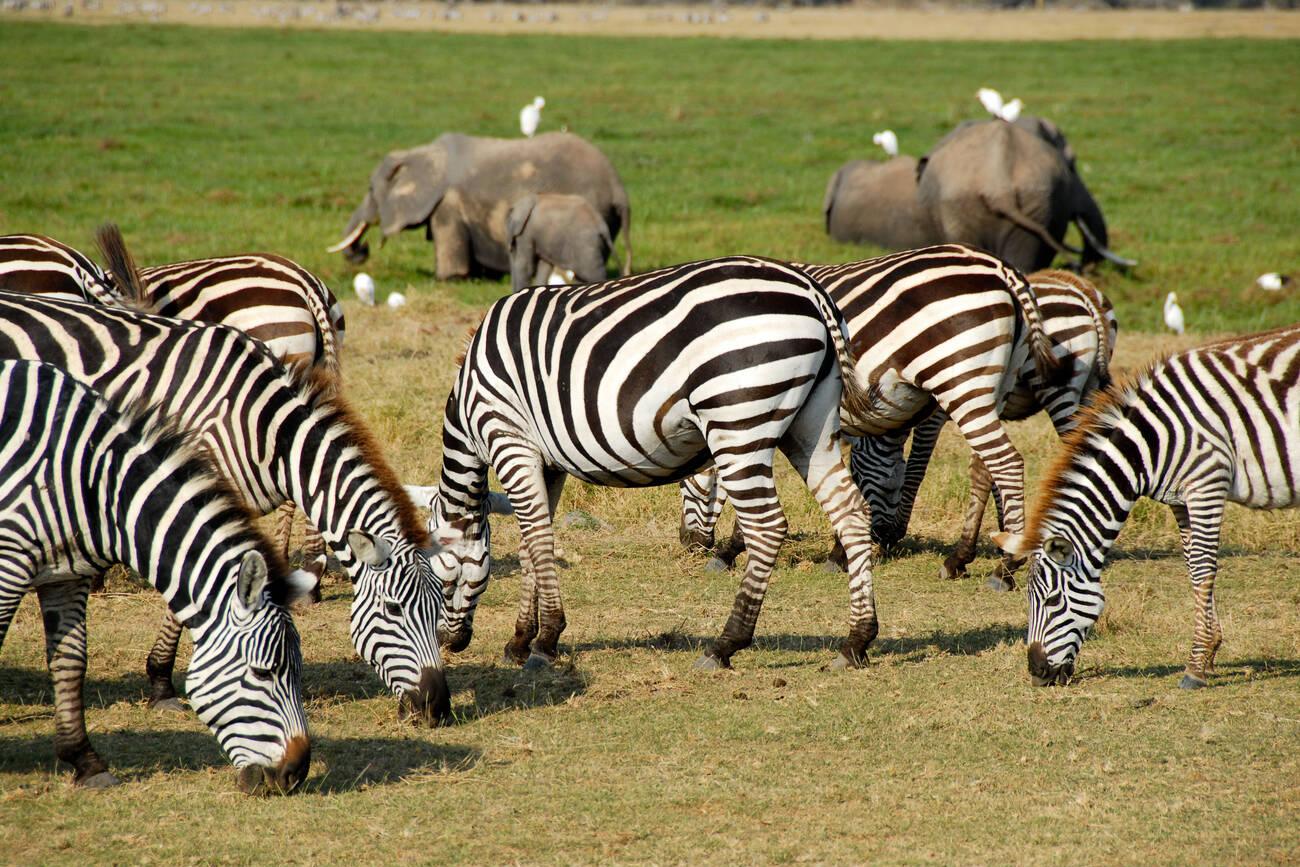
Giraffes are among the park’s most noticeable animals and are often seen feeding in woodland or moving across open grassland. Buffalo, zebra and warthogs are also regularly encountered, especially in the more open areas of the park.
Antelope & Herbivores
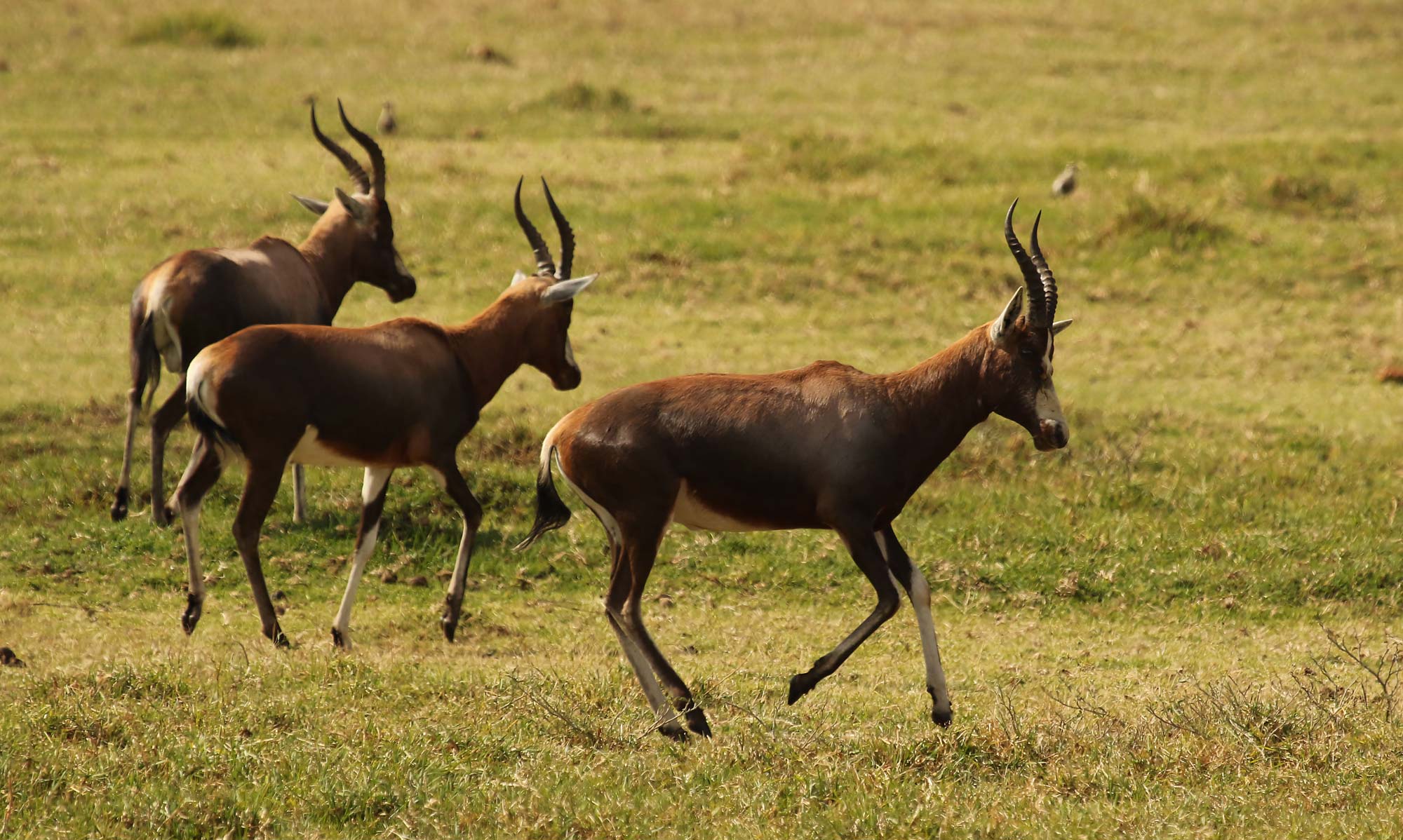
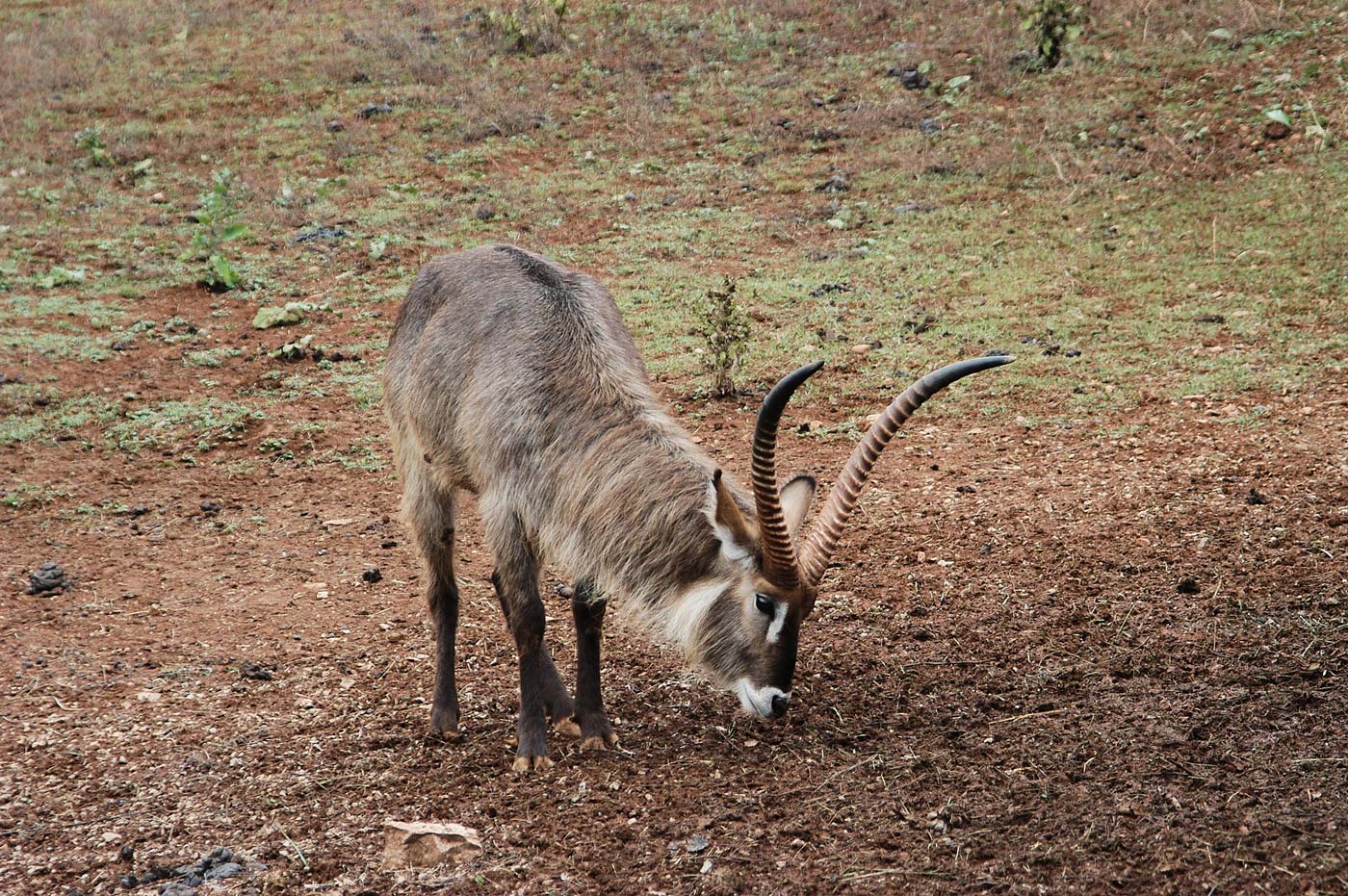
The park supports several antelope species, including bushbuck, waterbuck, duiker and eland. Different species favour different habitats, from forest edges and wetlands to open grassland.
Primates
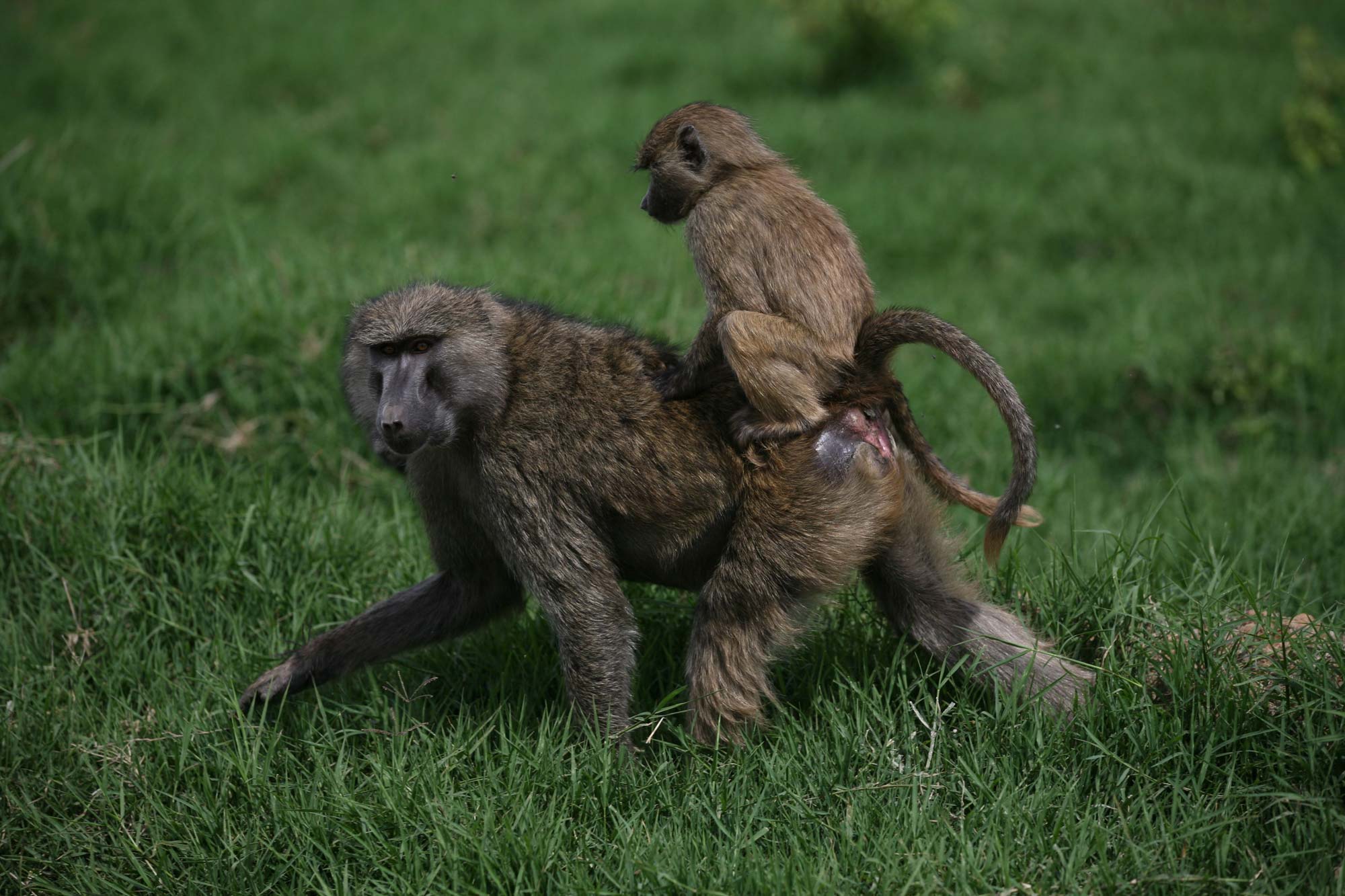
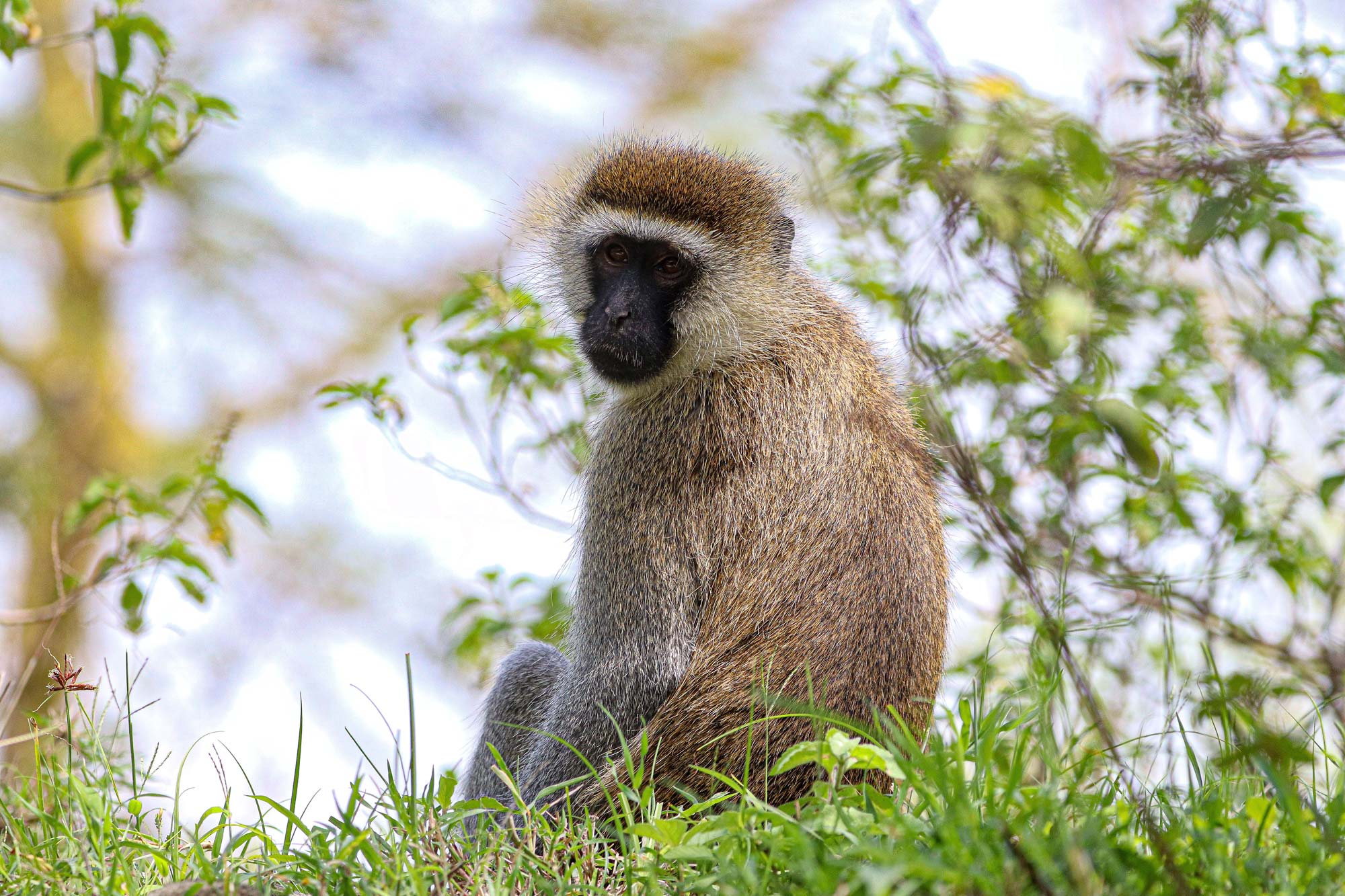
Primates are one of Arusha National Park’s highlights. Black-and-white colobus monkeys are especially associated with the montane forest, while blue monkeys are also commonly seen moving through the trees.
Predators
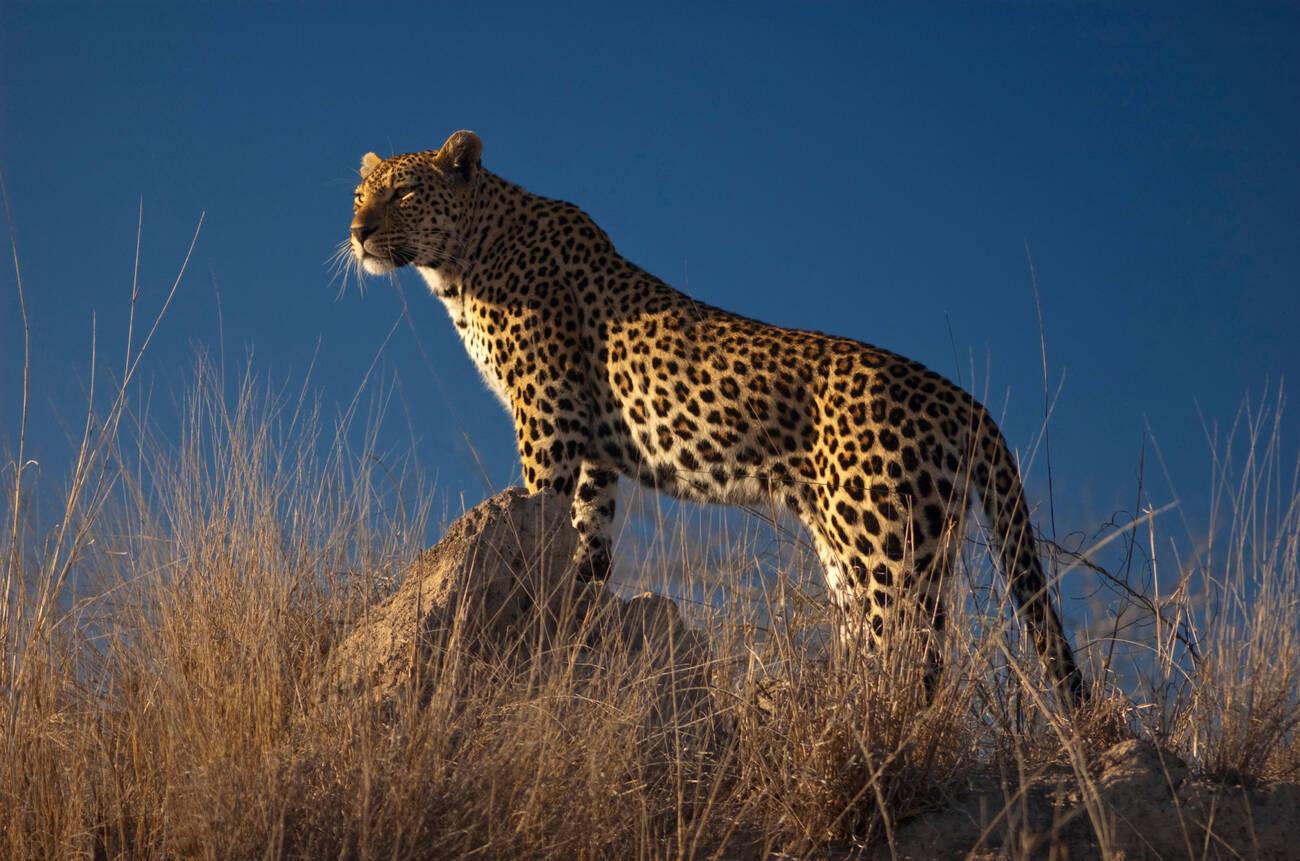
Predators are less prominent here than in some of Tanzania’s larger safari parks. Leopards are present but are secretive and sightings are uncommon, so Arusha National Park is better appreciated for its scenery, forest wildlife, giraffes, buffalo, primates and birdlife rather than for big-cat viewing.
Birdlife
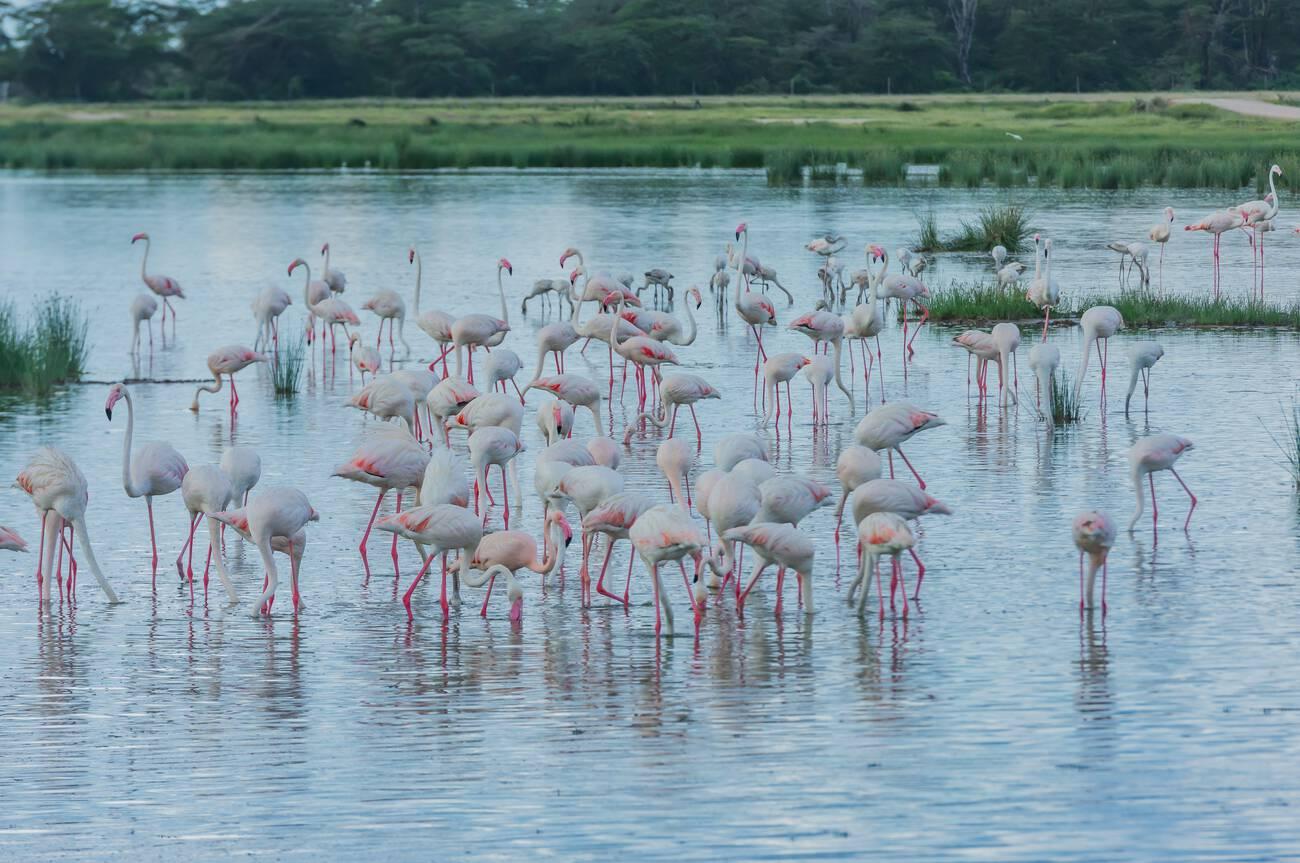
The Momella Lakes, forest and grasslands support a wide range of birdlife. Depending on the season and water conditions, guests may see waterbirds, raptors and many colourful species throughout the park.
Arusha National Park Landscapes
Mount Meru
Mount Meru is the defining feature of Arusha National Park. Rising to 4,566 metres, it is Tanzania’s second-highest mountain and creates a dramatic backdrop across much of the park.
Its slopes support several vegetation zones, from lower grassland and woodland to montane forest and higher alpine environments. The mountain also helps shape the park’s cooler, greener character and supports important water sources and wildlife habitats.
Momella Lakes
The Momella Lakes are a series of shallow alkaline lakes scattered across the park.
Their colours and water levels can change with the seasons, creating beautiful scenery and important habitat for birdlife and other wildlife. They are also one of the park’s most distinctive areas for canoeing and photography.
Montane Forest
The lower slopes of Mount Meru are covered in dense montane forest, with tall trees, climbing plants and shaded trails.
This is one of the best areas to look for black-and-white colobus monkeys, blue monkeys and forest birdlife. The cooler environment feels completely different from the open grasslands elsewhere in the park.
Ngurdoto Crater
Ngurdoto Crater is one of Arusha National Park’s most striking geological features.
Surrounded by steep forested walls, the crater floor contains grassland and wetland habitats that support buffalo, warthogs, antelope and other wildlife.
Visitors normally experience the crater from designated viewpoints, where the elevated perspective gives a clear sense of its scale and shape.
Best Time to Visit Arusha National Park
Dry Season: June to October
The dry season is one of the easiest times for wildlife viewing in Arusha National Park. Vegetation is generally thinner, animals are easier to spot in open areas, and conditions are usually good for game drives, walking safaris and photography.
Clearer skies can also provide excellent views of Mount Meru.
Early mornings and late afternoons are often the most comfortable times for wildlife activities, with cooler temperatures and more animal movement.
Green Season: November to May
The green season transforms the park into a lush, vibrant landscape with fresh vegetation, rich birdlife and fewer visitors during some periods.
This is also a rewarding time for photography, especially when the forest, lakes and grasslands are at their greenest.
Migratory bird species can add even more variety between roughly November and March.
April and May usually bring heavier rainfall, so some roads and walking trails may be wetter and conditions can change more quickly.
Safari Activities in Arusha National Park
Game Drive
A private game drive is the easiest way to explore the park’s varied landscapes in one day.
Your guide takes you through forest, grassland, woodland and the Momella Lakes area, with opportunities to look for giraffes, buffalo, zebra, warthogs, antelope, monkeys and birdlife along the way.
Because the park is compact, the scenery changes quickly and the drive feels varied without spending long hours on the road.
Walking Safaris
Arusha National Park is one of the best places in northern Tanzania to add a guided walking safari.
Walking through selected areas of the park gives you a closer connection to the landscape, with more time to notice animal tracks, plants, insects, birds and smaller details that are easy to miss from a vehicle.
Walks are conducted on approved routes with a trained guide and armed park ranger.
Canoeing
Canoeing on the Momella Lakes offers a quiet and scenic way to experience the park from the water.
From the canoe, you can enjoy views of Mount Meru, surrounding landscapes and birdlife around the lakes while seeing the park from a completely different perspective.
Canoeing is subject to lake conditions, weather and park availability, so it should be confirmed in advance.
Birdwatching
Arusha National Park is particularly rewarding for birdwatching because of its mix of forest, wetlands, lakes and open grassland.
The Momella Lakes attract waterbirds, while the forest and woodland support a wide variety of other species.
For guests with a strong interest in birds, extra time can be built into the day to slow down and focus on identification and photography.
Wildlife Photography
The combination of Mount Meru, forest, lakes, open grassland and wildlife makes Arusha National Park a strong photography destination.
The park works especially well for guests who enjoy landscape photography, giraffes, monkeys, birdlife and quieter wildlife scenes rather than only focusing on big cats.
Accommodation Around Arusha National Park
Guests visiting Arusha National Park can stay either close to the park or in Arusha, depending on the wider itinerary and preferred style of travel.
Options range from comfortable lodges and boutique properties to more refined safari stays, with several good choices positioned between Arusha and the park.
Staying closer to the park can reduce transfer time and make an early start easier, while staying in Arusha works well for travellers combining the visit with airport transfers, city experiences or a longer northern Tanzania safari.
For guests continuing to Mount Meru, Tarangire, Ngorongoro or Serengeti, accommodation can be selected to keep the overall journey smooth and practical.
Why Visit Arusha National Park?
Arusha National Park offers a very different safari experience from Tanzania’s larger wildlife destinations.
Its strength is variety. In a single day, you can move between forest, open grassland, crater scenery and the Momella Lakes, with Mount Meru rising above the landscape.
The park is particularly rewarding for giraffes, buffalo, primates, birdlife and scenic photography, while walking safaris and canoeing add experiences that go beyond a standard game drive.
Its location close to Arusha also makes it ideal for travellers with limited time, arrival or departure days, or anyone looking for a gentler introduction to Tanzania before continuing into the larger safari circuit.
OUR GALLERY
Frequently Asked Questions (FAQs)
What is Arusha National Park famous for?
Arusha National Park is known for its varied landscapes, Mount Meru, the Momella Lakes, montane forest, rich birdlife and strong populations of giraffes, buffalo and primates. It is also one of the best places near Arusha for combining a game drive with activities such as a guided walking safari or canoeing.
Which animals can I see in Arusha National Park?
Common sightings include giraffes, buffalo, zebra, warthogs, waterbuck, bushbuck and several antelope species. The forest is especially rewarding for black-and-white colobus monkeys and blue monkeys.
Leopards and spotted hyenas are present but sightings are much less predictable. Arusha National Park is better known for its scenery, primates, giraffes, buffalo and birdlife than for big-cat viewing.
What is the best time to visit Arusha National Park?
The park can be visited year-round.
June to October generally brings drier conditions and easier wildlife viewing, while November to May offers greener landscapes, excellent birdlife and beautiful photography conditions.
April and May can receive heavier rainfall, so walking, canoeing and road conditions may vary.
How far is Arusha National Park from Arusha?
The park is close to Arusha, making it one of the easiest national parks to include as a day trip. Depending on where you are staying and traffic conditions, the drive from central Arusha is usually around 30–45 minutes.
Is Arusha National Park worth visiting?
Yes, especially if you want a different experience from Tanzania’s larger safari parks.
Arusha National Park combines wildlife, forest, lakes, volcanic scenery and Mount Meru within a compact area. It works particularly well for arrival or departure days, shorter stays, walking safaris, canoeing or as a relaxed introduction before continuing to Tarangire, Ngorongoro or Serengeti.
Start Planning Your Journey
Tell us when you’d like to travel and what kind of experience you have in mind. We’ll help shape the route, accommodation and pace around you.