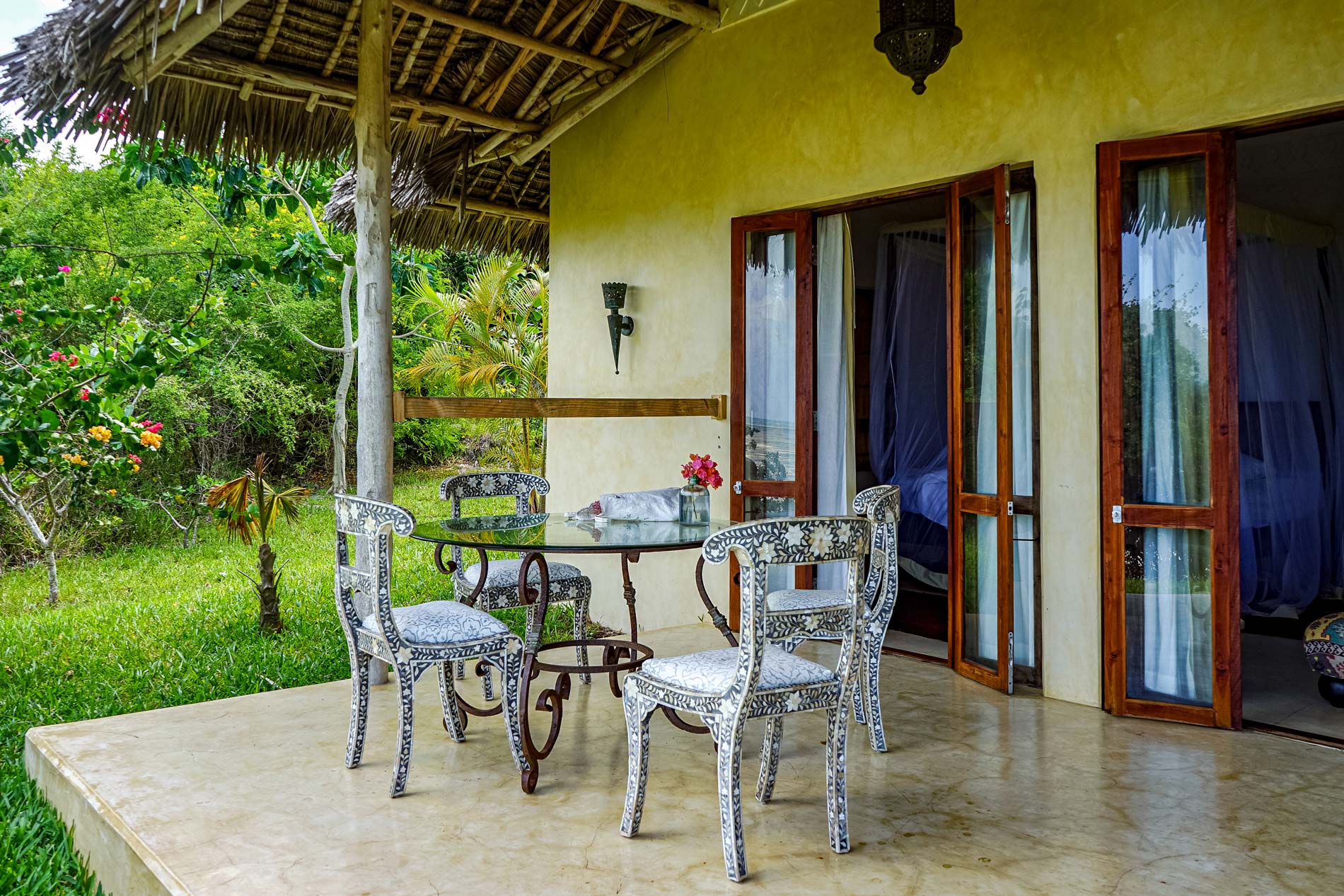
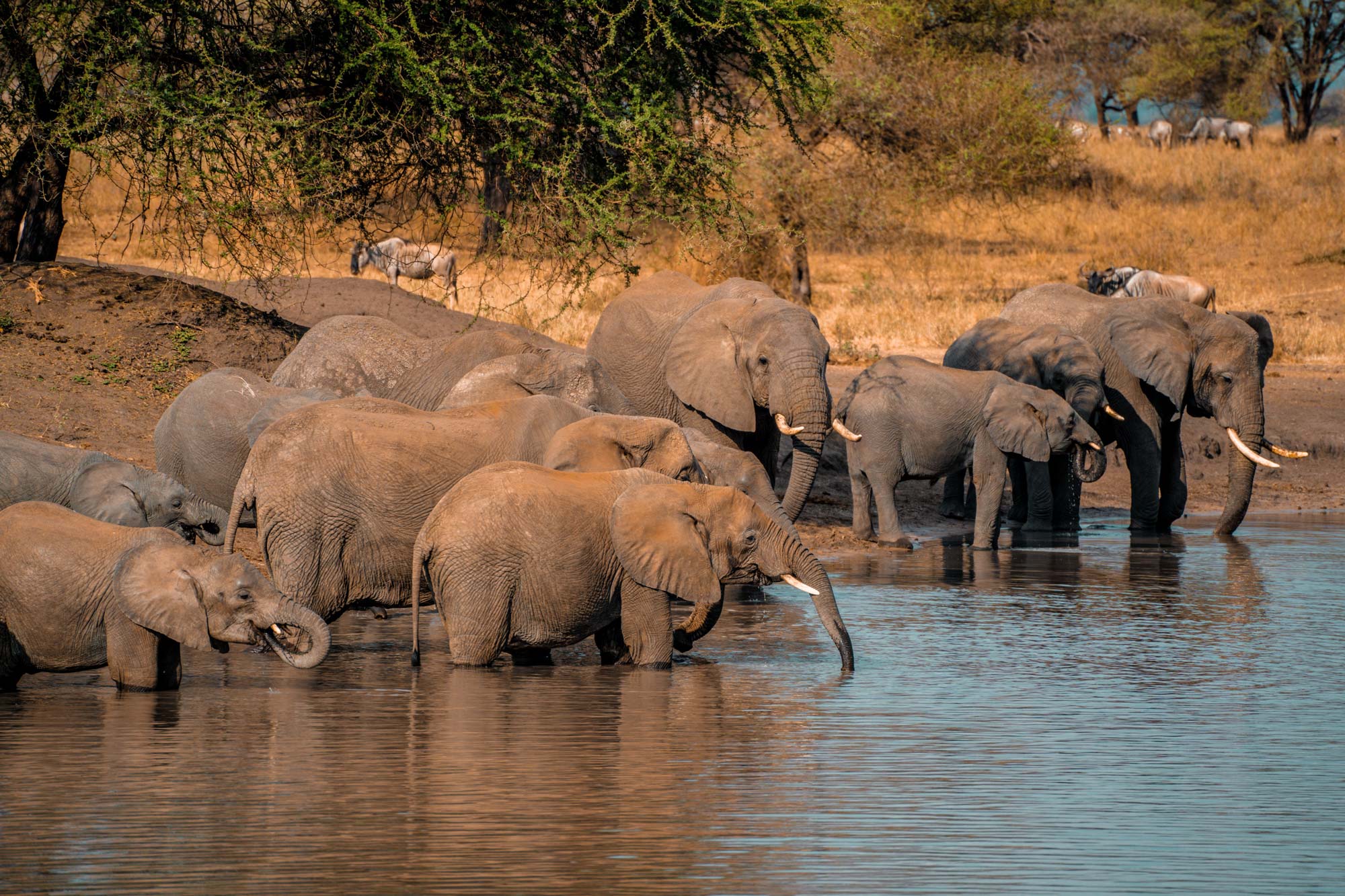
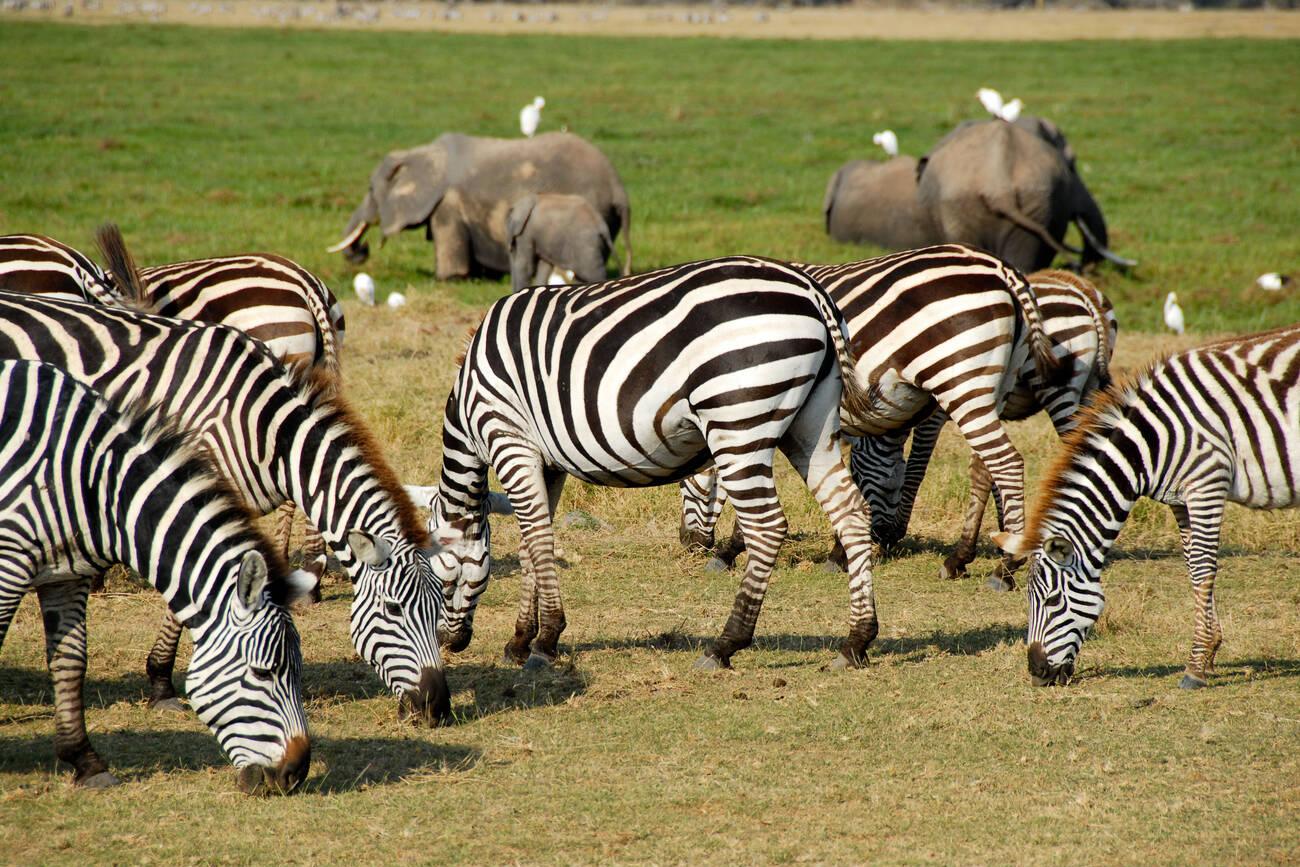
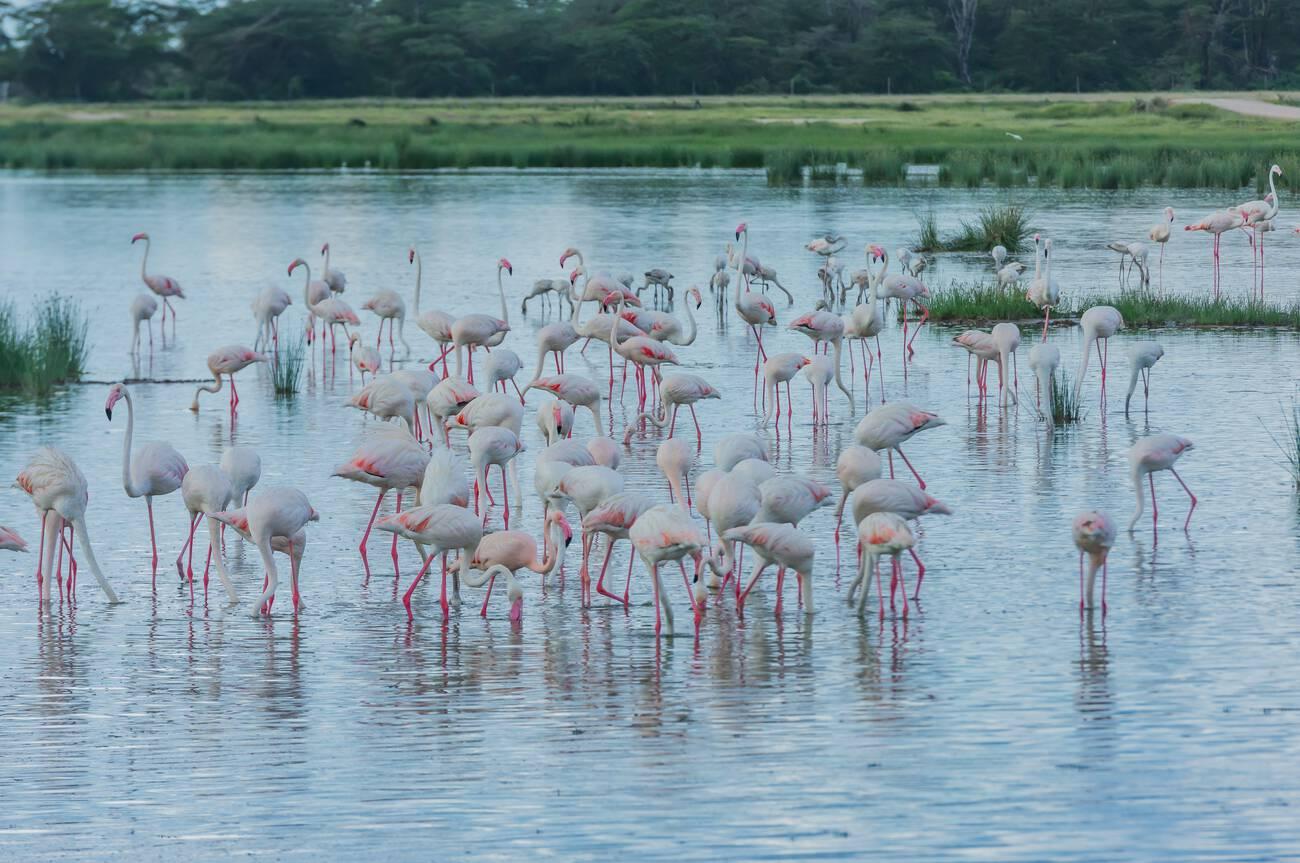
From white-sand beaches to Stone Town and the Indian Ocean beyond, Zanzibar is where the journey slows down without losing its sense of discovery.
Location
Zanzibar Archipelago, Tanzania
Known For
White-Sand Beaches, Stone Town, Spice Farms & Coral Reefs
Best Time
June–October & December–February
Recommended Stay
3–5 Nights
Why Visit Zanzibar Island
STONE TOWN HERITAGE
Explore the narrow streets, carved doorways and layered Swahili, Arab, Indian and European influences of historic Stone Town.
SPICE FARM EXPERIENCES
Discover the island’s famous spice-growing heritage through cloves, cinnamon, nutmeg and other tropical crops grown across Zanzibar.
WHITE SAND BEACHES
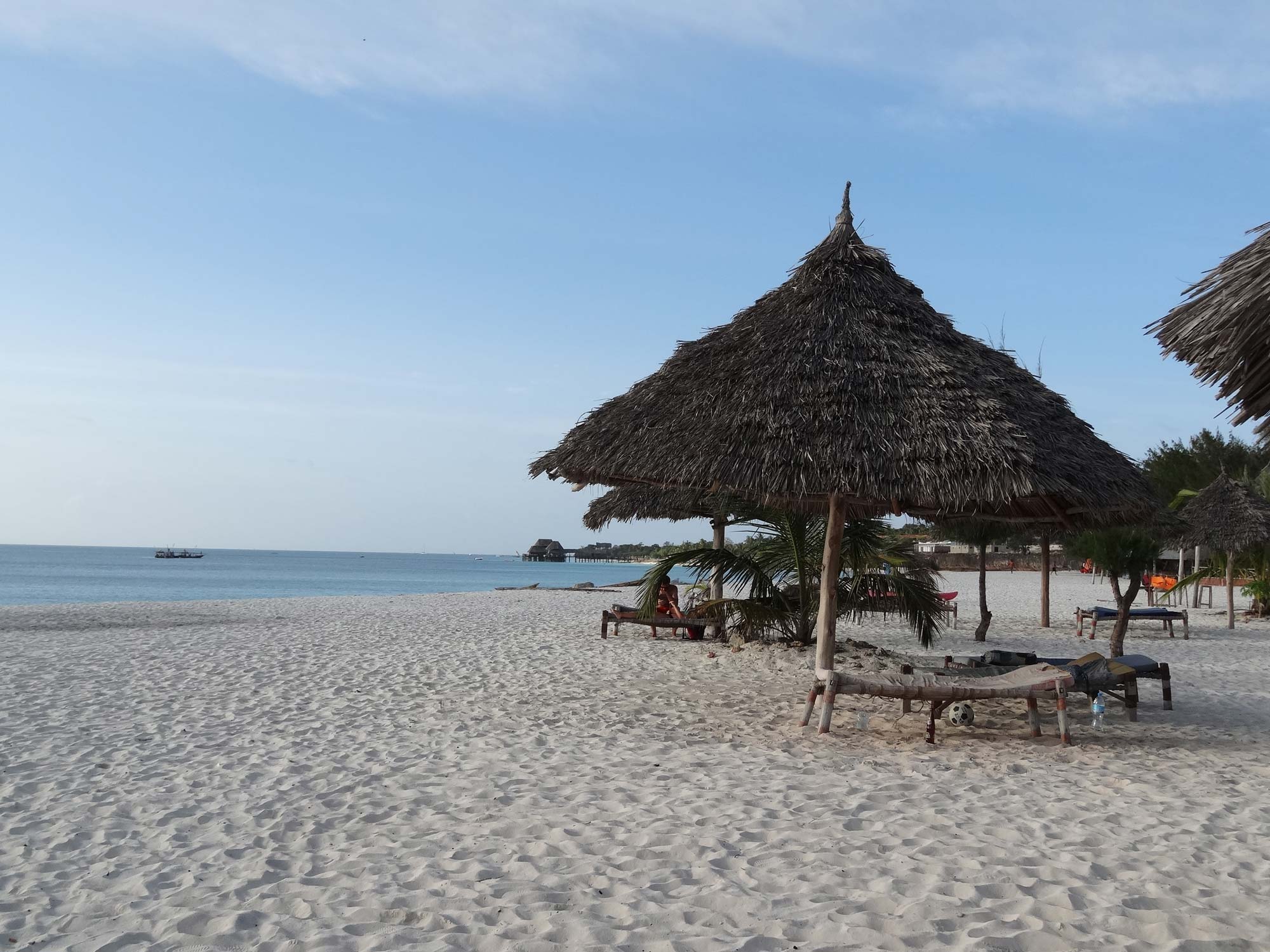
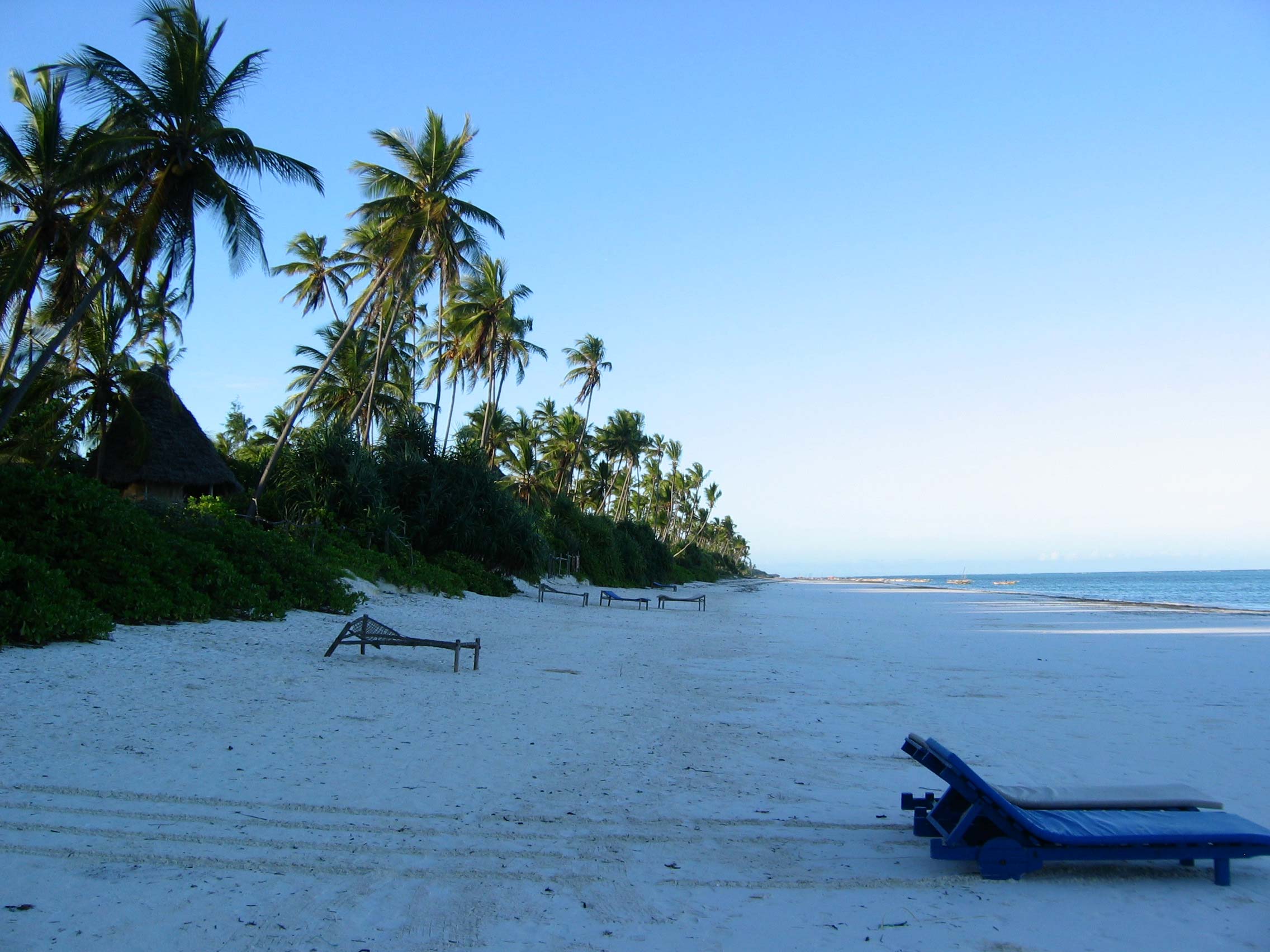
Unwind along beautiful stretches of coast with warm Indian Ocean waters, soft white sand and a slower island pace.
SNORKELING & MARINE LIFE
Explore coral reefs and clear tropical waters, with excellent snorkeling opportunities around some of Zanzibar’s most scenic coastal areas.
Zanzibar Island Overview
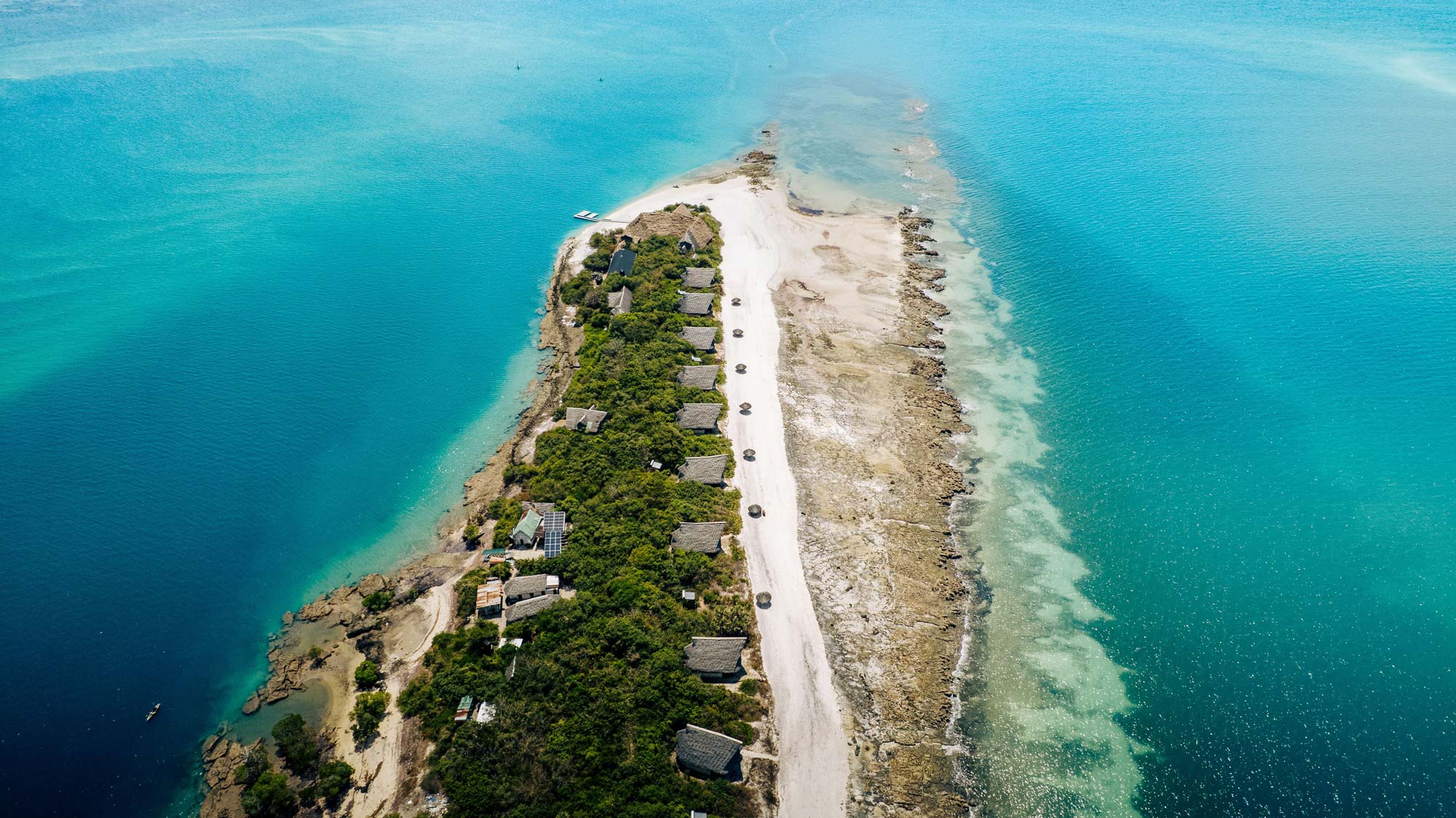
Zanzibar brings together white-sand beaches, warm Indian Ocean waters, rich Swahili culture and centuries of history in one of East Africa’s most distinctive island destinations.
Beyond the coastline, the island has a strong sense of place. Stone Town reflects layers of African, Arab, Indian and European influence, while spice farms, fishing villages and coastal communities reveal a slower and more traditional side of Zanzibar.
For many travelers, Zanzibar is the perfect contrast to safari. After days spent exploring Tanzania’s national parks, the island offers time to unwind, swim, explore, dine by the ocean and enjoy a completely different rhythm.
Often called the Spice Island, Zanzibar has played an important role in regional trade for centuries. That history can still be felt in its architecture, food, markets and cultural traditions today.
What makes Zanzibar especially appealing is the variety. You can spend the morning exploring Stone Town, the afternoon on the water, and the evening watching the sun set over the Indian Ocean.
Location and Geography
Zanzibar lies just off the coast of mainland Tanzania in the warm waters of the Indian Ocean. The archipelago is made up of several islands, with Unguja — commonly known simply as Zanzibar — being the largest and most visited, while Pemba lies further north.
The island is shaped by a tropical landscape of white-sand beaches, coral reefs, mangroves, spice farms, fishing villages and pockets of forest. Its coastline changes noticeably from one area to another, which is why choosing where to stay matters.
The north and northeast are popular for beach stays and swimming, while the east coast is known for its dramatic tides, long stretches of sand and relaxed atmosphere. Stone Town, on the west coast, brings the island’s history and culture into the journey.
A Brief History of Zanzibar
Zanzibar’s character has been shaped by centuries of movement across the Indian Ocean. Traders from Africa, Arabia, Persia and India passed through the islands, creating cultural influences that can still be seen today in the architecture, food, language and traditions.
Over time, Zanzibar became an important regional trading centre, particularly during the period of Omani influence, when cloves and other spices became central to the island’s economy.
Stone Town grew as the commercial and cultural heart of Zanzibar, and many of its historic buildings, carved doors, narrow streets and former palaces still reflect this layered past.
In 1964, Zanzibar joined with Tanganyika to form the United Republic of Tanzania while retaining its own semi-autonomous government.
Today, Zanzibar’s history is not something confined to museums. It remains visible in everyday life — in the markets, architecture, cuisine, language and communities that give the island its distinctive identity.
Stone Town
Stone
Stone Town is the historical and cultural heart of Zanzibar, a place where centuries of trade, migration and cultural exchange are still visible in everyday life.
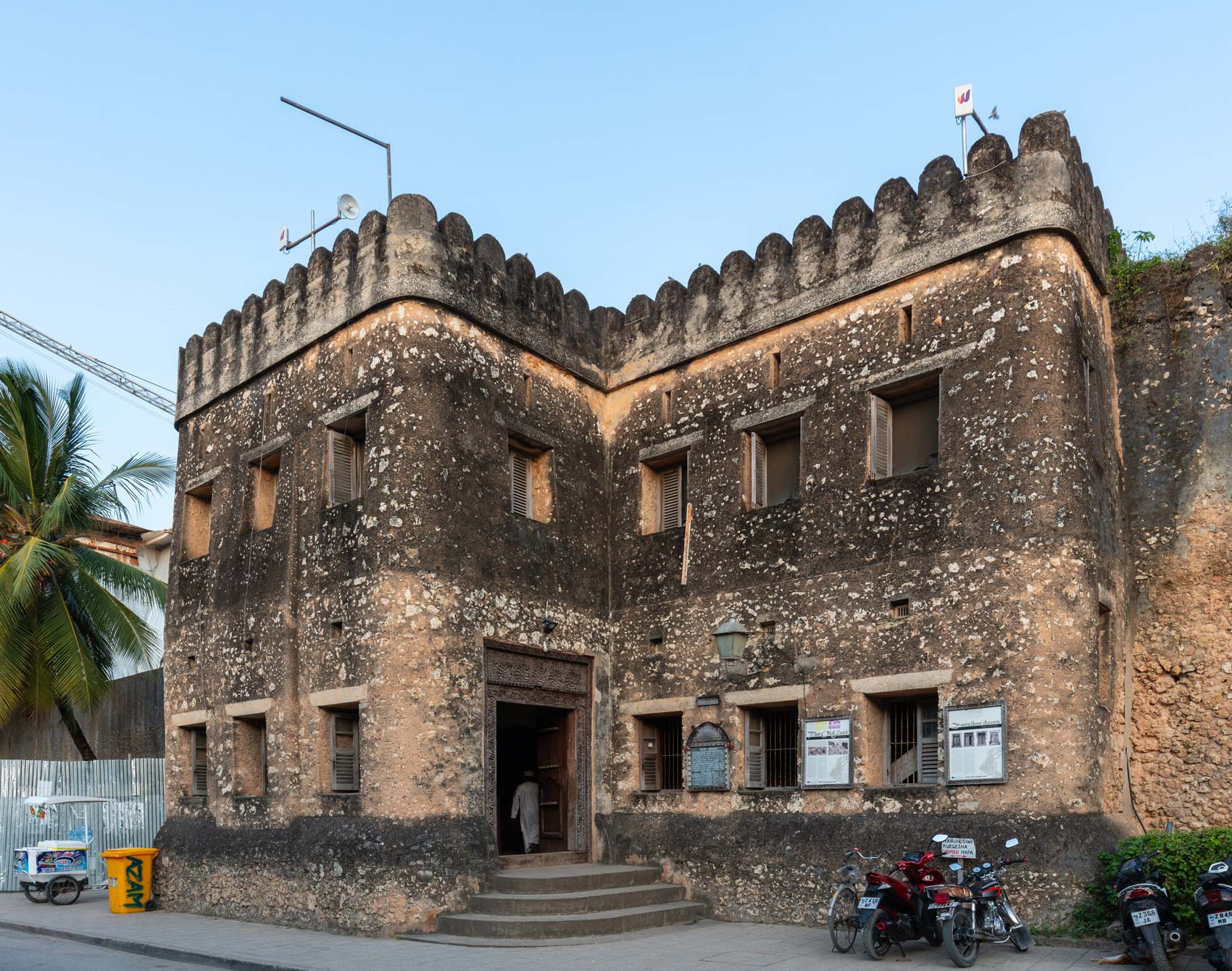
Its narrow streets wind between coral-stone buildings, carved wooden doors, shaded courtyards, balconies, mosques and old merchant houses. The architecture reflects the African, Arab, Indian and European influences that shaped Zanzibar over generations.
Recognized as a UNESCO World Heritage Site, Stone Town is best experienced slowly — walking through its lanes, visiting historic landmarks, browsing local markets and stopping along the waterfront as the city changes pace toward evening
Popular Places to Explore in Stone Town
House of Wonders (Beit al-Ajaib)
One of Stone Town’s most recognizable landmarks, the House of Wonders was built in the late 19th century as a ceremonial palace for Sultan Barghash. Today, it remains an important part of Zanzibar’s architectural heritage, although restoration and conservation work has affected visitor access.
Old Fort
Built in the 17th century, the Old Fort is one of Stone Town’s oldest surviving structures. Today, its courtyards host cultural events, small shops, exhibitions and performances, making it an easy stop while exploring the historic centre.
Palace Museum
Formerly associated with Zanzibar’s sultans, the Palace Museum offers insight into the island’s royal history through photographs, furnishings, documents and historic objects.
Anglican Cathedral & Former Slave Market Site
Christ Church Anglican Cathedral stands on the site of Zanzibar’s former slave market and is one of the most significant historical places in Stone Town. A visit provides important context on the East African slave trade and the events surrounding its abolition. UNESCO identifies the cathedral as a monument associated with the abolition of the slave trade in the Sultan’s dominions.
Beaches of Zanzibar
Zanzibar’s coastline is not one single experience. Each area has its own rhythm, tide pattern and atmosphere, which is why choosing the right beach matters.
Nungwi Beach
Set on Zanzibar’s northern tip, Nungwi is known for white sand, clear water, lively evenings and some of the island’s best-known resorts. Tidal changes are generally less dramatic here than on much of the east coast, making swimming easier through more of the day.
Kendwa Beach
Just south of Nungwi, Kendwa offers a broad stretch of soft sand and a slightly more relaxed atmosphere. It works particularly well for travelers looking for easy beach days, sunset views and a good balance between comfort and activity.
Paje Beach
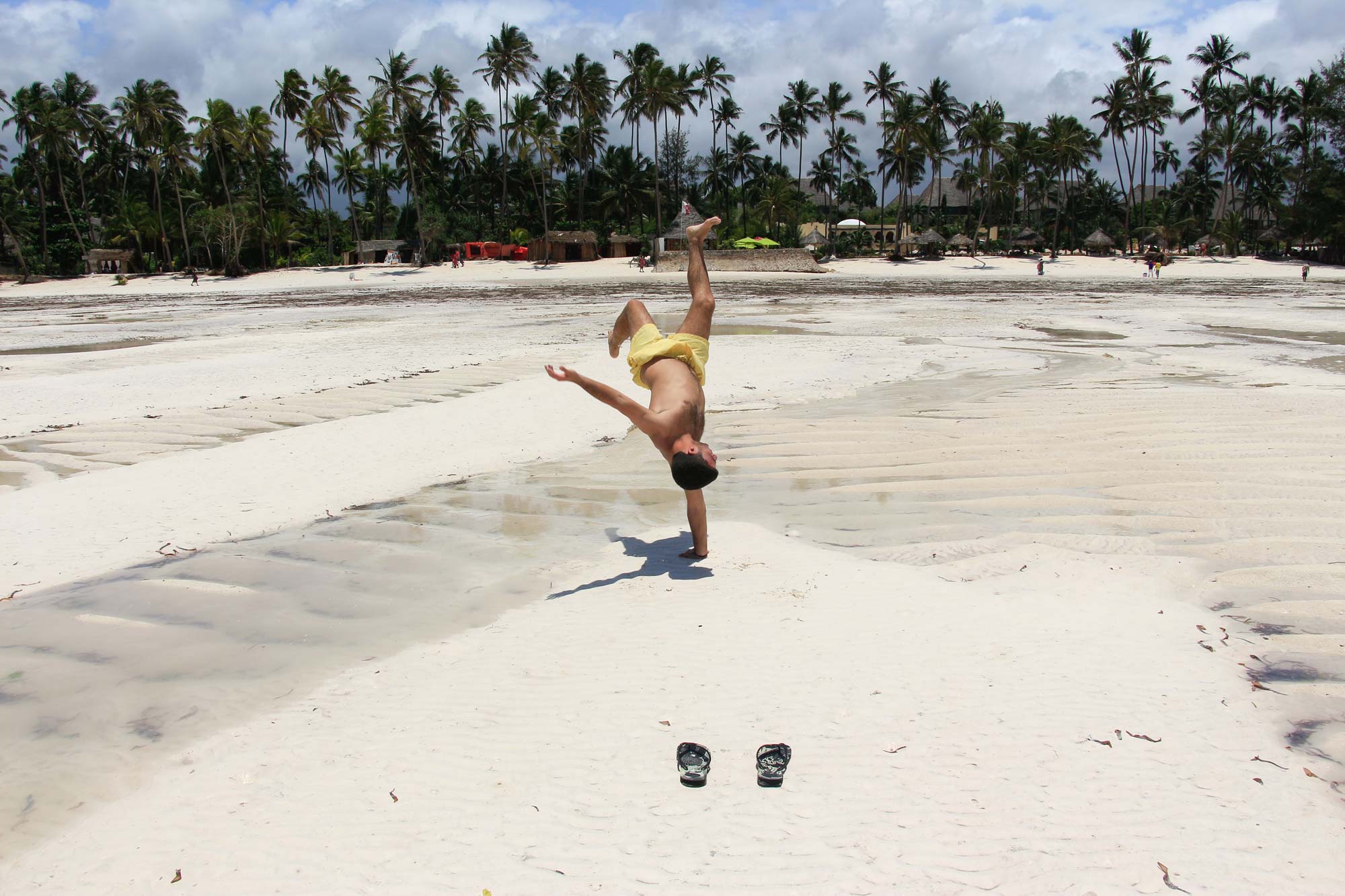
Paje has a very different character. Located on the southeast coast, it is known for wide tidal flats, consistent winds and a younger, more active beach scene. It is especially popular for kitesurfing and travelers who enjoy a more energetic coastal atmosphere.
Jambiani Beach
Jambiani feels quieter and more local, with a long beach, traditional villages and a slower pace. It suits travelers who want a more laid-back stay with a stronger sense of everyday island life.
Matemwe Beach
Matemwe is one of the calmer and more understated beach areas on the northeast coast. It is a good choice for travelers looking for privacy, a quieter atmosphere and easy access to marine excursions.
Spice Farm Experiences
Zanzibar’s identity as the “Spice Island” comes from centuries of spice cultivation and trade. A guided spice farm visit introduces travelers to cloves, cinnamon, vanilla, black pepper, nutmeg, cardamom, turmeric, ginger and other tropical crops grown across the island.
The experience is interactive rather than simply observational. Travelers can see how spices are cultivated and harvested, learn how they are used in cooking and traditional practices, and smell or taste many of them directly from the source.
Ocean & Water Experiences
Zanzibar’s coastline offers far more than simply relaxing on the beach. Clear Indian Ocean waters, coral reefs and warm tropical conditions make the island well suited to snorkeling, diving, sailing and other marine experiences.
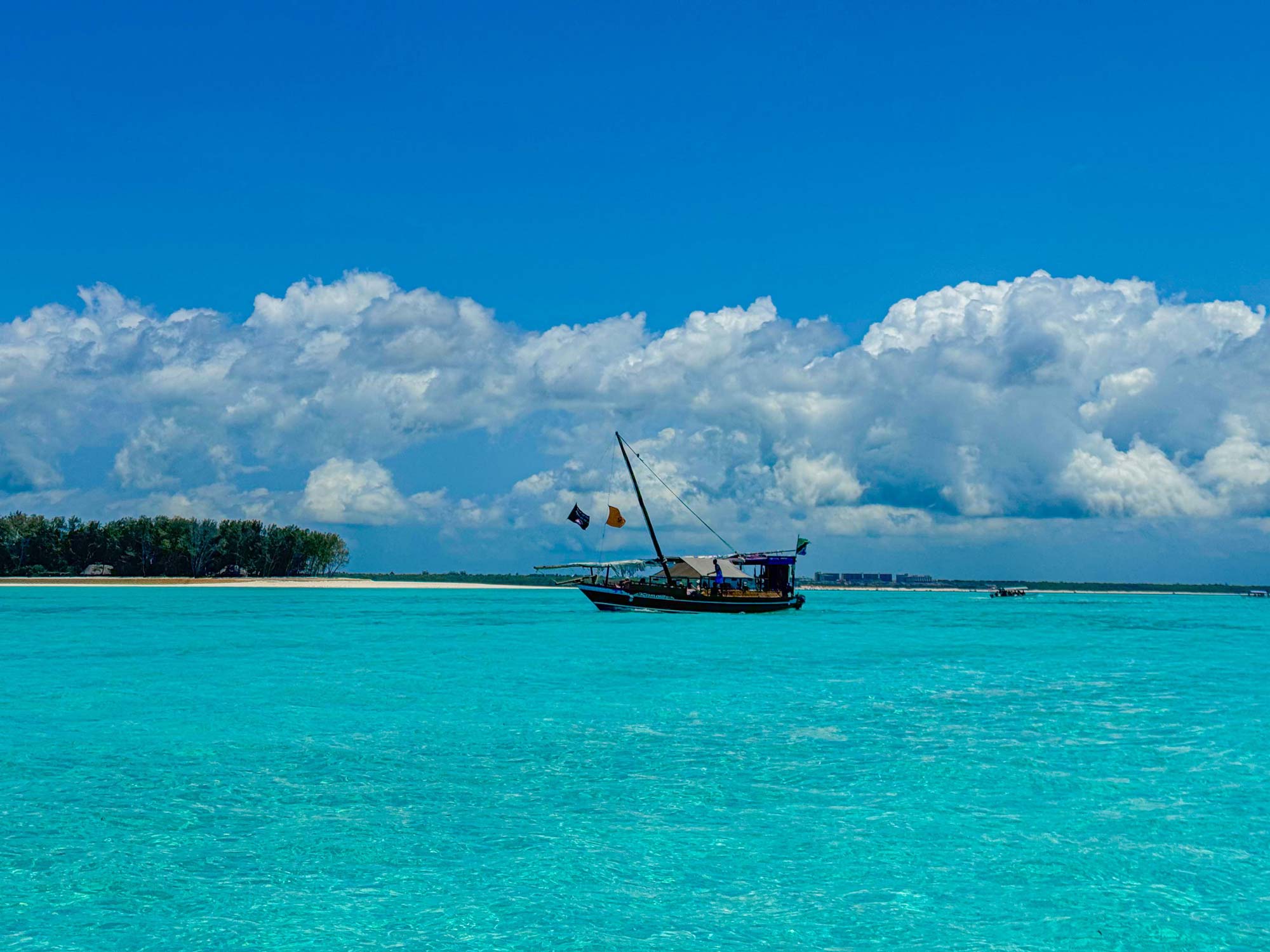
Depending on the area and season, travelers can enjoy reef snorkeling, scuba diving, traditional dhow sailing, sandbank excursions and relaxed boat trips along the coast.
We select activities based on location, weather conditions and the traveler’s interests, allowing beach time to remain as relaxed or as active as they want it to be
Snorkeling
Zanzibar’s reefs offer excellent snorkeling in clear tropical waters, with colorful coral, reef fish and other marine life. Areas around Mnemba and other reef systems are especially popular for guided snorkeling excursions.
Scuba Diving
For certified divers, Zanzibar offers a mix of coral gardens, reef walls, drop-offs and marine life across several dive areas around the island. Diving conditions vary by location and season, so we match sites to experience level and current conditions.
Traditional Dhow Cruises
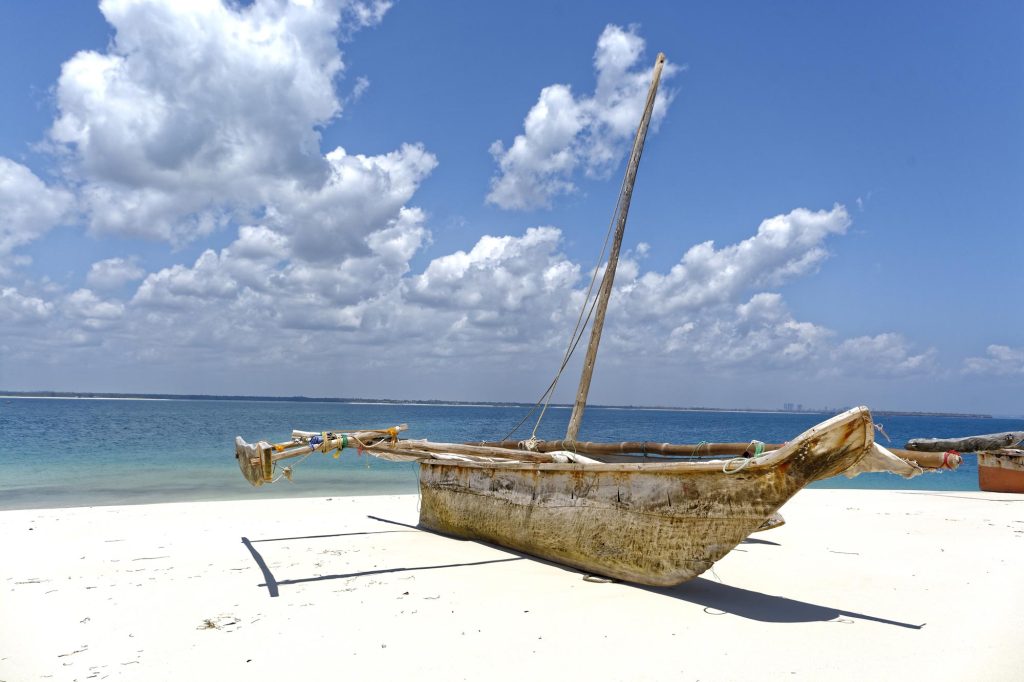
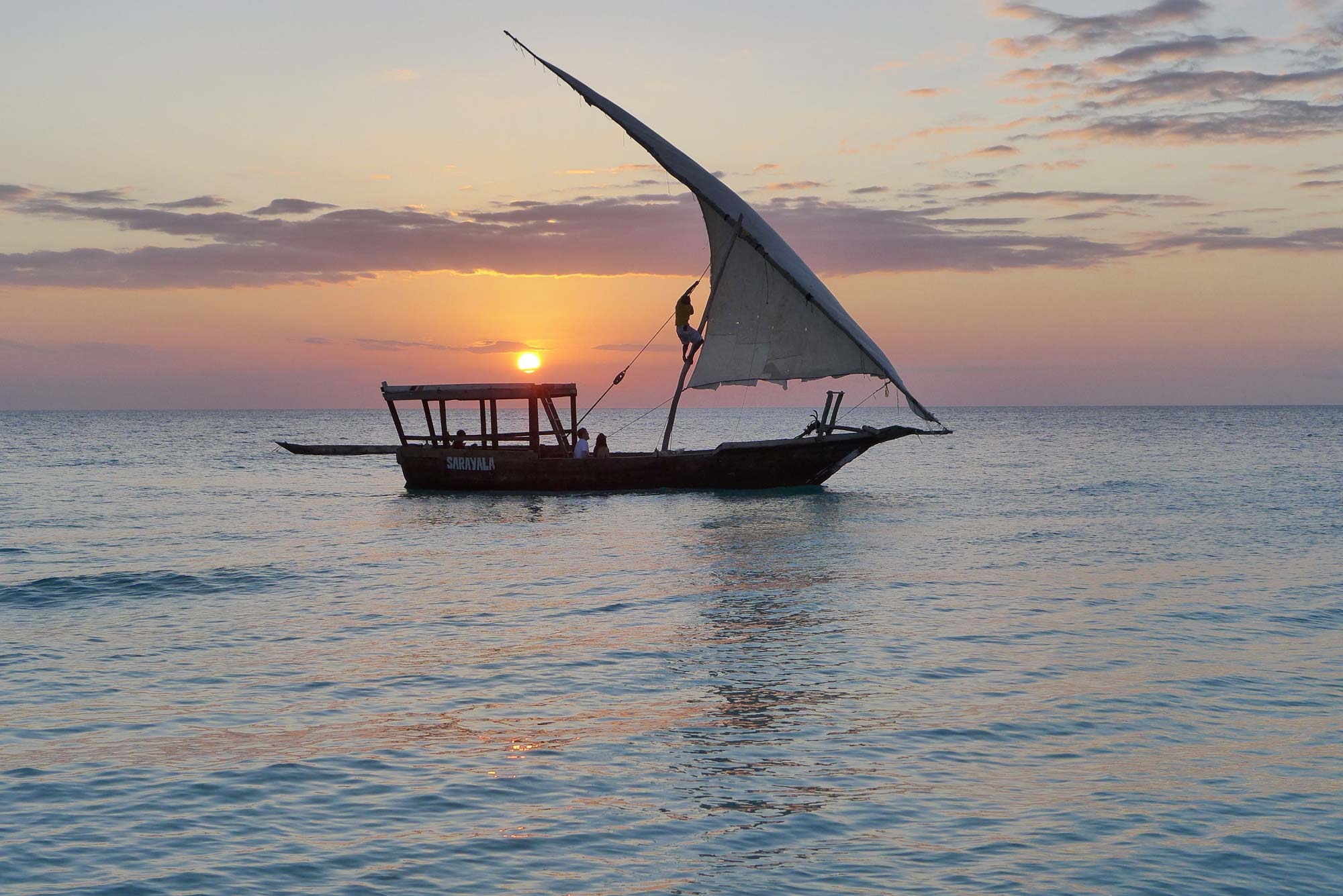
Sailing aboard a traditional wooden dhow is one of Zanzibar’s most atmospheric experiences. Cruises can be arranged for sunset, coastal sightseeing or relaxed time on the water, offering a slower and more memorable way to experience the Indian Ocean.
Deep-Sea Fishing
Zanzibar is also a strong destination for sport fishing, with offshore trips targeting species such as tuna, marlin, sailfish and mahi-mahi. These excursions are best arranged with experienced operators and depend on season and sea conditions.
Kayaking & Paddleboarding
In calmer coastal areas, kayaking and stand-up paddleboarding offer an easy way to explore the shoreline at your own pace. They work especially well for travelers looking for something active without committing to a full-day excursion.
Sandbank & Island Excursions
Private boat trips can combine snorkeling, swimming and time on remote sandbanks or smaller islands. These are ideal for travelers who want a relaxed day on the water with a more private feel.
Swahili Culture
Swahili culture is at the heart of Zanzibar’s identity, shaped over centuries by African, Arab, Persian and Indian influences.
You see it in the architecture, language, food, music, clothing and everyday traditions of the island. In Stone Town especially, the culture is part of the atmosphere — from carved wooden doors and bustling markets to local cuisine and taarab music.
For travelers, this cultural side of Zanzibar adds real depth to a beach stay. Guided walks, village visits, cooking experiences and local encounters can all be included depending on how much of the island you want to explore beyond the coast.
Best Time to Visit Zanzibar
June to October
Generally one of the most comfortable periods for Zanzibar, with lower humidity, plenty of sunshine and good conditions for beach time, sightseeing and many ocean activities.
January to February
Warm, sunny and popular for beach stays. These months are a good option for travelers looking for strong beach weather outside the main mid-year season.
March to May
This is the wetter period, with heavier and more frequent rainfall. Some travelers still enjoy the quieter atmosphere, but weather can be less predictable.
November to December
Shorter rains can occur, often mixed with sunny periods. Zanzibar remains very workable during these months, especially for travelers who are comfortable with some variability in the weather.
GALLERY
Frequently Asked Questions (FAQs)
What is Zanzibar famous for?
Zanzibar is known for its white-sand beaches, warm Indian Ocean waters, historic Stone Town, spice heritage, Swahili culture and marine experiences. It works equally well for relaxation, culture and post-safari beach time.
When is the best time to visit Zanzibar?
June to October and January to February are generally the most popular periods for beach holidays and outdoor activities. March to May is wetter, while November and December can bring shorter rains mixed with sunny periods.
What are the main places to visit in Zanzibar?
Popular areas include Stone Town, Nungwi, Kendwa, Paje, Jambiani, Matemwe, Jozani Forest and several reef, sandbank and marine excursion areas around the island.
How many days should I spend in Zanzibar?
For most travelers, 3–5 nights works well after safari. A longer stay of around 5–7 nights gives more time for beach days, Stone Town, spice experiences and ocean activities without rushing.
Is Zanzibar good after a Tanzania safari?
Yes. Zanzibar is one of the easiest ways to add a slower, more relaxed finish to a Tanzania journey. The contrast between safari and the coast works especially well for couples, honeymooners, families and first-time visitors.
Book Your Journey
Reserve your Tanzania Safari today and create unforgettable memories.