Tarangire National Park

A landscape of ancient baobabs, seasonal riverbeds and remarkable elephant herds, offering some of northern Tanzania’s most rewarding wildlife viewing.

Location

Northern Tanzania

Wildlife

Elephants, Lions, Leopards, Giraffes, Zebra & More

Best Time

June to October for peak dry-season wildlife viewing

Safari Duration

1 to 2 Days

Why Tarangire National Park Stand Out

ELEPHANT HERDS

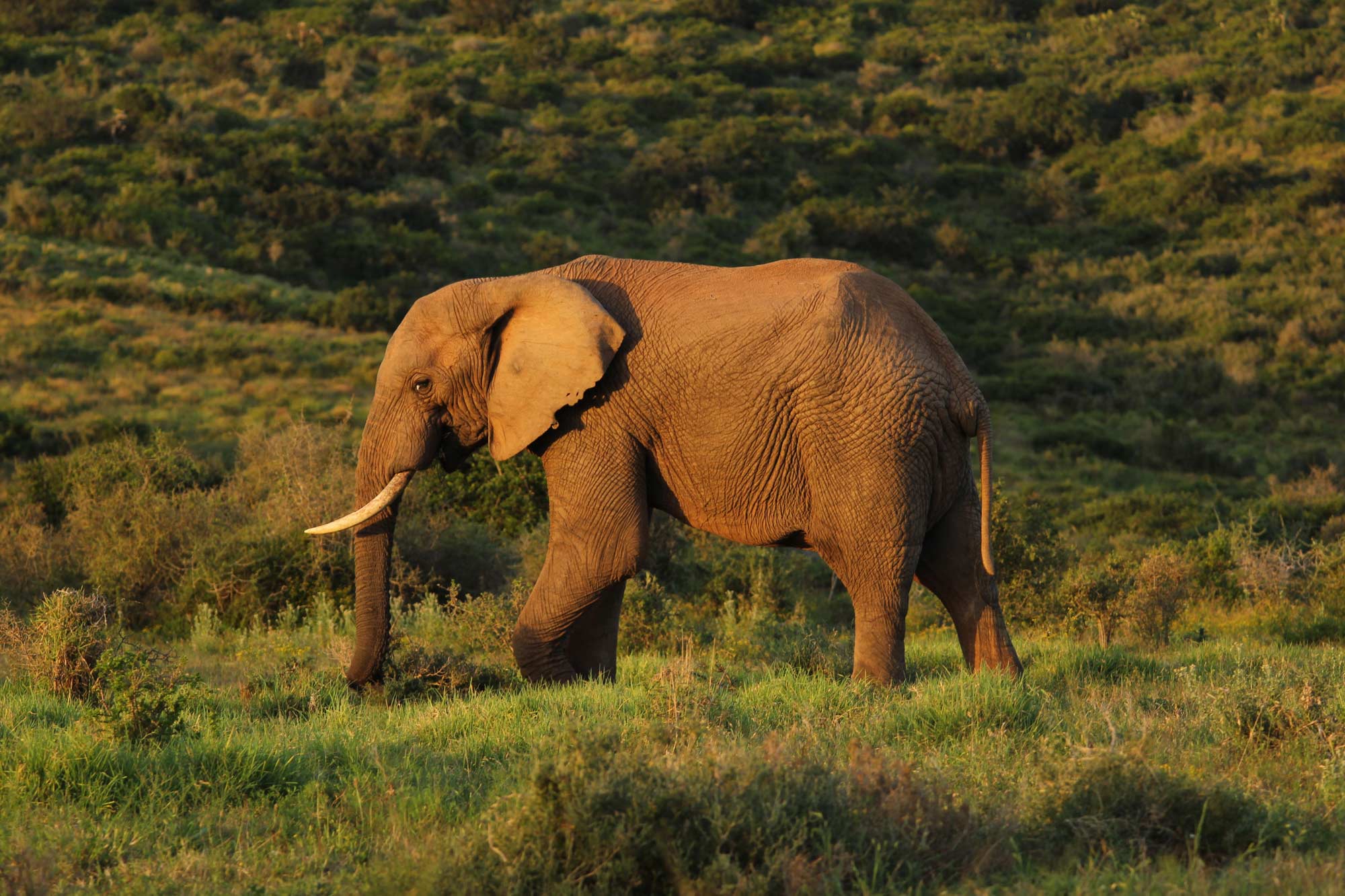
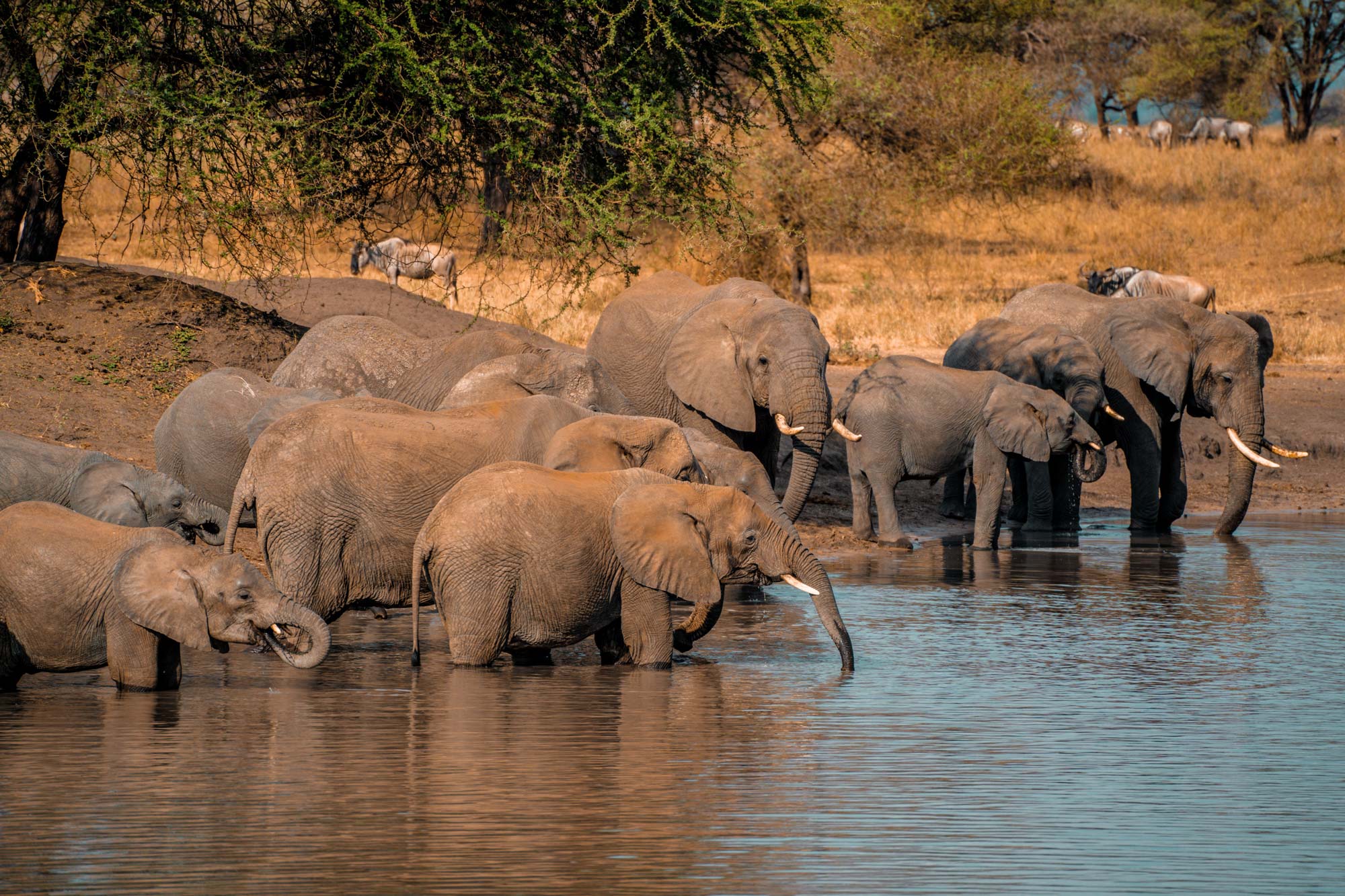
Tarangire is especially known for its elephants, with large herds often gathering around the river and surrounding plains during the dry season.

ANCIENT BAOBABS

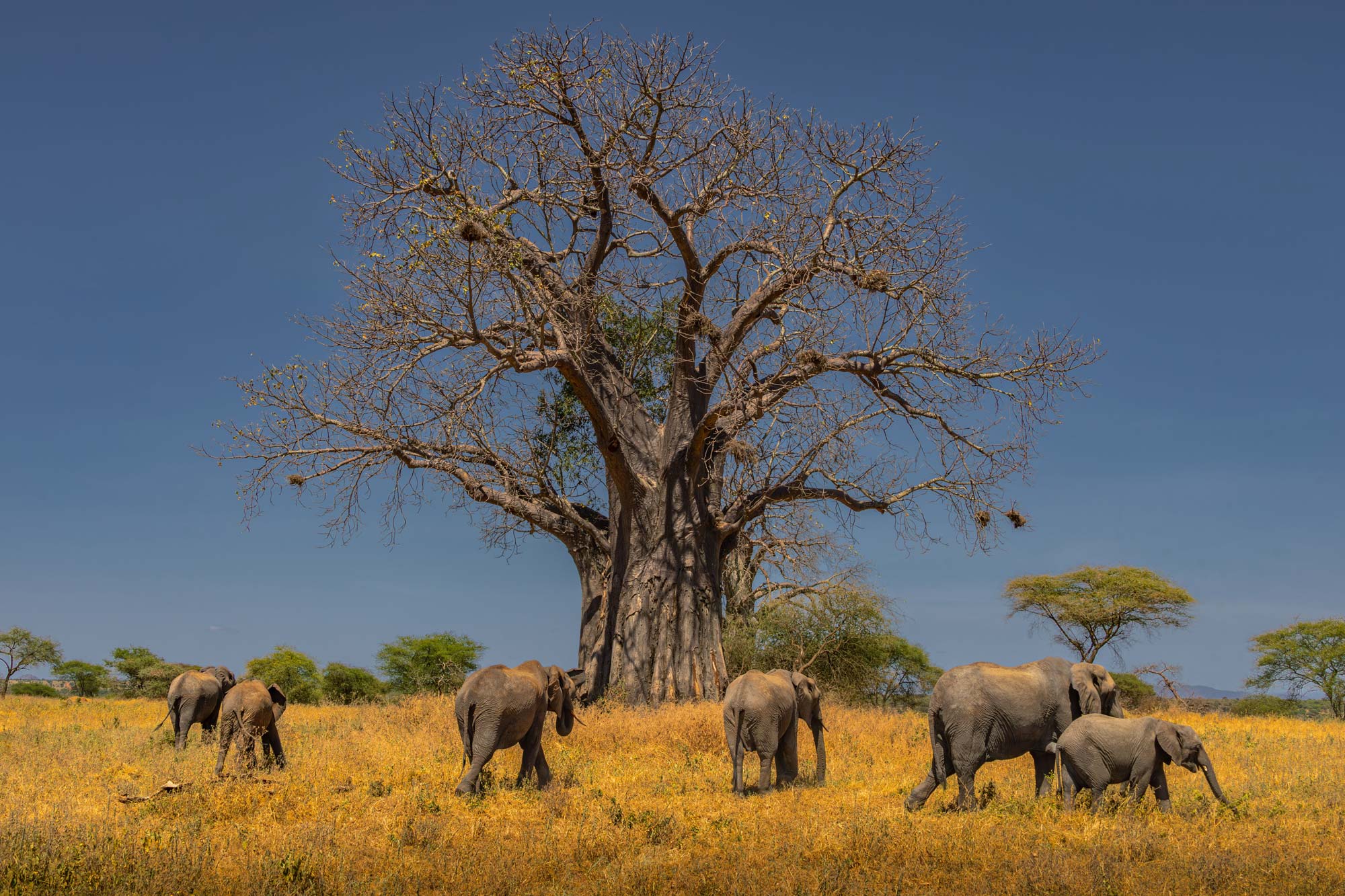
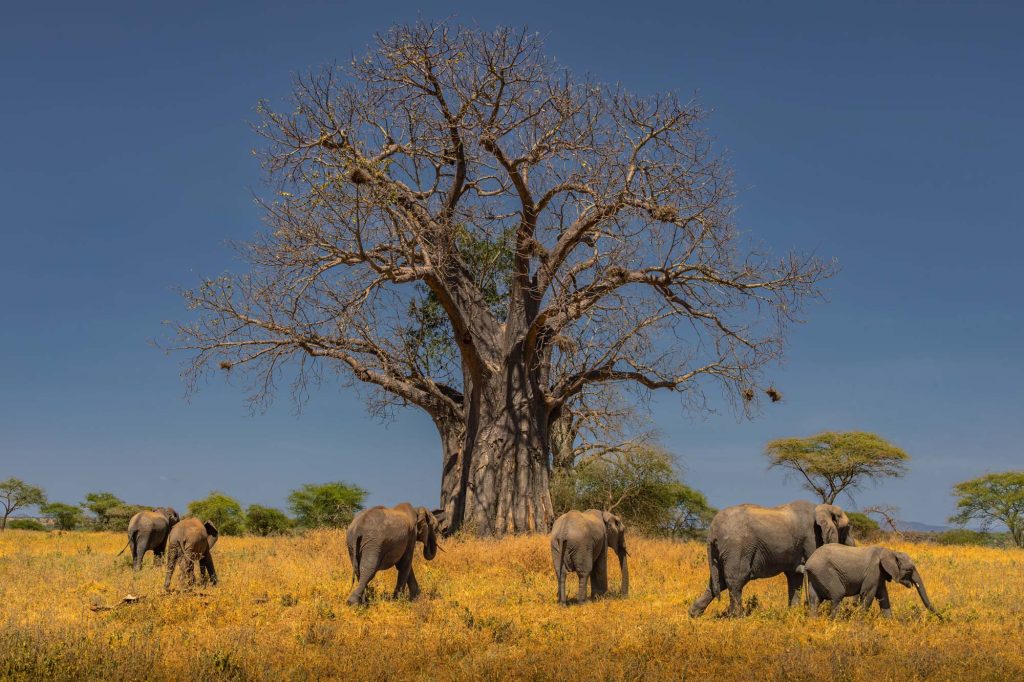
Massive baobab trees give Tarangire one of the most distinctive landscapes in northern Tanzania and create a beautiful backdrop for wildlife viewing.

THE TARANGIRE RIVER

The river is the park’s lifeline, attracting elephants, buffalo, antelope and predators as surrounding water sources become scarce.

RICH BIRDLIFE

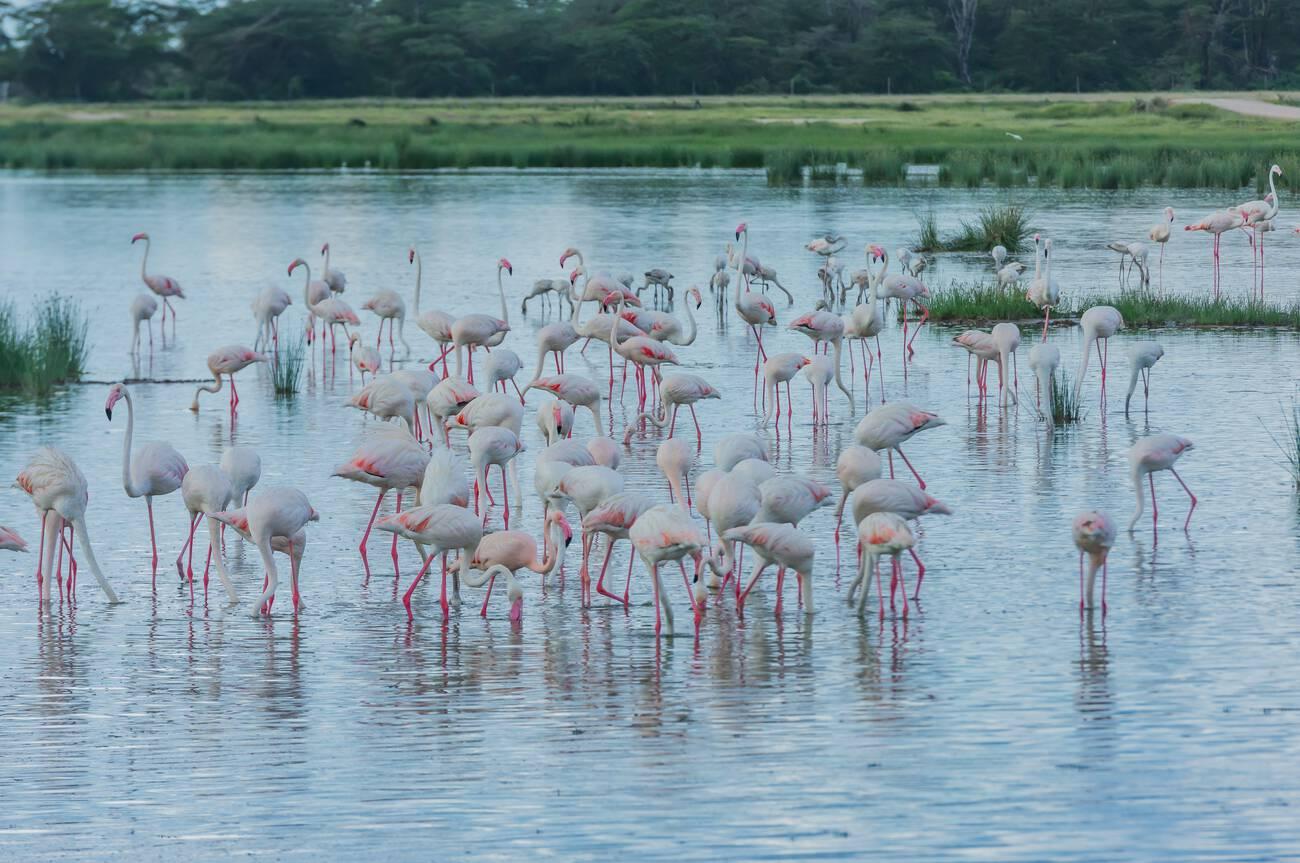
Tarangire is also an excellent birding destination, with a wide variety of species across its riverine woodland, wetlands and open savannah.

About Tarangire

Tarangire National Park is one of northern Tanzania’s most distinctive safari destinations, known for large elephant herds, ancient baobab trees, varied landscapes and a quieter atmosphere than some of the busier parks on the northern circuit.

The park covers roughly 2,850 square kilometres and is shaped by the Tarangire River, an important source of water during the dry season. As seasonal water sources shrink, wildlife from the surrounding ecosystem moves toward the river, creating impressive concentrations of elephants, buffalo, antelope and other animals.

Tarangire works especially well for travellers who want strong wildlife viewing combined with dramatic scenery and a more relaxed safari atmosphere.

Location & Access

Tarangire National Park lies in northern Tanzania, about 120 kilometres southwest of Arusha. Its location makes it easy to combine with Lake Manyara, Ngorongoro and the Serengeti as part of a northern circuit safari.

By road, the journey from Arusha usually takes around 2½ to 3 hours depending on traffic and road conditions.

For travellers who prefer to save time, scheduled and charter flights can also be arranged to airstrips serving Tarangire and nearby safari areas.

History of Tarangire National Park

Tarangire became a national park in 1970, protecting an important part of a much larger ecosystem used by wildlife moving between seasonal grazing areas and water sources.

The park remains closely connected to surrounding community lands and wildlife corridors, which are important for the movement of elephants and other animals throughout the year.

That is enough history. You don’t need the longer paragraph about conservation authorities, operators and organisations here.

Wildlife Experience

Tarangire is especially famous for its elephants. Large family herds can often be seen moving through woodland, feeding beneath baobab trees, crossing open plains or gathering near the Tarangire River.

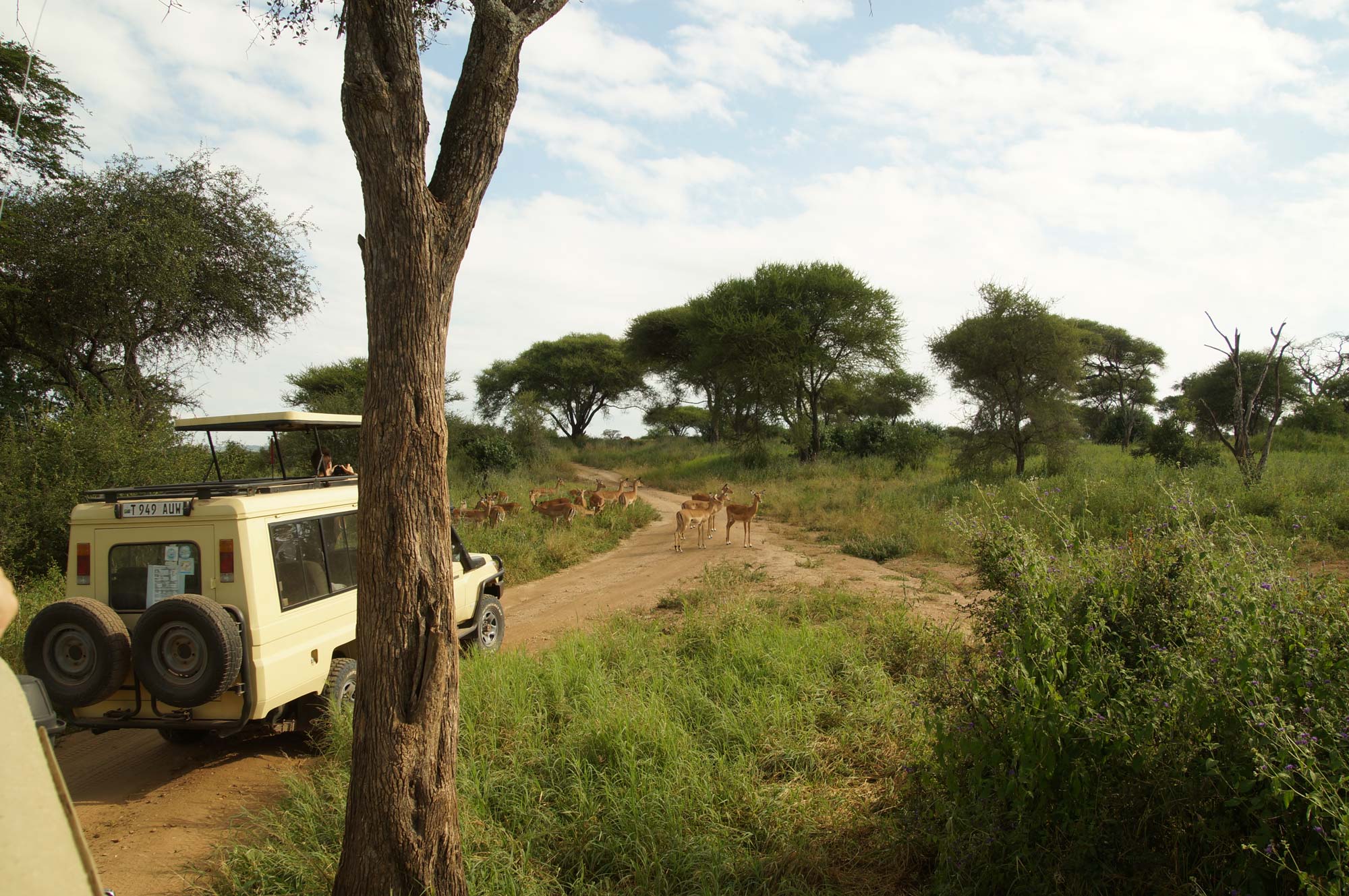
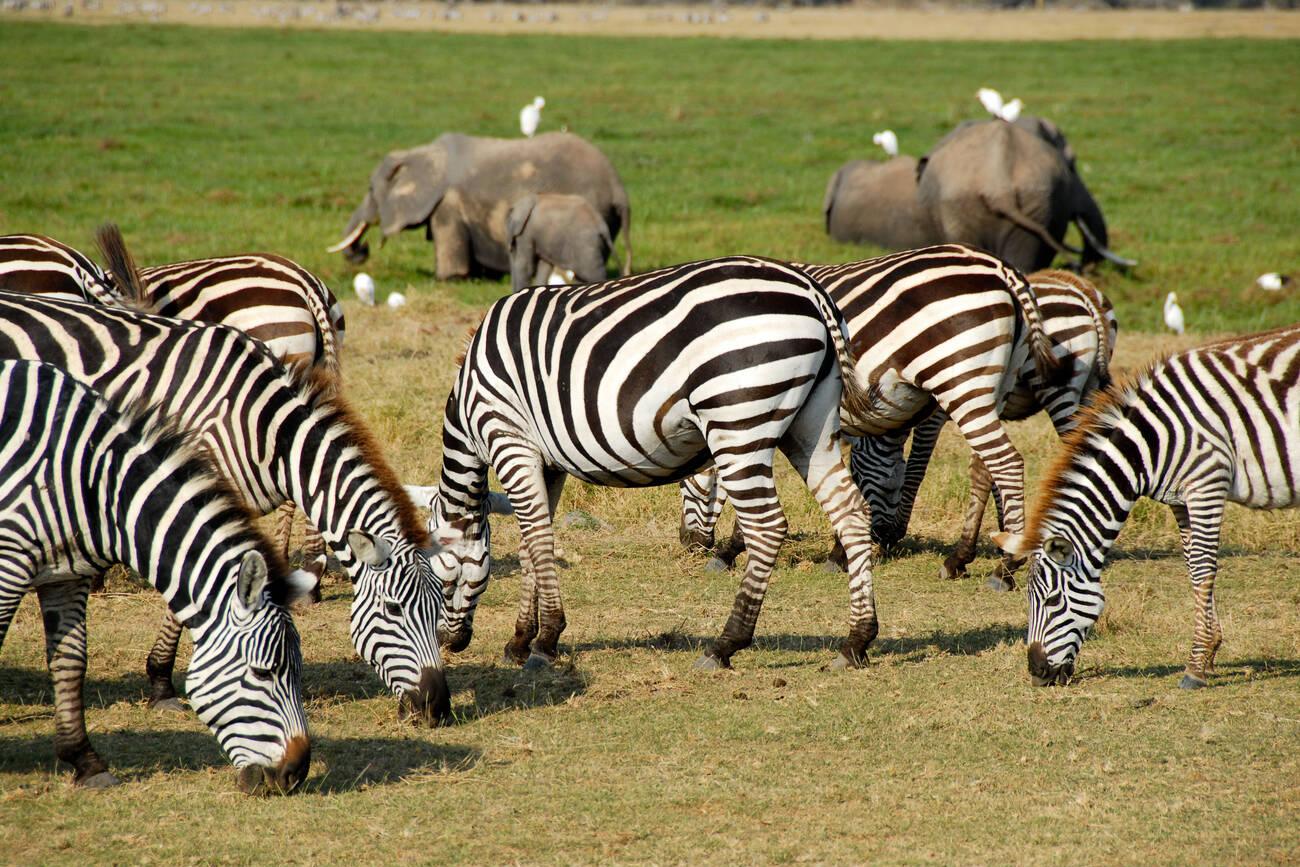
The park also supports zebra, wildebeest, buffalo, giraffe, impala, waterbuck and numerous other herbivores. During the dry season, wildlife becomes increasingly concentrated around permanent water, creating particularly rewarding game-viewing conditions.

Tarangire is also known for species that can be less commonly encountered elsewhere on the northern circuit, including greater kudu, fringe-eared oryx and gerenuk.

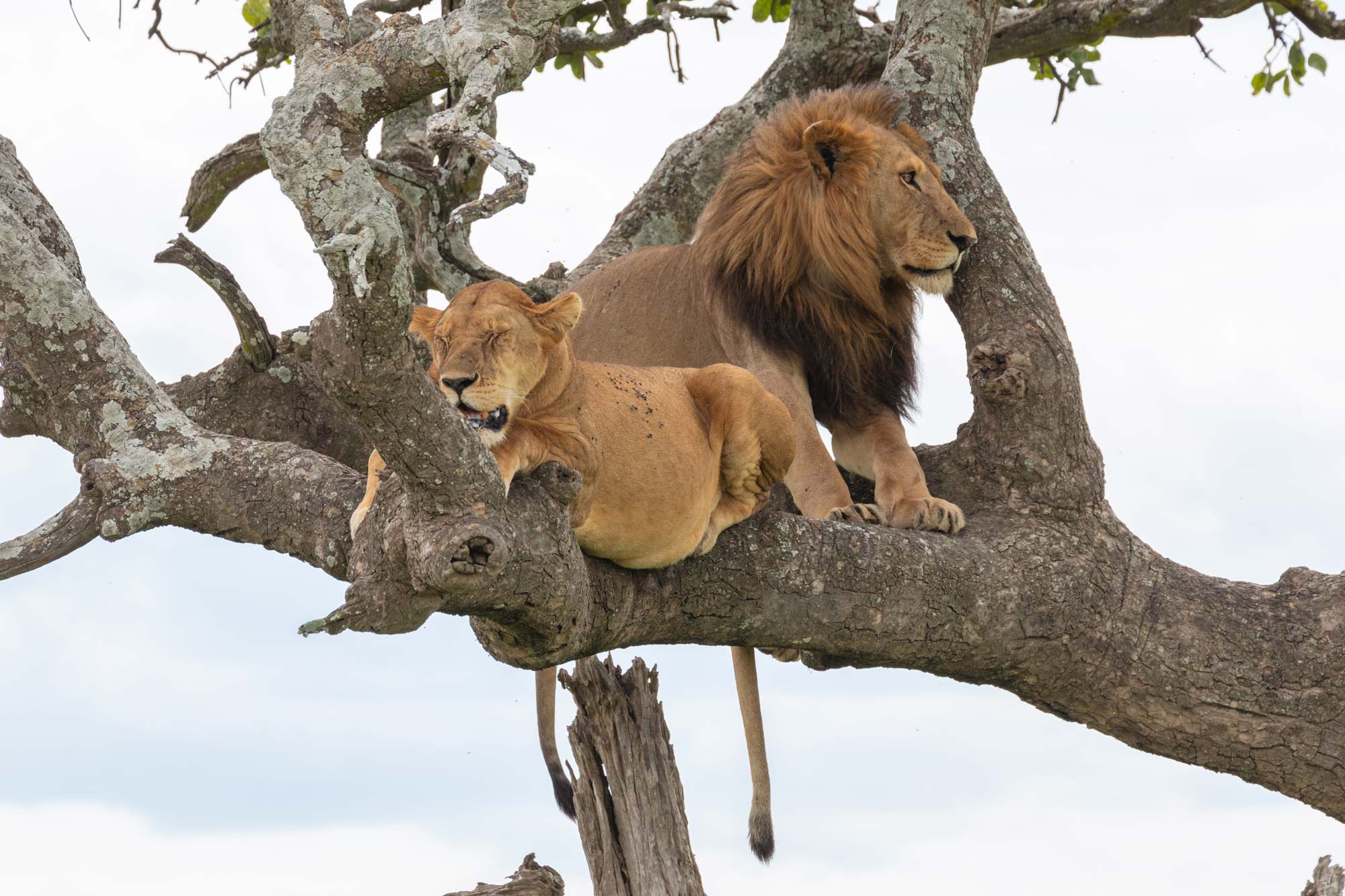
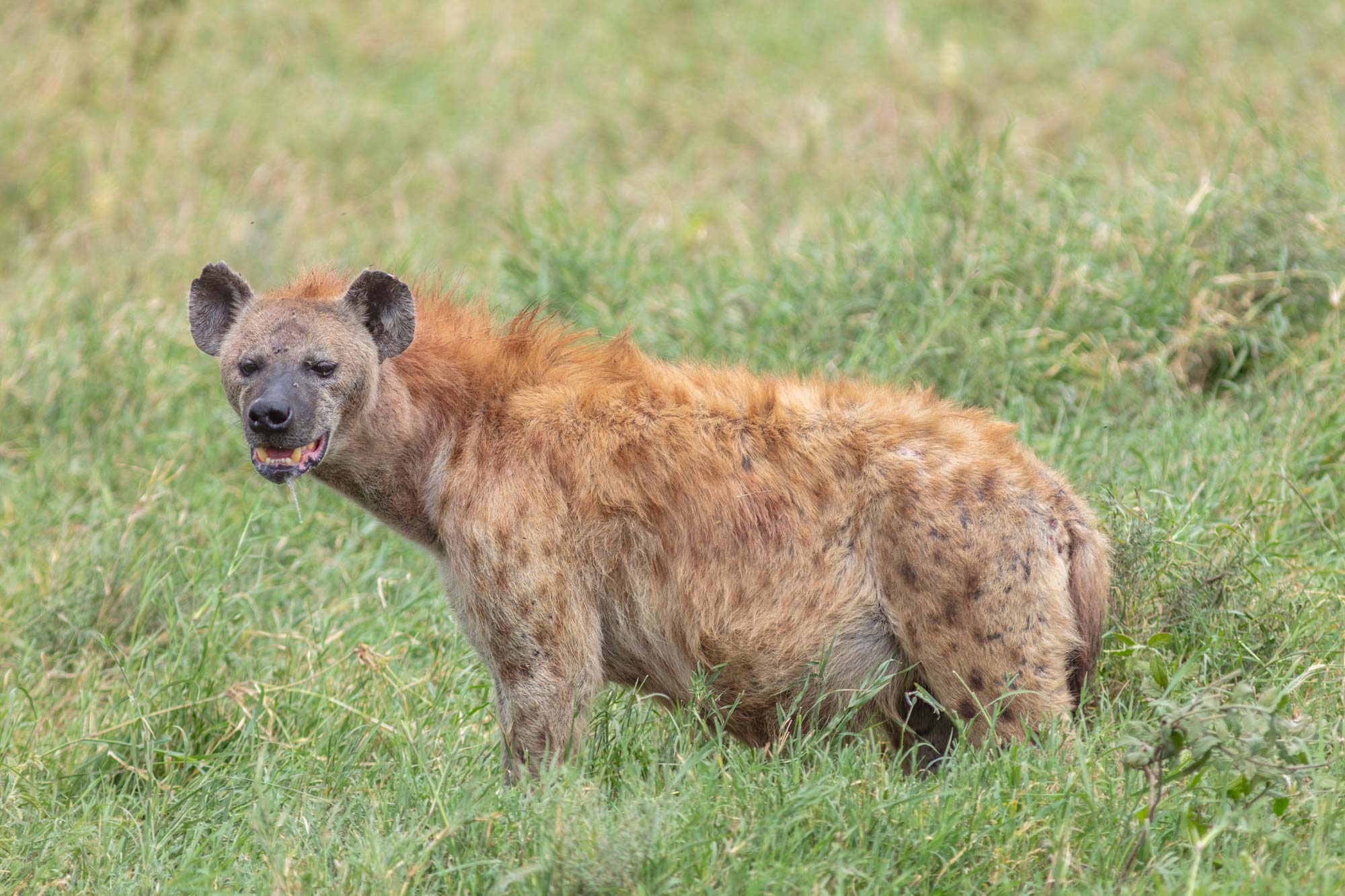
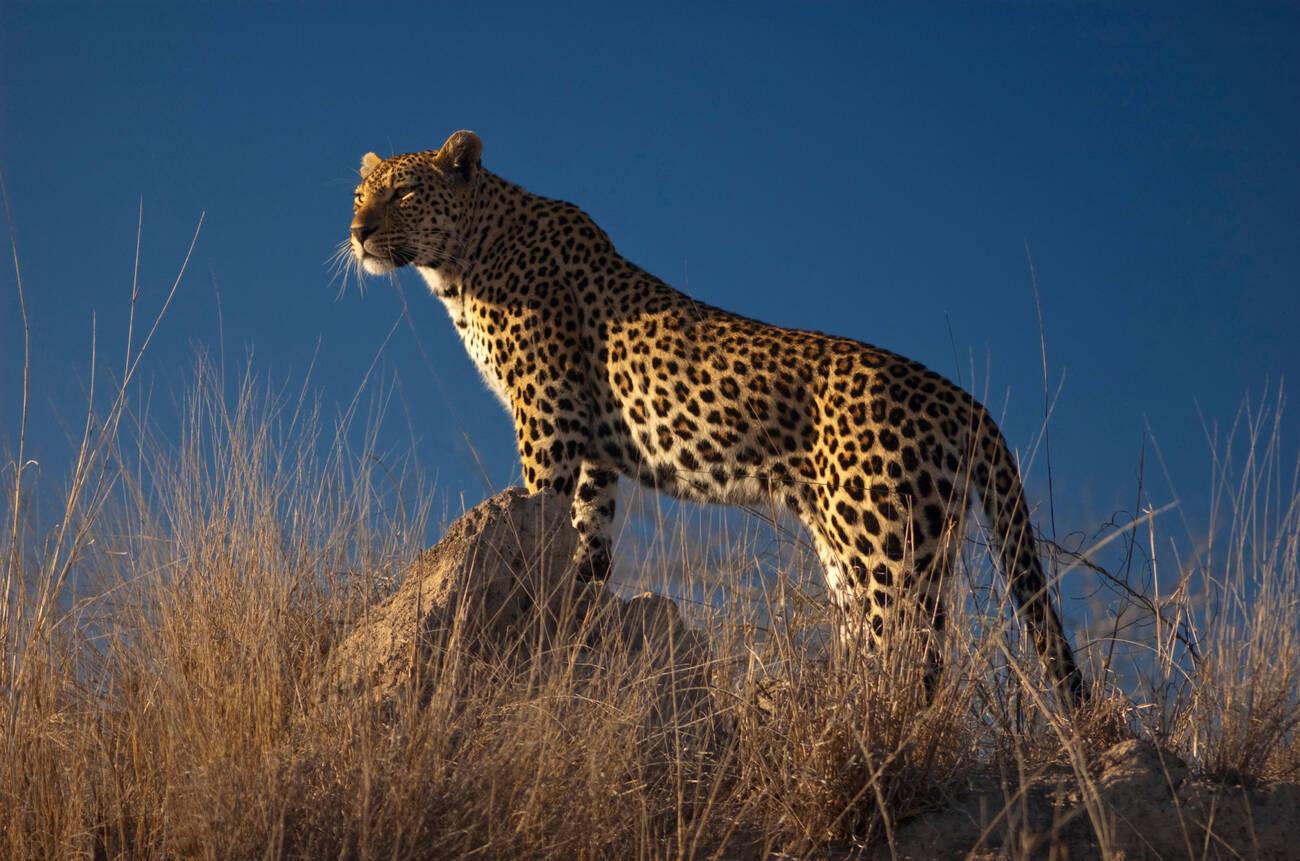
Predators include lions, leopards and spotted hyenas, while the park’s varied habitats support exceptional birdlife throughout the year.

Landscape and Vegetation

Tarangire’s scenery is one of its strongest features. The park combines open savannah, acacia woodland, seasonal swamps, river valleys and rocky areas, creating a landscape that changes noticeably as you move through it.

Its ancient baobab trees are especially distinctive. Their enormous trunks and sculptural shapes give Tarangire a character unlike any other park on the northern circuit and create beautiful settings for wildlife viewing and photography.

The Tarangire River

The Tarangire River is the lifeline of the park, particularly during the dry season when many surrounding water sources become scarce.

As wildlife gathers near the river, elephants, buffalo, antelope and other animals can often be seen drinking, feeding and moving along its banks. Predators also take advantage of these concentrations, making the river corridor one of the most rewarding areas for game viewing.

The river is one of the main reasons Tarangire becomes so impressive in the dry season — it brings wildlife together and gives the park much of its seasonal rhythm.

Safari Activities

Game Drives

Game drives are the main way to explore Tarangire National Park. With an experienced guide, guests travel through different habitats while looking for elephants, predators, antelope, birdlife and seasonal wildlife concentrations.

Early morning drives are especially rewarding because temperatures are cooler and wildlife is often more active. Afternoon drives offer softer light and a different rhythm as animals begin moving again toward the end of the day.

A full-day game drive gives more time to explore deeper into the park, follow wildlife movements and experience different areas without rushing.

Guided Walking Safaris

Available in designated areas with an authorised ranger, offering a closer look at tracks, plants, insects, smaller wildlife and the details often missed from a vehicle. 

Birdwatching

Tarangire is particularly rewarding for bird enthusiasts, with more than 500 recorded species across its wetlands, woodland and savannah habitats. 

Wildlife Photography

Large elephant herds, baobabs, river scenery and changing seasonal light make Tarangire especially strong for photography.

Hot-Air Balloon Safari

An optional sunrise experience offering an aerial perspective over Tarangire’s plains, river system and baobab-studded landscapes. 

Night Game Drives

Where available and arranged under park regulations, night drives reveal a different side of Tarangire and give guests the chance to look for nocturnal wildlife. 

Sundowners & Bush Meals

Selected safari arrangements can include a sundowner or bush meal, adding a slower, scenic element to the wildlife experience. 


Why Visit Tarangire National Park?

Tarangire is one of northern Tanzania’s most rewarding safari destinations for travellers who want excellent wildlife viewing, distinctive scenery and a slightly quieter atmosphere than some of the more heavily visited parks.

Its elephants are the headline attraction, but Tarangire offers much more. Ancient baobabs, the Tarangire River, seasonal wetlands and varied woodland create a rich mix of habitats that support predators, plains game, unusual antelope species and exceptional birdlife.

During the dry season, wildlife becomes increasingly concentrated around permanent water, creating some of the park’s most memorable game-viewing conditions. At the same time, the landscape itself remains a major part of the experience — wide, dramatic and unmistakably Tarangire.

GALLERY
Frequently Asked Questions (FAQs)

What is Tarangire National Park famous for?

Tarangire is best known for its large elephant herds, ancient baobab trees and the Tarangire River, which becomes an important gathering point for wildlife during the dry season.


When is the best time to visit Tarangire National Park?

The dry season, from June to October, is especially strong for wildlife viewing as animals concentrate around permanent water sources. The greener months offer lush scenery, excellent birdlife and a very different atmosphere.


Which animals can I see in Tarangire National Park?

Wildlife may include elephants, lions, leopards, giraffes, zebras, wildebeest, buffalo, impala, waterbuck, warthogs and baboons. Tarangire is also known for species such as greater kudu, fringe-eared oryx and gerenuk, together with very rich birdlife.


How do I get to Tarangire National Park?

Tarangire is about 120 kilometres southwest of Arusha and is usually reached by road in around 2½ to 3 hours, depending on traffic and road conditions. Scheduled and charter flights can also be arranged.


Is Tarangire National Park worth visiting?

Tarangire offers a combination of strong wildlife viewing, large elephant herds, baobab landscapes and a quieter safari atmosphere. It fits especially well into northern circuit itineraries alongside Lake Manyara, Ngorongoro and the Serengeti.

Plan Your Tarangire Safari

Tell us when you’d like to travel and how you’d like to experience Tarangire. We’ll shape the safari around your dates, group size and travel style.

Tarangire National Park

Chat with us on WhatsApp