Walk through the historic heart of Zanzibar, where carved doors, winding alleys, bustling markets and centuries of Swahili, Arab, Indian and European influence shape one of East Africa’s most distinctive towns.
Stone Town, Zanzibar
Swahili Culture, Historic Architecture, Markets & Local Life
Year-Round
Half Day
Stone Town is the historic and cultural heart of Zanzibar, shaped by centuries of trade, migration and cultural exchange. Its narrow streets, carved wooden doors, coral-stone buildings, markets and waterfront create one of the most distinctive urban experiences in East Africa.
Explore important sites such as the Old Fort, former sultanate buildings, historic houses and other landmarks that reveal Zanzibar’s layered past.
Walk through lively markets filled with spices, fresh produce, local foods and everyday activity, offering a closer look at daily life in Stone Town.
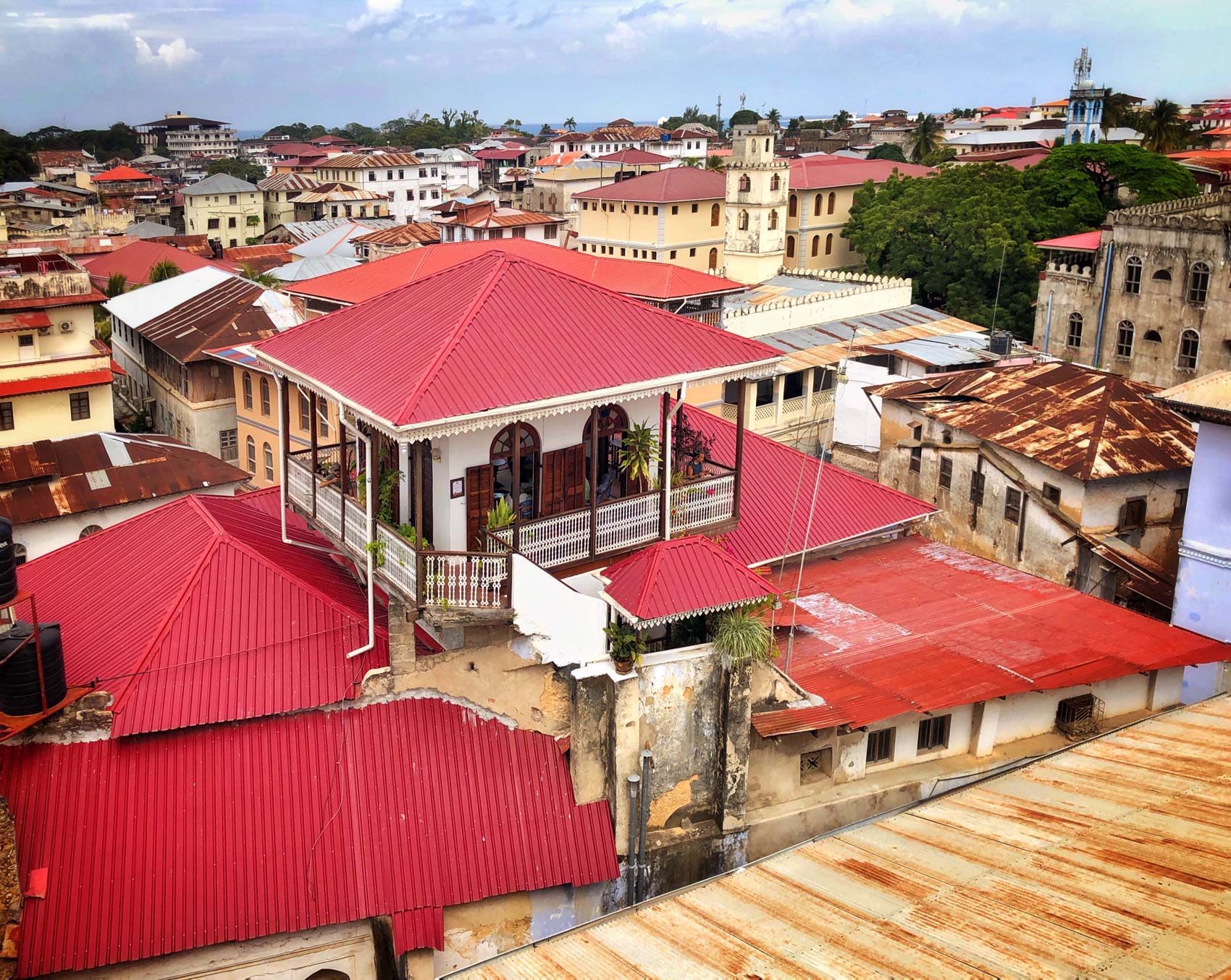
Stone Town’s maze of narrow alleys is lined with historic buildings, carved wooden doors, cafés, small shops and hidden courtyards that give the town its character.
Discover the blend of African, Arab, Indian and European influences that shaped Stone Town’s architecture, language, food and traditions.

Stone Town is the historic heart of Zanzibar, set along the Indian Ocean on the western side of Unguja Island. Its narrow lanes, coral-stone buildings, carved wooden doors, markets and waterfront tell the story of centuries of trade, migration and cultural exchange.
The town developed through strong African, Arab, Indian and European influences, which can still be seen in its architecture, food, language, religious sites and everyday life. This layered history is one of the reasons Stone Town was designated a UNESCO World Heritage Site.
A guided walk through Stone Town is not simply about seeing old buildings. It is about understanding how Zanzibar’s past still shapes the city today — from the markets and mosques to the courtyards, cafés, spice shops and family homes hidden behind its famous doors.
Stone Town is filled with historic buildings that reflect Zanzibar’s political, commercial, religious and maritime past. A guided walk helps connect these landmarks to the wider story of the town rather than treating them as isolated monuments.
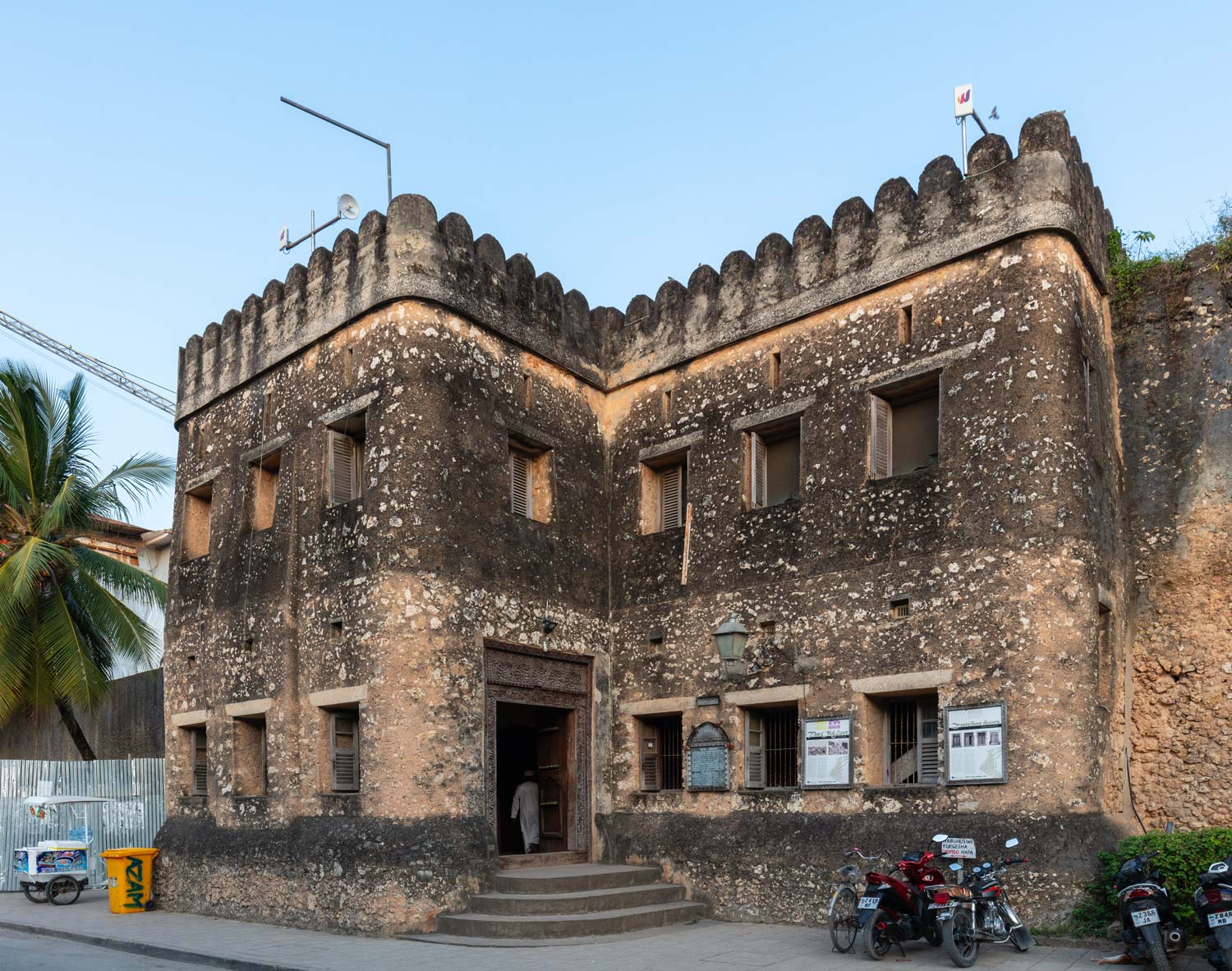
The Old Fort is one of Stone Town’s most recognisable structures, standing close to the waterfront. Today, its courtyards and surrounding spaces are used for cultural events, performances, shops and local activities, while the building itself remains an important reminder of Zanzibar’s defensive history.
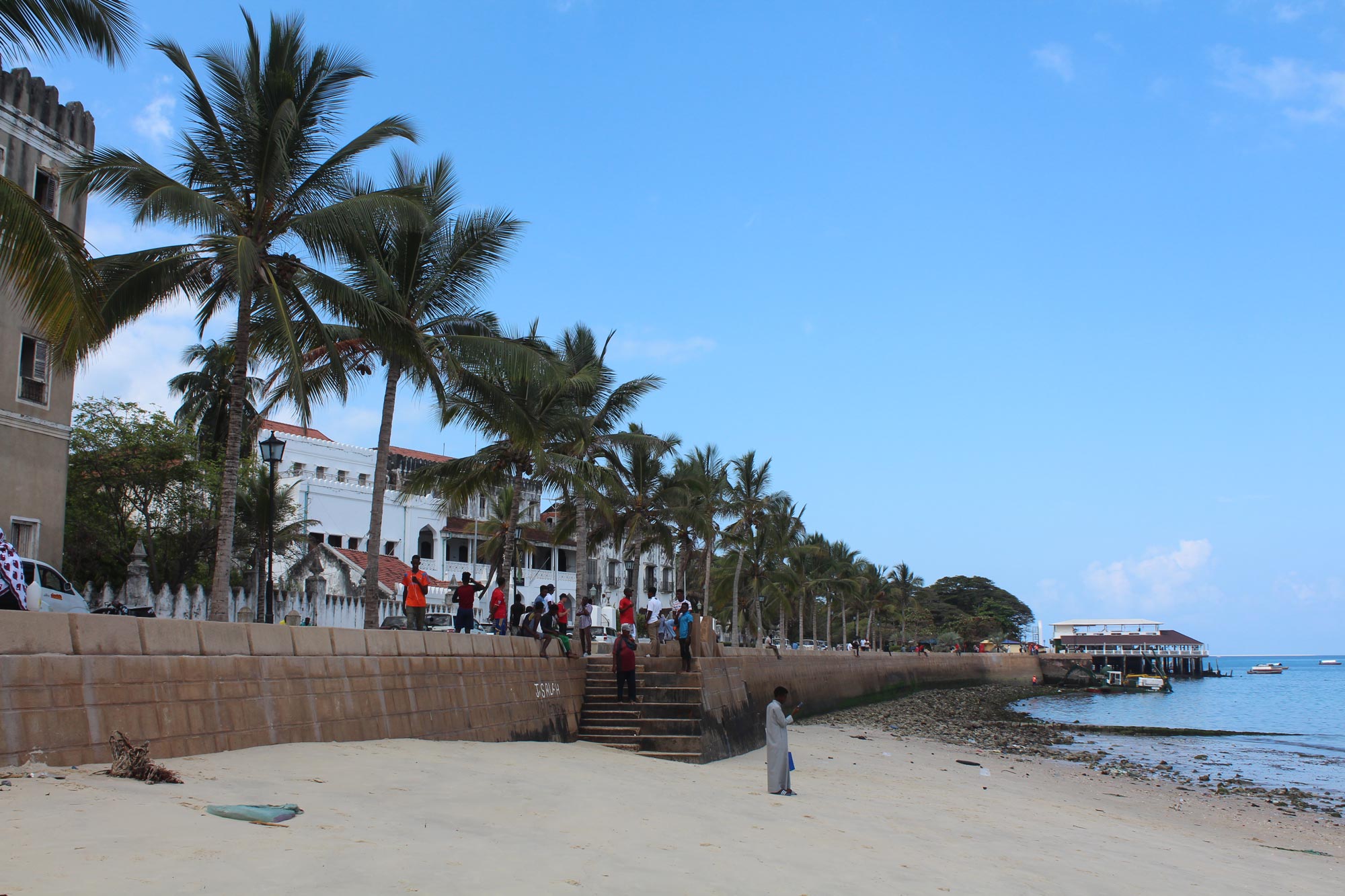
Nearby, the House of Wonders remains one of Stone Town’s most important historic landmarks. Its scale, waterfront position and connection to Zanzibar’s former sultanate make it an important part of the town’s architectural and political story.
Zanzibar grew into an important centre of Indian Ocean trade, linking East Africa with Arabia, India and other overseas trading networks. Spices such as cloves became closely associated with the island’s economy and identity, while trade also shaped Stone Town’s architecture, language, food and cultural traditions.
During the tour, your guide explains how these maritime connections helped shape the town and why Zanzibar became such an influential trading centre.
Spices remain part of everyday life on the island today, appearing in markets, kitchens, restaurants and local products. Understanding that history gives visitors a much deeper sense of why Zanzibar developed the cultural character it has today.
Stone Town offers one of the best introductions to Zanzibar’s Swahili culture. Its identity was shaped over centuries by African coastal traditions and long-standing connections across the Indian Ocean, creating a culture that is distinctly Zanzibari.
During the tour, guests can learn about local architecture, food, language, dress, religion and everyday customs. The value is not just in seeing historic buildings, but in understanding how those influences are still present in daily life today.
Walking through residential streets, markets and small local businesses gives the experience a more personal side, helping visitors see Stone Town as a living community rather than simply a historic attraction.

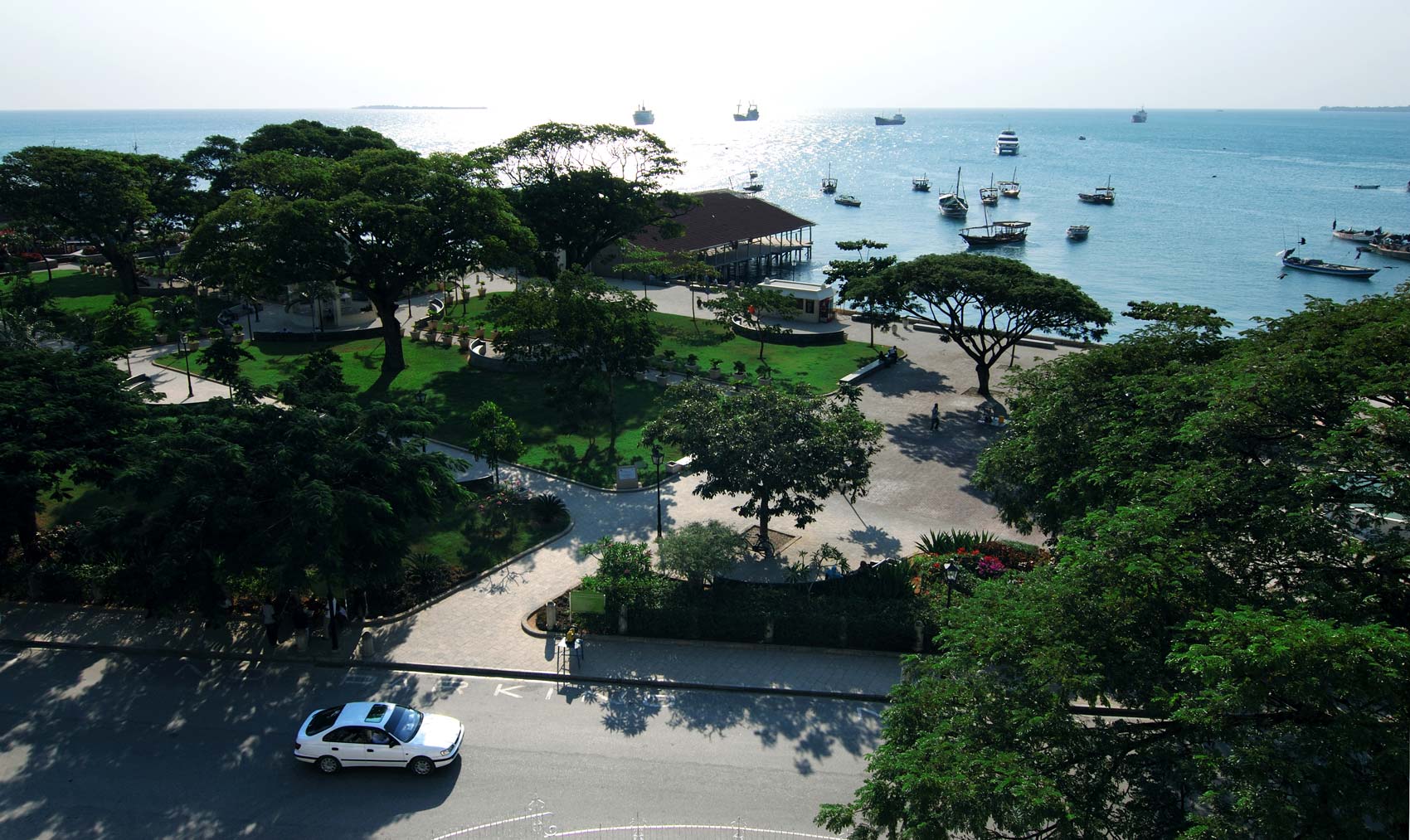
Forodhani Gardens sits along Stone Town’s waterfront, where the historic town opens onto the Indian Ocean. It is one of the best places to slow down, take in the harbour views and experience a more relaxed side of the city.
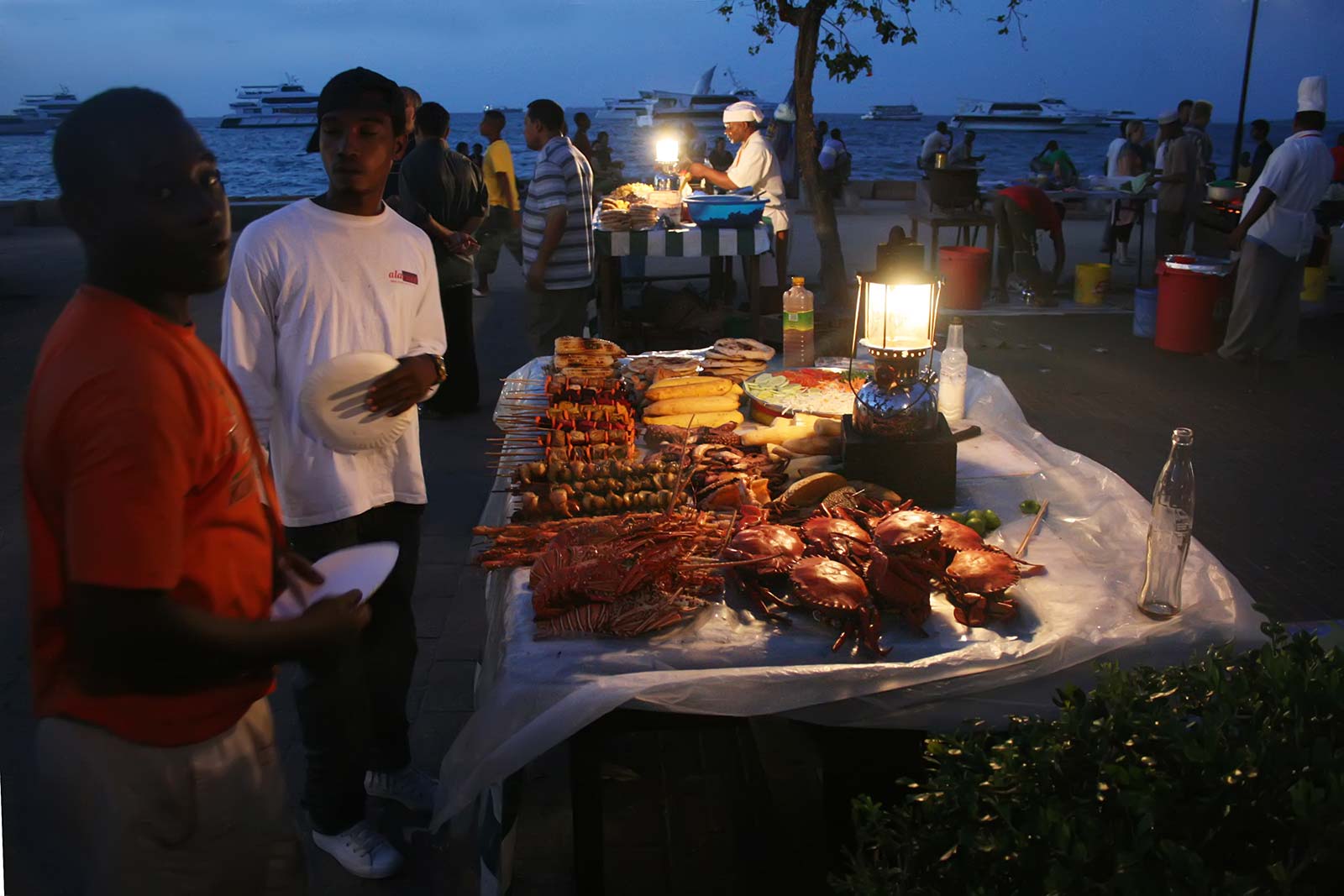
By evening, the gardens become one of Stone Town’s liveliest gathering places. Food stalls serve a mix of Zanzibari dishes, grilled seafood, skewers, fresh juices and local snacks as residents and visitors gather along the waterfront.
A visit here adds a completely different atmosphere to a Stone Town experience — less about monuments and more about everyday life, food and the energy of the city after sunset.
Stone Town is one of the best places to experience Zanzibar through its food. Local cuisine reflects the island’s long connection with Africa, Arabia, India and the wider Indian Ocean, creating flavours that are distinctly Zanzibari.
During the tour, guests can learn about ingredients such as coconut, seafood, rice, cassava, plantain, tropical fruit and locally grown spices. Depending on the experience, this may include visits to food markets, street-food areas or selected local restaurants.
Food here is more than part of the tour — it is another way to understand Zanzibar’s history. Many dishes, ingredients and cooking traditions reflect generations of cultural exchange and maritime trade.
A typical Stone Town tour includes a guided walk through the historic centre, visits to key landmarks, local markets and important cultural sites, together with explanations of Zanzibar’s history, architecture and everyday life.
Most Stone Town tours take around 2 to 4 hours, depending on the route, pace and stops included. A half-day experience is usually enough to explore the main highlights without feeling rushed.
Highlights can include the Old Fort, historic waterfront, carved Zanzibar doors, local markets, former sultanate buildings, religious sites and the narrow streets that give Stone Town its distinctive character.
Light, comfortable clothing and good walking shoes are recommended. Because Stone Town is a culturally conservative area, modest clothing that covers the shoulders and knees is the most respectful choice.
Yes. Stone Town works very well for families, couples and first-time visitors who want to understand Zanzibar beyond the beaches. The experience can be adjusted to suit different ages, interests and walking pace.
Tell us when you’d like to visit and how you’d like to experience Stone Town. We’ll tailor the tour around your interests, timing and pace.