A remote western Tanzania wilderness of vast floodplains, powerful wildlife encounters and remarkably few visitors.
Western Tanzania
Remote Game Drives & Wilderness Safari
June to October
3–4 Days Recommended
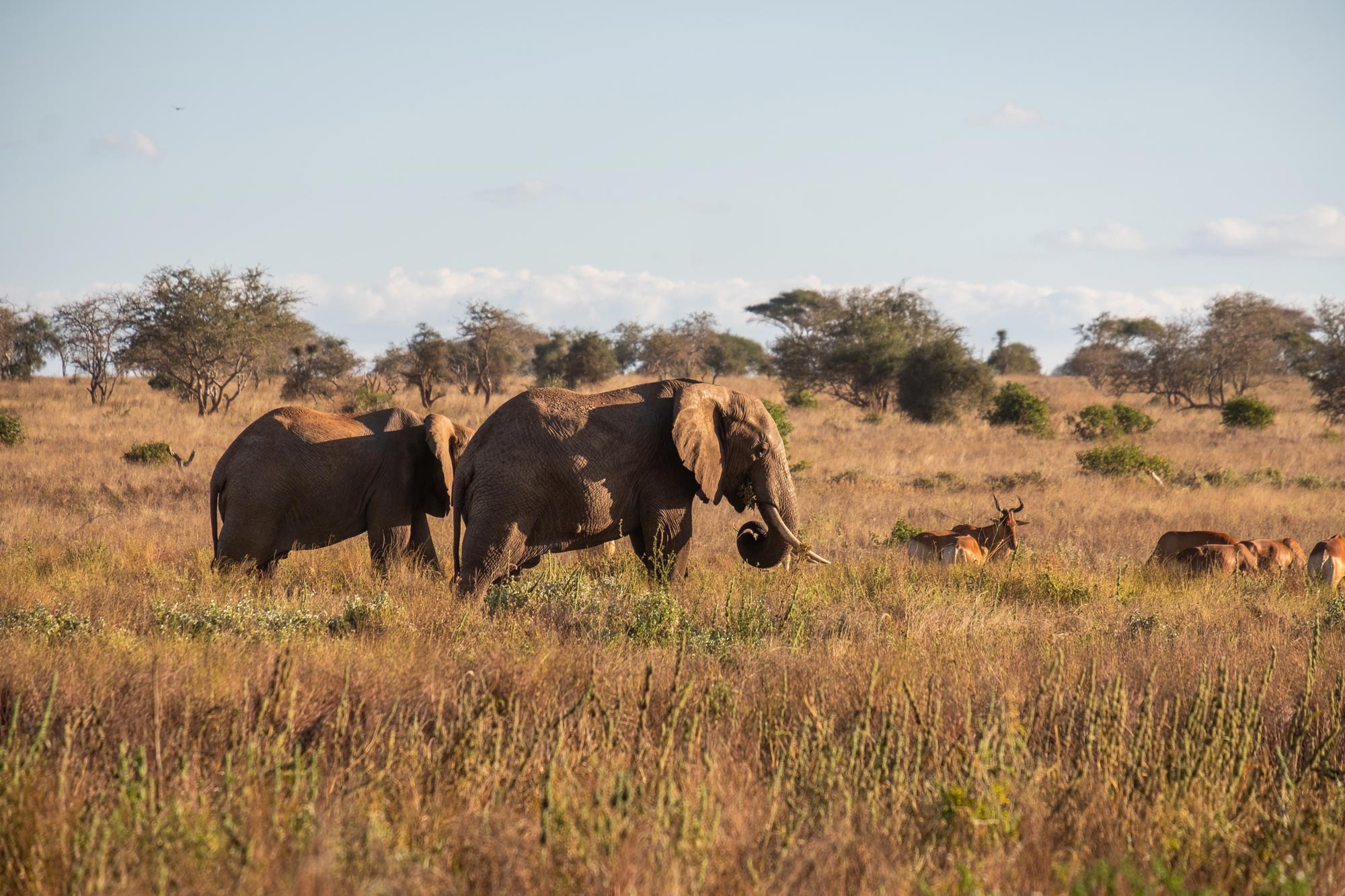
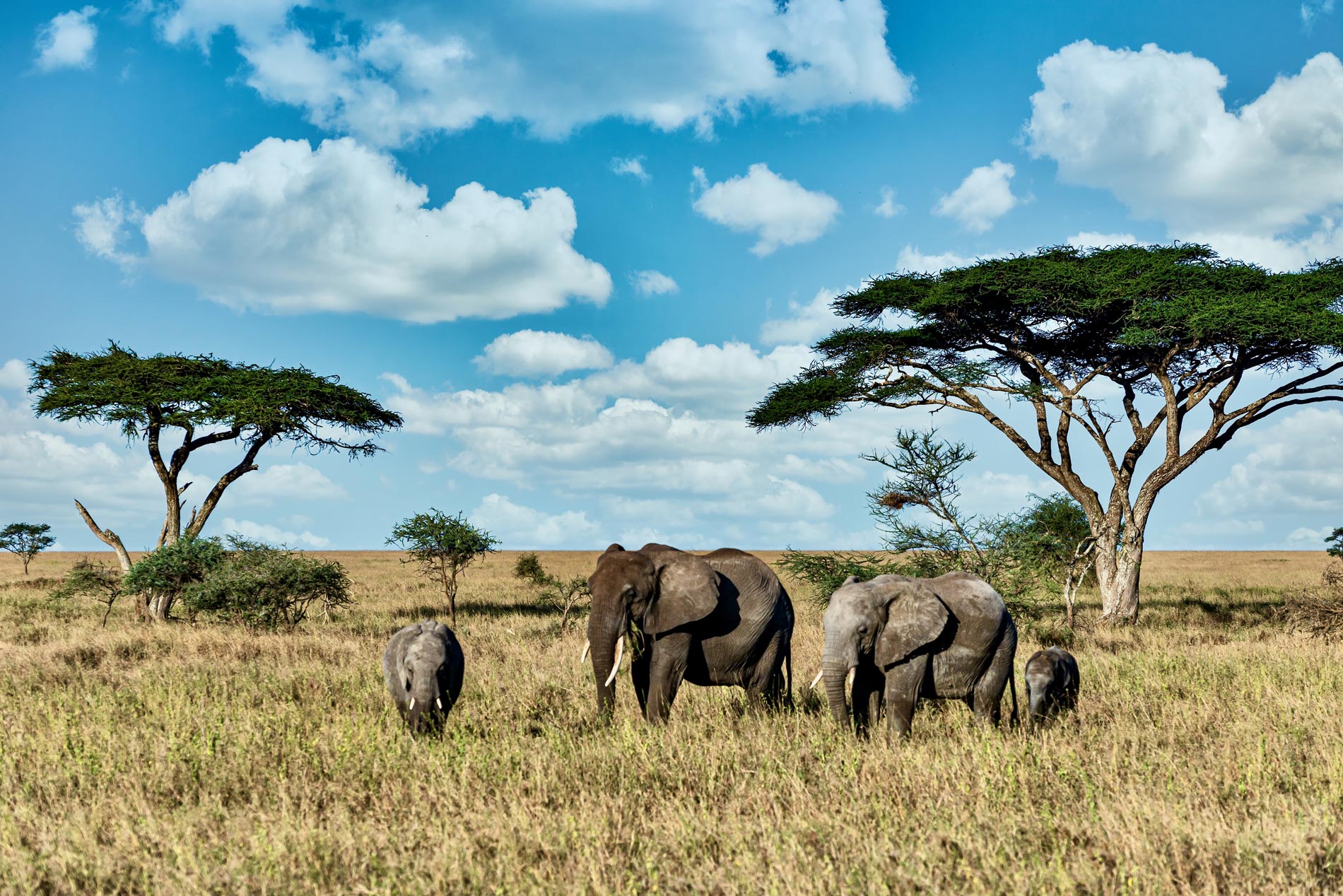
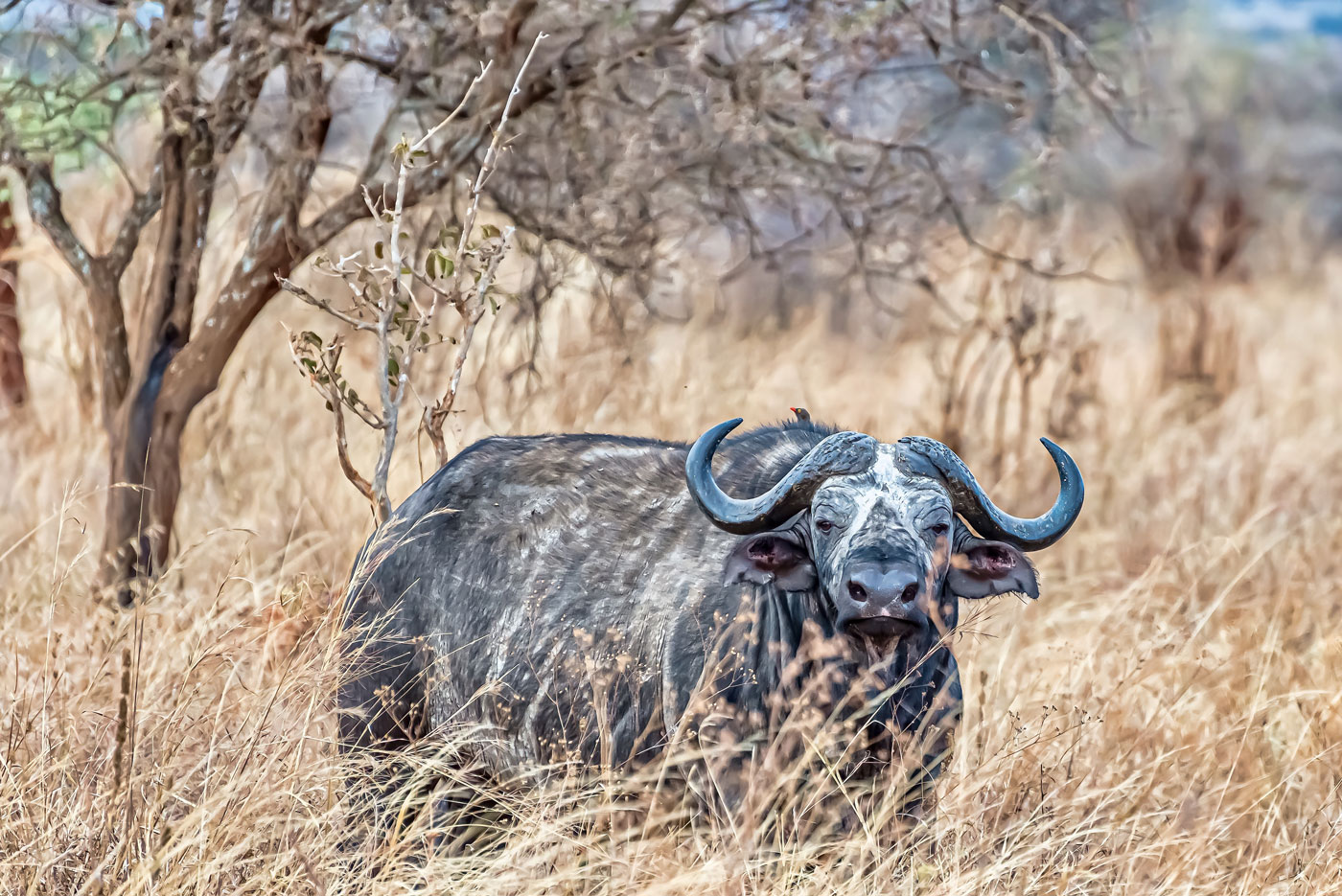
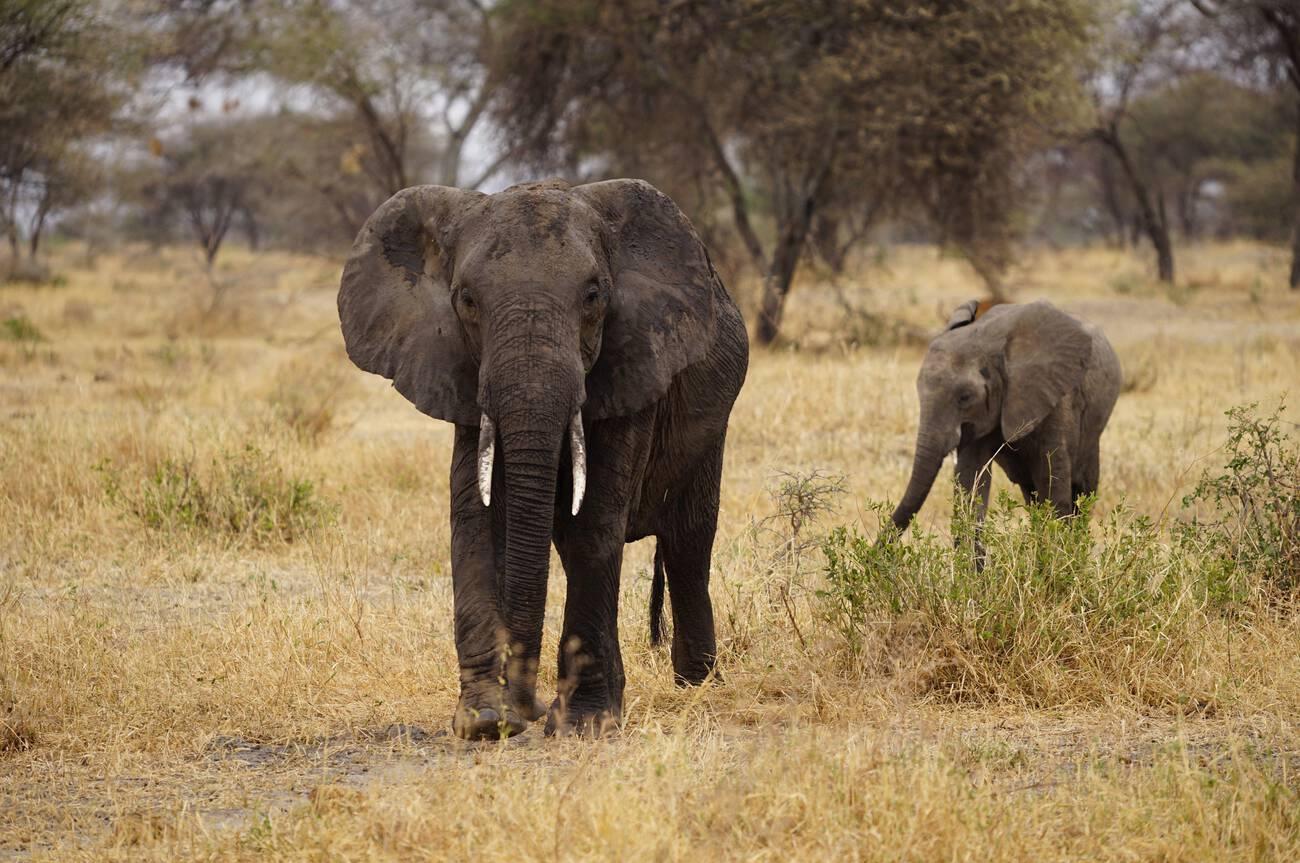
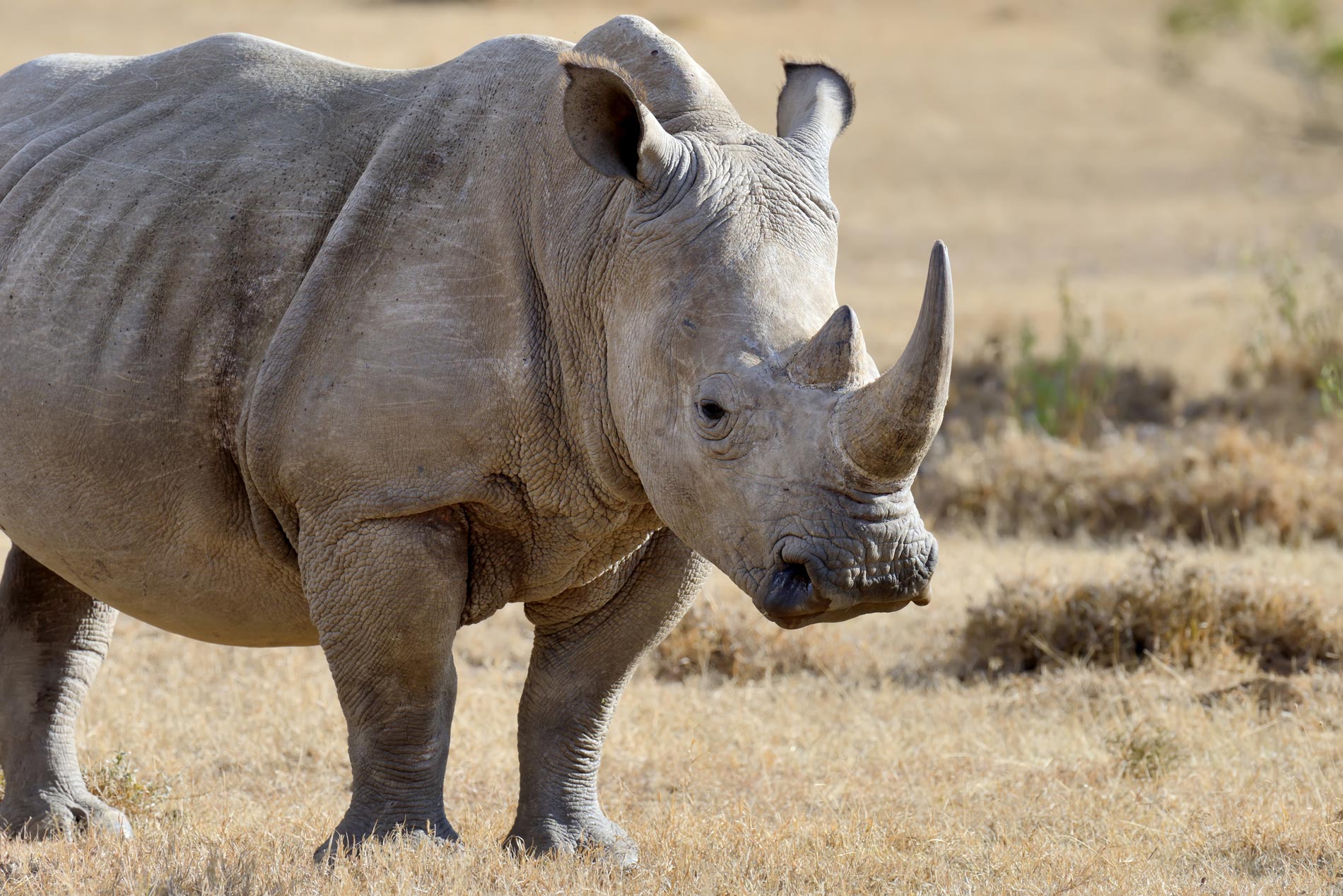
Katavi is known for impressive concentrations of buffalo, elephants and other plains game, especially during the dry season.
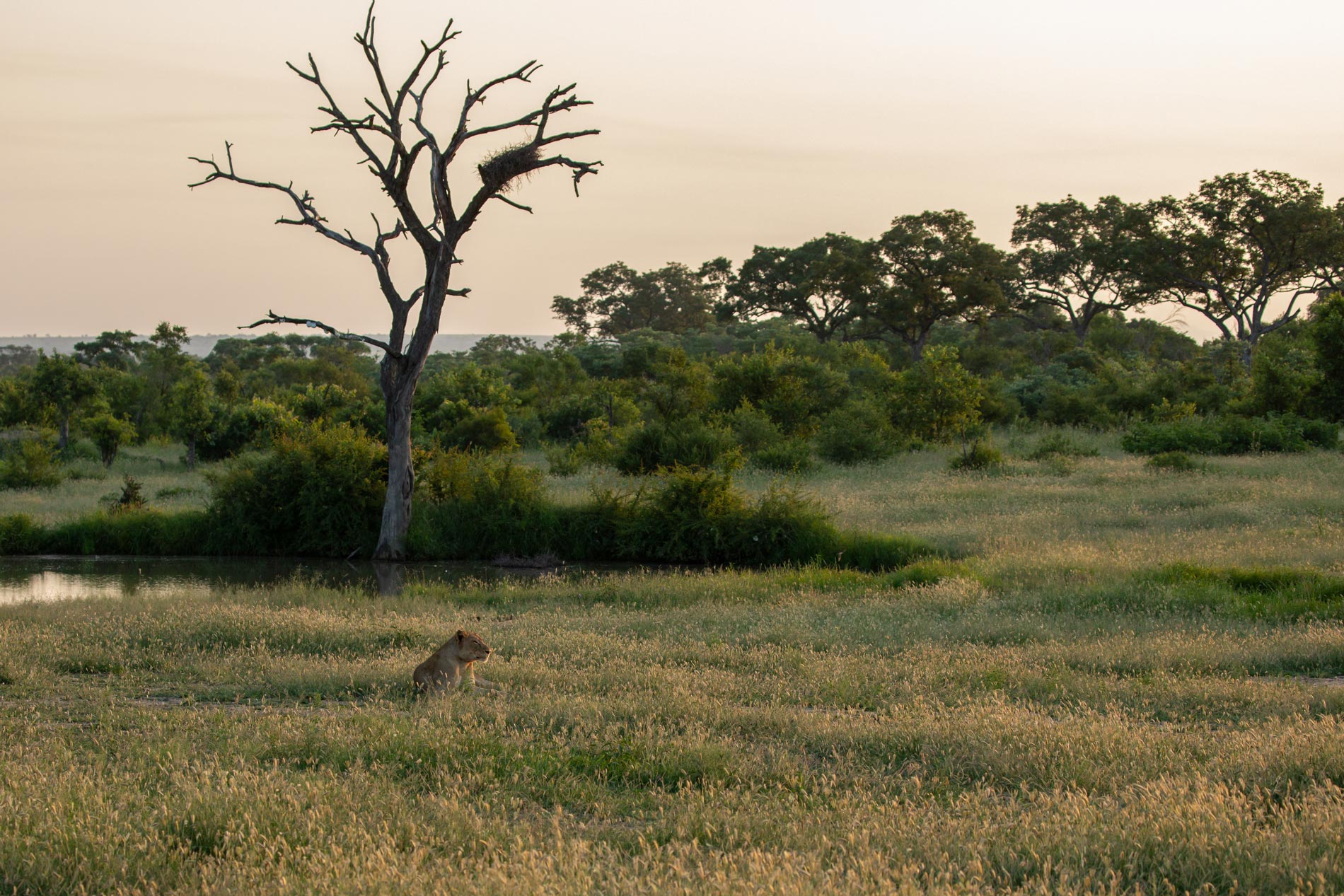
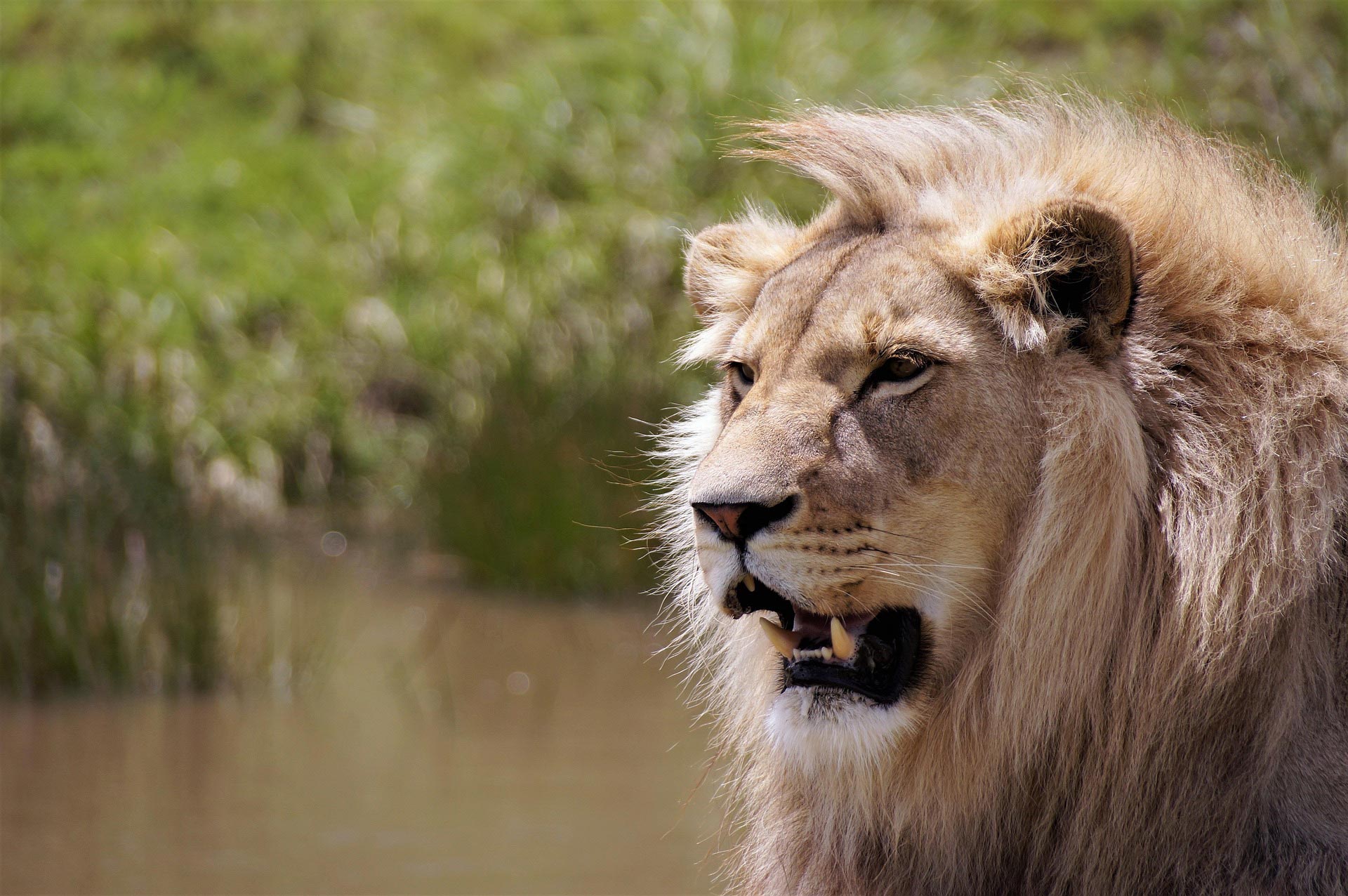
Lions and other predators are part of the experience, with fewer vehicles and a much quieter safari atmosphere than in Tanzania’s busier parks.
During the dry season, hippos gather around shrinking rivers and pools, creating some of Katavi’s most dramatic wildlife scenes.
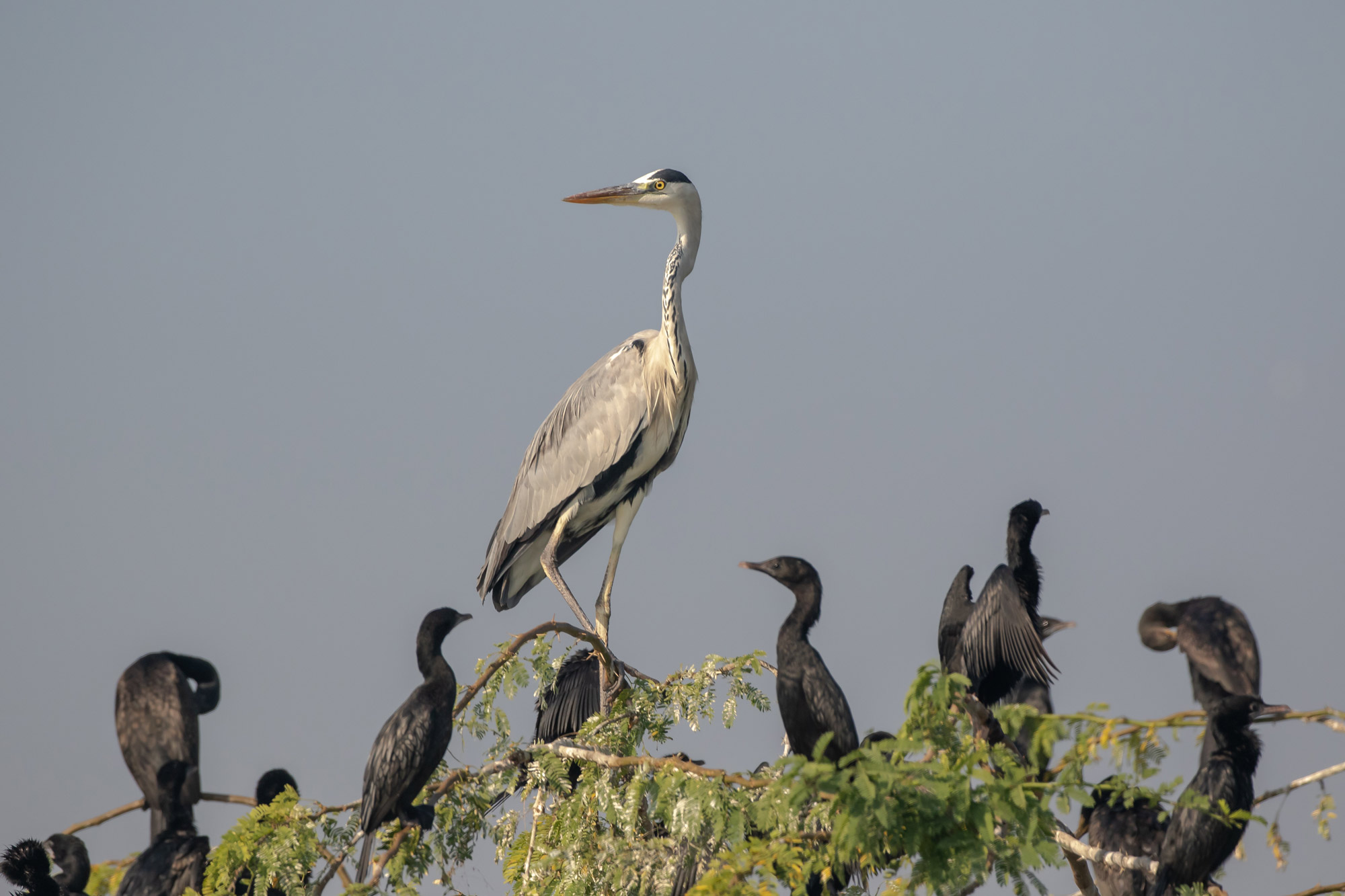
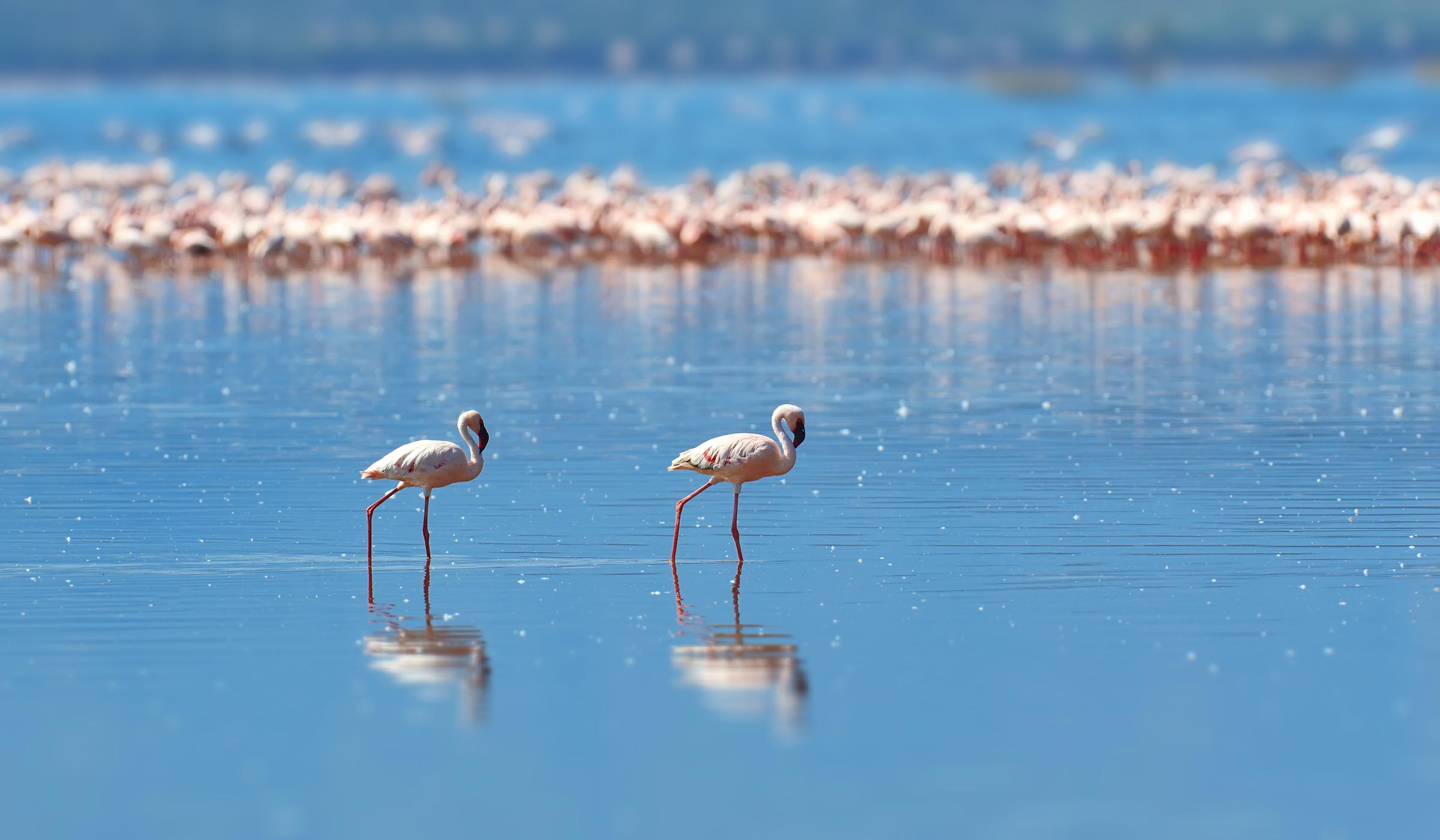
Wetlands, floodplains, woodland and river systems support a wide variety of bird species throughout the park.
Katavi National Park is one of Tanzania’s most remote and rewarding safari destinations, set deep in the west of the country and far from the busier safari circuits.
Its landscapes are broad and dramatic, combining seasonal floodplains, miombo woodland, rivers and open plains that support large concentrations of wildlife, particularly during the dry season.
What sets Katavi apart is the sense of space. Game drives can pass through long stretches of wilderness with very few other vehicles around, creating a safari experience that feels private, raw and genuinely remote.
During the drier months, wildlife gathers around shrinking rivers and seasonal pools, bringing buffalo, elephants, hippos, antelope and predators into closer proximity.
Katavi is not the easiest park to reach, but that is part of its character. For travellers looking beyond the classic northern circuit, it offers a quieter and more adventurous side of Tanzania.
Katisunga Plain
Katisunga Plain is one of Katavi’s key wildlife areas — a broad open landscape where animals become increasingly concentrated as the dry season progresses.
The wide views make it especially rewarding for spotting buffalo, elephants, zebra, giraffes and predators moving across the plains.
Katuma River
The Katuma River is one of the park’s most important water sources and becomes a major gathering point during the dry season.
Hippos, crocodiles, elephants, buffalo and other wildlife are drawn to the river and remaining pools, while the surrounding vegetation supports rich birdlife.
Seasonal Floodplains
Katavi changes dramatically with the seasons.
During the rains, water spreads across large areas and the landscape becomes lush and productive. As the dry season takes hold, water retreats and wildlife becomes increasingly concentrated around the remaining rivers, pools and wetlands.
That seasonal rhythm is a major part of what makes Katavi so dynamic.
Miombo Woodlands
Large areas of Katavi are covered in miombo woodland, creating a quieter contrast to the open floodplains.
These wooded areas provide shelter and feeding habitat for a wide range of mammals and birds, while also offering a different style of wildlife viewing away from the more open landscapes.

Game Drives
Game drives are the main way to explore Katavi’s floodplains, rivers, woodland and seasonal water sources.
Your guide can adapt the route around recent wildlife movement, water availability and the conditions of the day, giving the experience a more flexible and responsive feel.
Wildlife Photography
Katavi is especially rewarding for photography because of its wide landscapes, low vehicle traffic and strong dry-season wildlife concentrations.
Buffalo, elephants, hippos, lions, giraffes and birdlife provide a wide range of subjects, while early morning and late afternoon often bring softer light and cooler conditions.
Birdwatching
The park’s wetlands, rivers, floodplains and woodland support rich birdlife throughout the year.
Guests with a particular interest in birds can slow the pace of the safari and spend more time around habitats where activity is strongest.
Depending on the camp, location and current park regulations, additional guided nature experiences may be available in designated areas.
These can offer a closer look at tracks, plants, smaller wildlife and the details that are easy to miss from a vehicle.
Katavi is remote, so planning ahead matters. Flights and accommodation are limited compared with Tanzania’s northern safari circuit, especially during peak travel months.
Pack lightweight safari clothing, a warm layer for early mornings, sun protection, insect repellent and comfortable footwear. Binoculars and a good camera are especially worthwhile here because of the park’s wide landscapes and strong wildlife viewing.
Game drives can cover long distances through remote terrain, so expect a slower, more wilderness-focused experience than in busier parks.
During the rainy season, access and camp operations can vary, so current conditions should be checked before travel.
Katavi also combines well with Mahale Mountains for travellers looking to experience both remote wildlife and chimpanzee trekking in western Tanzania.
Katavi is known for its remote wilderness, broad floodplains and strong dry-season wildlife concentrations. Large herds of buffalo, elephants, hippos and other animals gather around shrinking rivers and seasonal pools, often with very few other safari vehicles nearby.
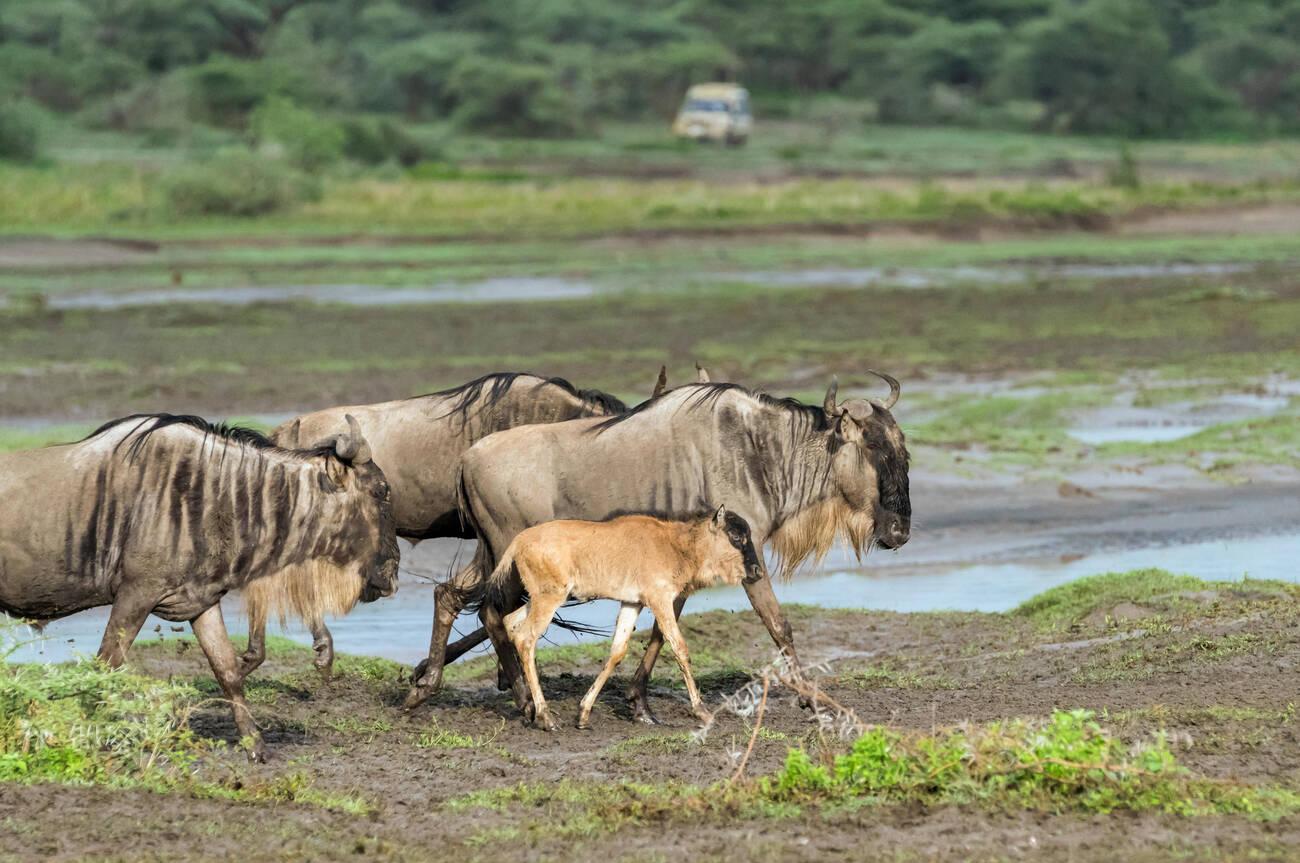
Wildlife can include buffalo, elephants, hippos, giraffes, zebra, antelope, lions, crocodiles and a wide variety of birdlife. Sightings vary by season and location, with the dry months generally concentrating more animals around water.
June to October is generally the most popular period, with drier conditions, easier access and strong wildlife concentrations around remaining water sources
The greener months bring a very different landscape, but some camps, roads and flight schedules can be more limited.
Most travellers reach Katavi by scheduled or charter flight because of its remote location in western Tanzania.
It can also be reached overland, but driving distances are long, so flying is usually the more practical option for safari itineraries.
Katavi is especially rewarding for travellers who value remoteness, low visitor numbers and a stronger sense of wilderness.
It is less convenient than Tanzania’s northern parks, but that extra effort is exactly what helps preserve its quieter, more exclusive character.
Tell us when you’d like to travel and how you want to experience Katavi. We’ll help shape the flights, accommodation, safari days and any western Tanzania extensions around your plans.