A quieter northern Tanzania wilderness known for open landscapes, rare antelope, strong conservation work and the chance to experience a very different side of safari.
Northern Tanzania
Elephants, Gerenuk, Oryx, Zebra, Giraffe, Predators & More
June to October
1–2 Nights
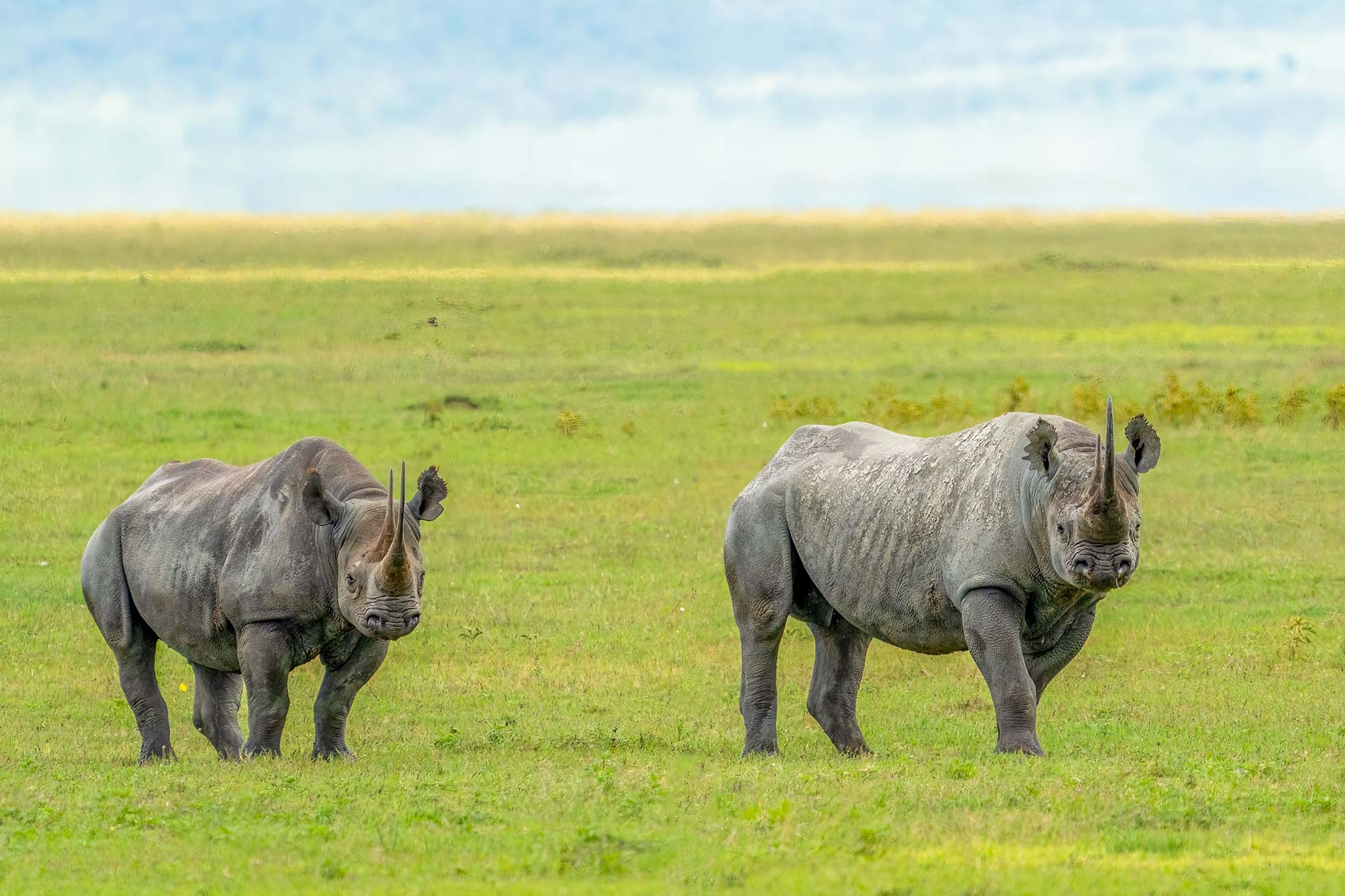
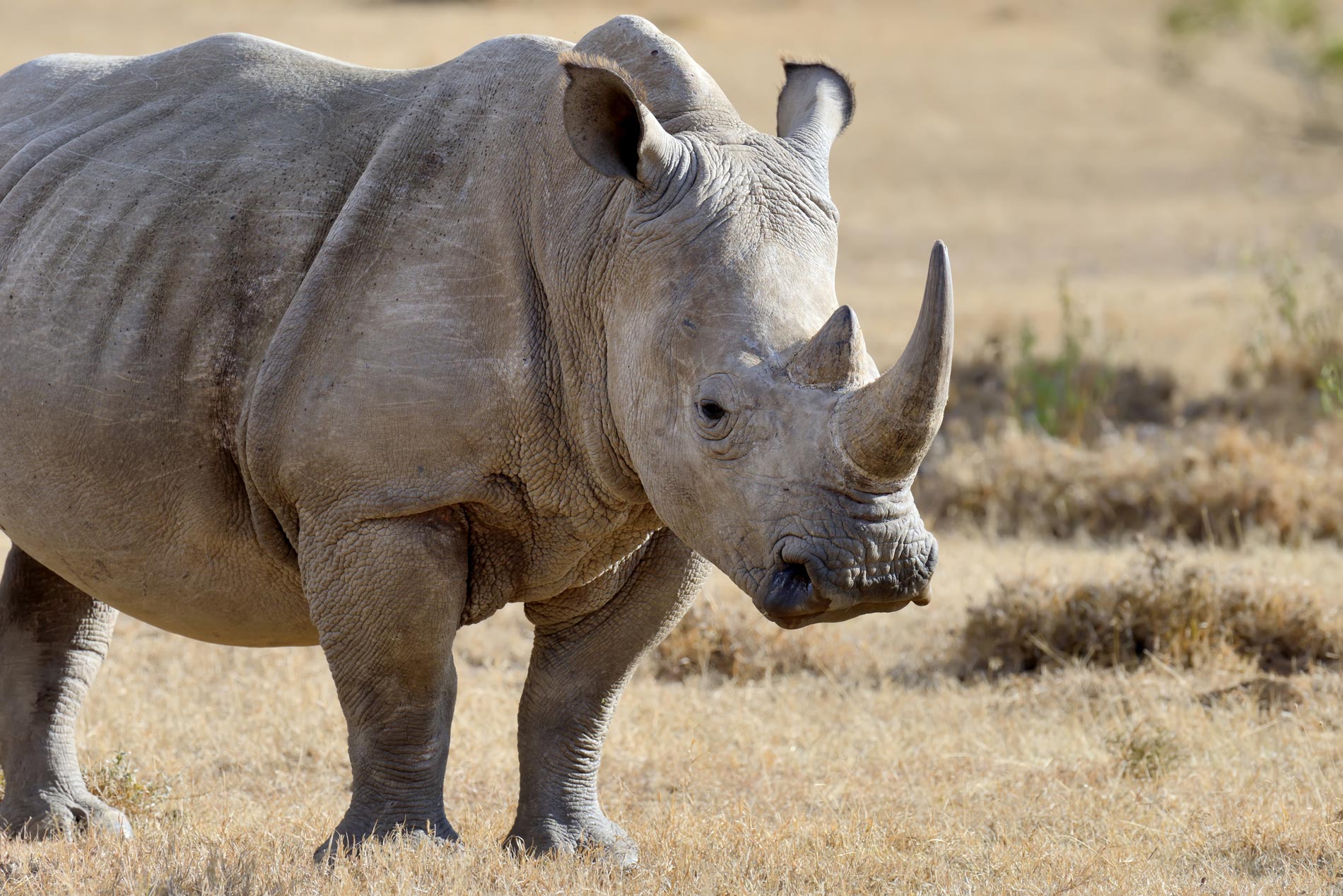
Mkomazi is closely associated with black rhino conservation, with protected areas dedicated to safeguarding this critically endangered species.
The park is known for species that are less commonly seen on Tanzania’s better-known northern routes, including gerenuk, oryx and other dry-country wildlife.
Dry savannah, bushland, mountain backdrops and broad open spaces give Mkomazi a very different visual character from Serengeti or Ngorongoro.
Lower visitor numbers create a calmer, more private atmosphere for travellers who prefer less crowded game drives and a slower pace.
Mkomazi National Park lies in northeastern Tanzania, close to the Kenyan border, where dry savannah, open plains, rocky hills and mountain backdrops create a landscape very different from the country’s better-known northern parks.
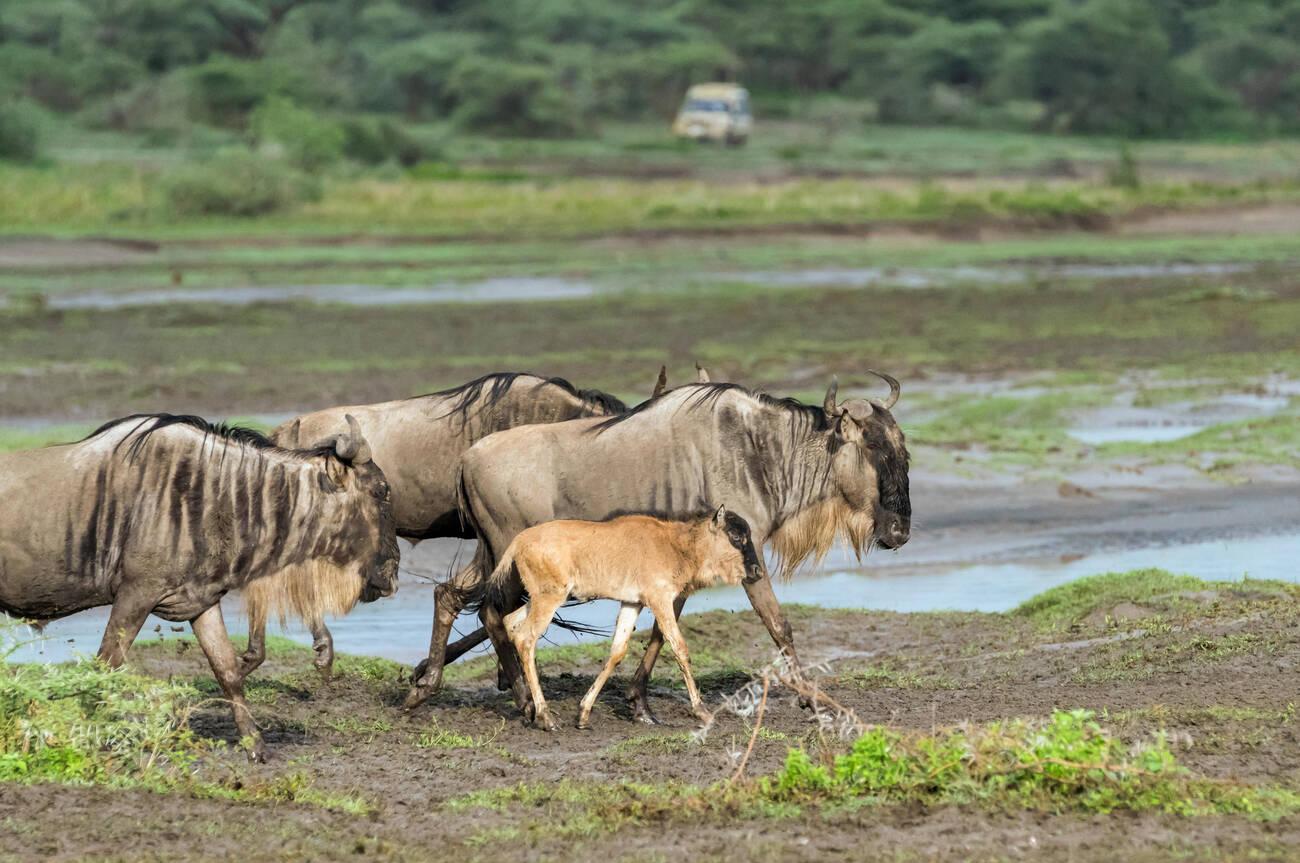
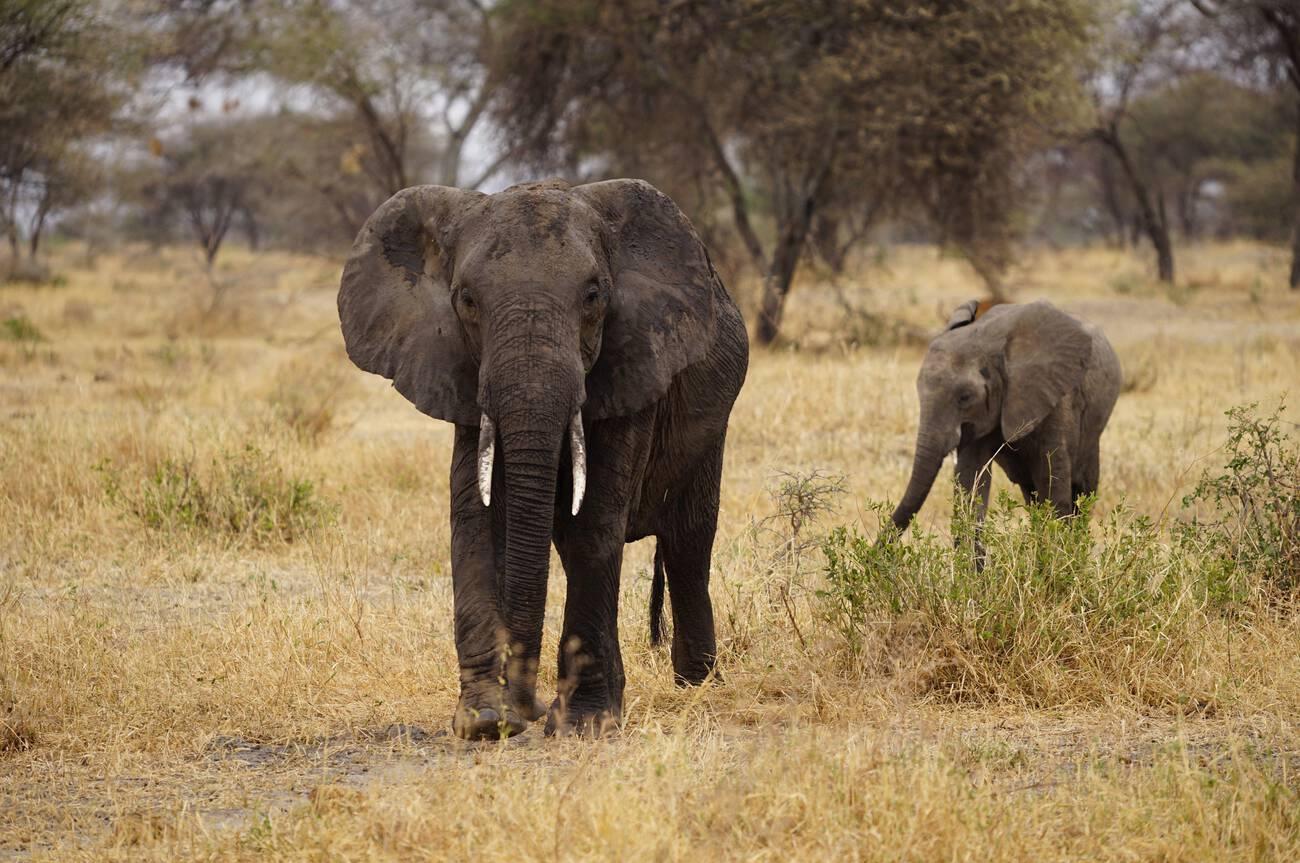
The park forms part of a wider cross-border ecosystem connected with Tsavo in Kenya, allowing wildlife to move through a large and relatively dry wilderness area. Elephants, giraffes, zebras, buffalo and several dry-country antelope species are among the animals that can be encountered here.
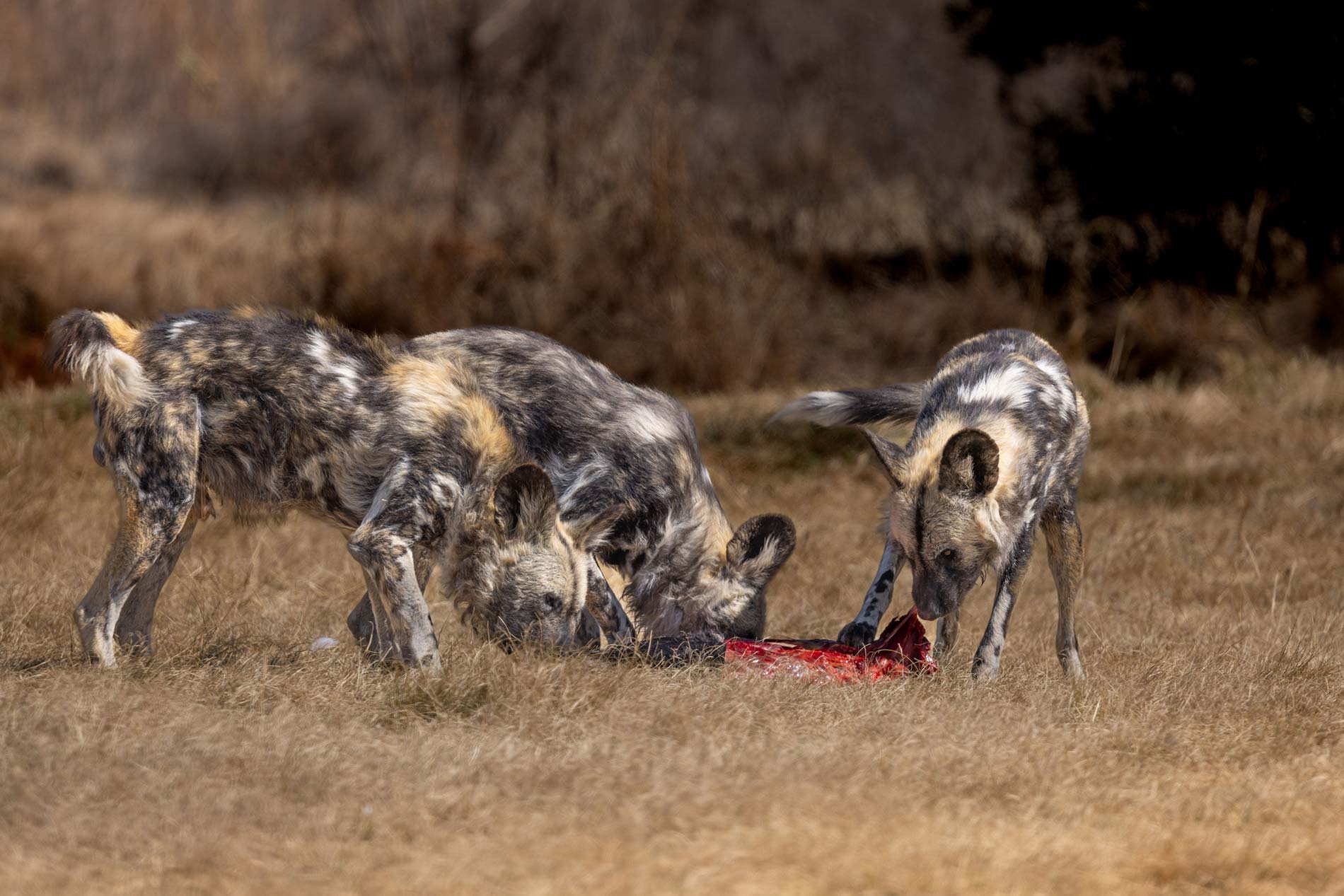
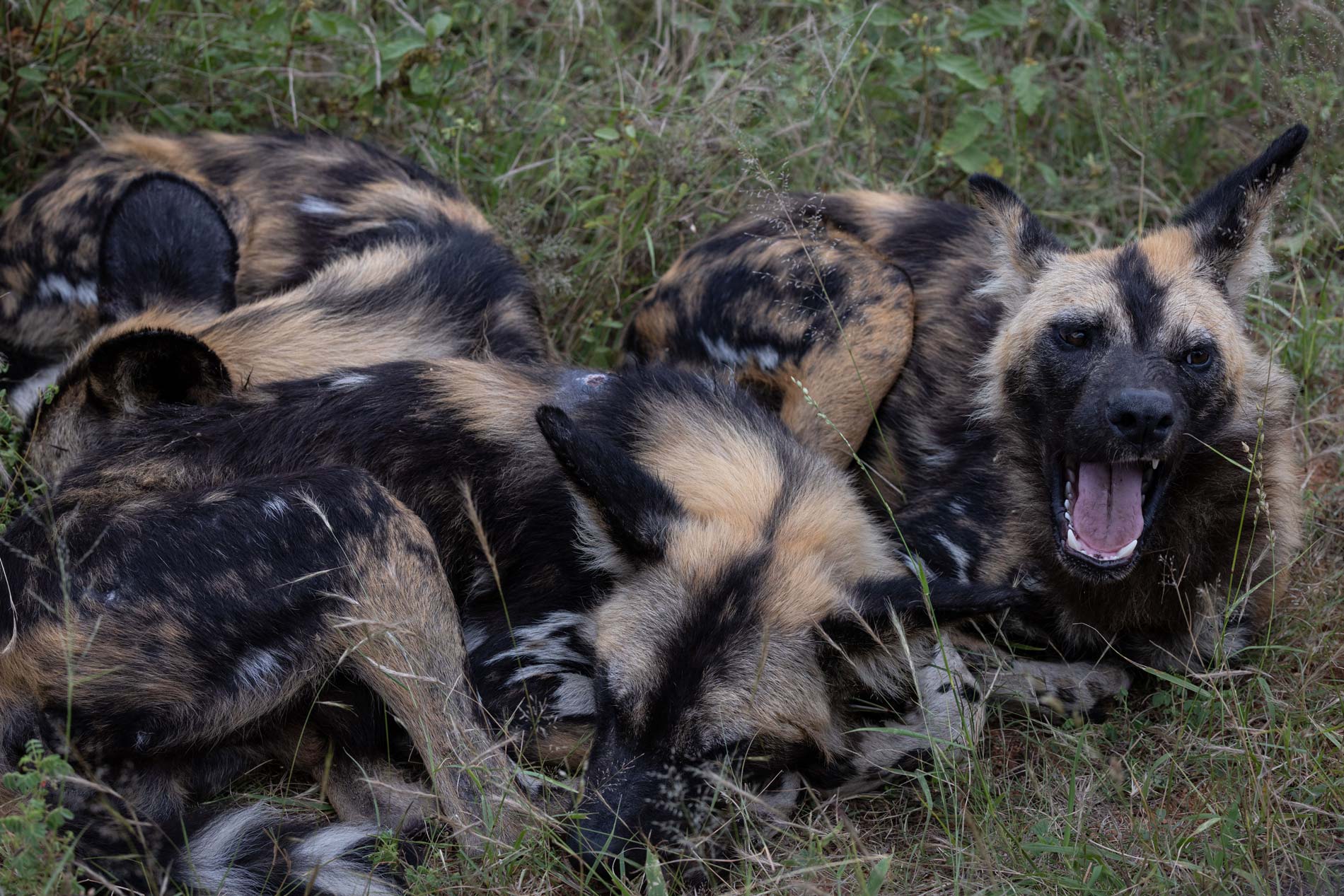
Mkomazi is also closely associated with important conservation work, particularly the protection of black rhinos and African wild dogs. These conservation efforts are a major part of the park’s identity and give the destination more depth than a standard game-drive experience.
What makes Mkomazi especially appealing is its quieter atmosphere. Visitor numbers are generally lower than in places such as Serengeti or Ngorongoro, so game drives can feel slower, more private and more focused on the landscape as a whole.
For travellers looking for a less familiar side of northern Tanzania — one that combines wildlife, conservation and wide-open scenery — Mkomazi offers something genuinely different.

Mkomazi offers a quieter, more understated safari experience than Tanzania’s better-known northern parks. Its dry savannah, open plains, mountain views and distinctive wildlife give the park a character of its own.
The park’s connection with the wider Tsavo ecosystem also adds ecological importance, while its conservation story — particularly around black rhinos and African wild dogs — gives the destination more depth than a standard game-drive stop.
Mkomazi works especially well for travellers who value space, scenery and conservation, and for those looking to explore a less familiar side of northern Tanzania.
The Pare Mountains form a dramatic backdrop to parts of Mkomazi and help give the park its distinctive sense of place.
For travellers with more time, a Mkomazi safari can be combined with nearby mountain scenery, village experiences and nature-based activities, creating a broader northeastern Tanzania journey beyond the national park itself.
Mkomazi is about space, quiet game drives and the feeling of exploring somewhere less travelled.
The open terrain allows for wide views across the landscape, while dry-country species, elephants, giraffes, zebras and predators add variety to the wildlife experience.
What makes the park different is not sheer wildlife density, but the atmosphere — fewer vehicles, broader horizons and a stronger sense of wilderness.
For travellers who enjoy conservation, photography and a slower safari pace, Mkomazi can be one of the most distinctive stops in northern Tanzania.
Mkomazi forms part of a wider cross-border ecosystem linked with Kenya’s Tsavo landscape. Wildlife moves across this broader region, making the connection between protected areas important for maintaining habitat and natural movement routes.
This wider ecological setting gives Mkomazi importance beyond its own boundaries and helps explain the park’s strong conservation identity.
Game Drives
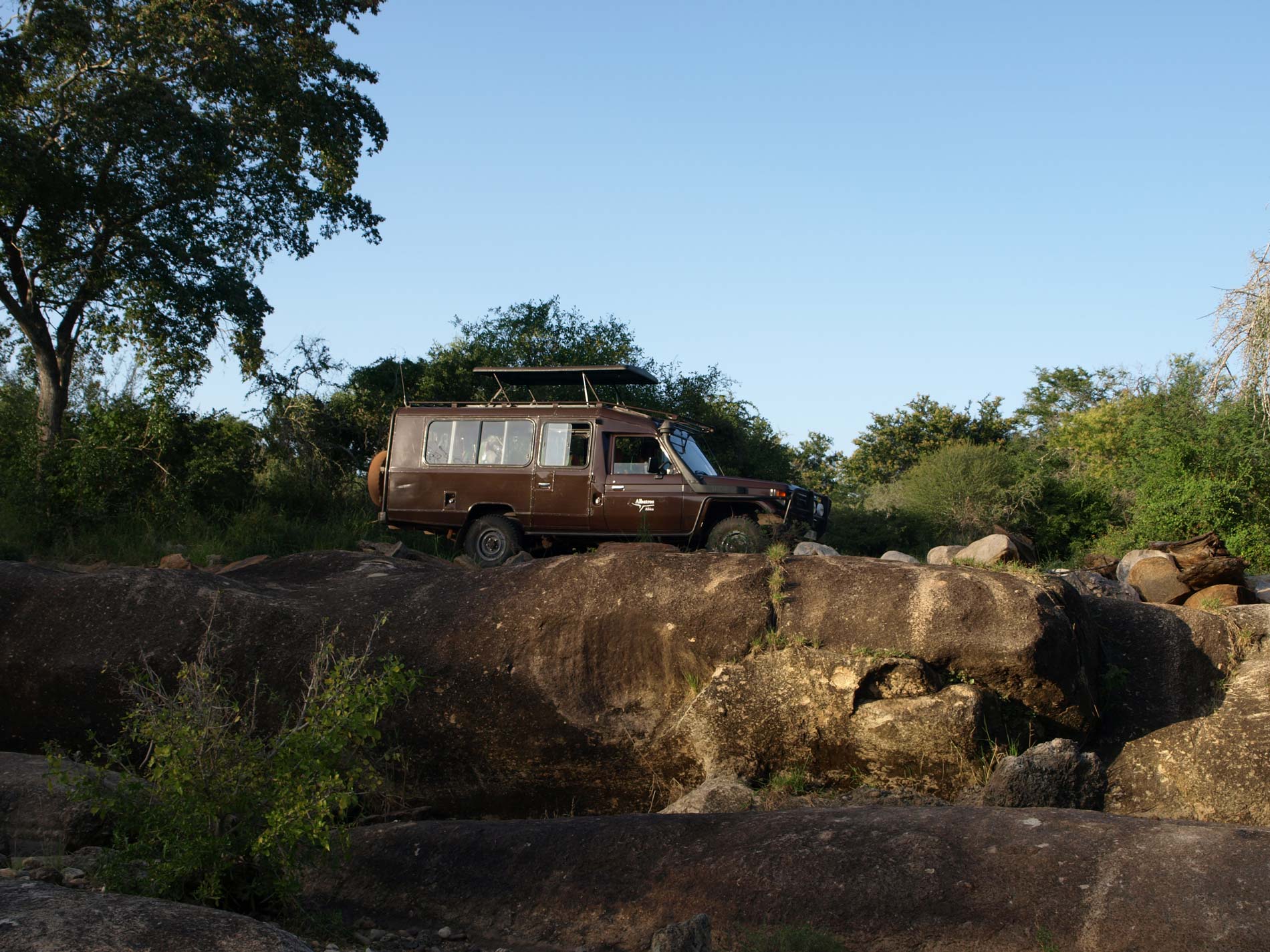
Game drives are the main way to explore Mkomazi, taking guests across open plains, dry woodland, rocky terrain and seasonal water areas in search of wildlife.
Rhino Conservation Experience
Where access is permitted and arrangements are available, guests may have the opportunity to learn more about Mkomazi’s black rhino conservation work. I’d phrase this carefully so it doesn’t sound like a guaranteed rhino sighting.
Birdwatching
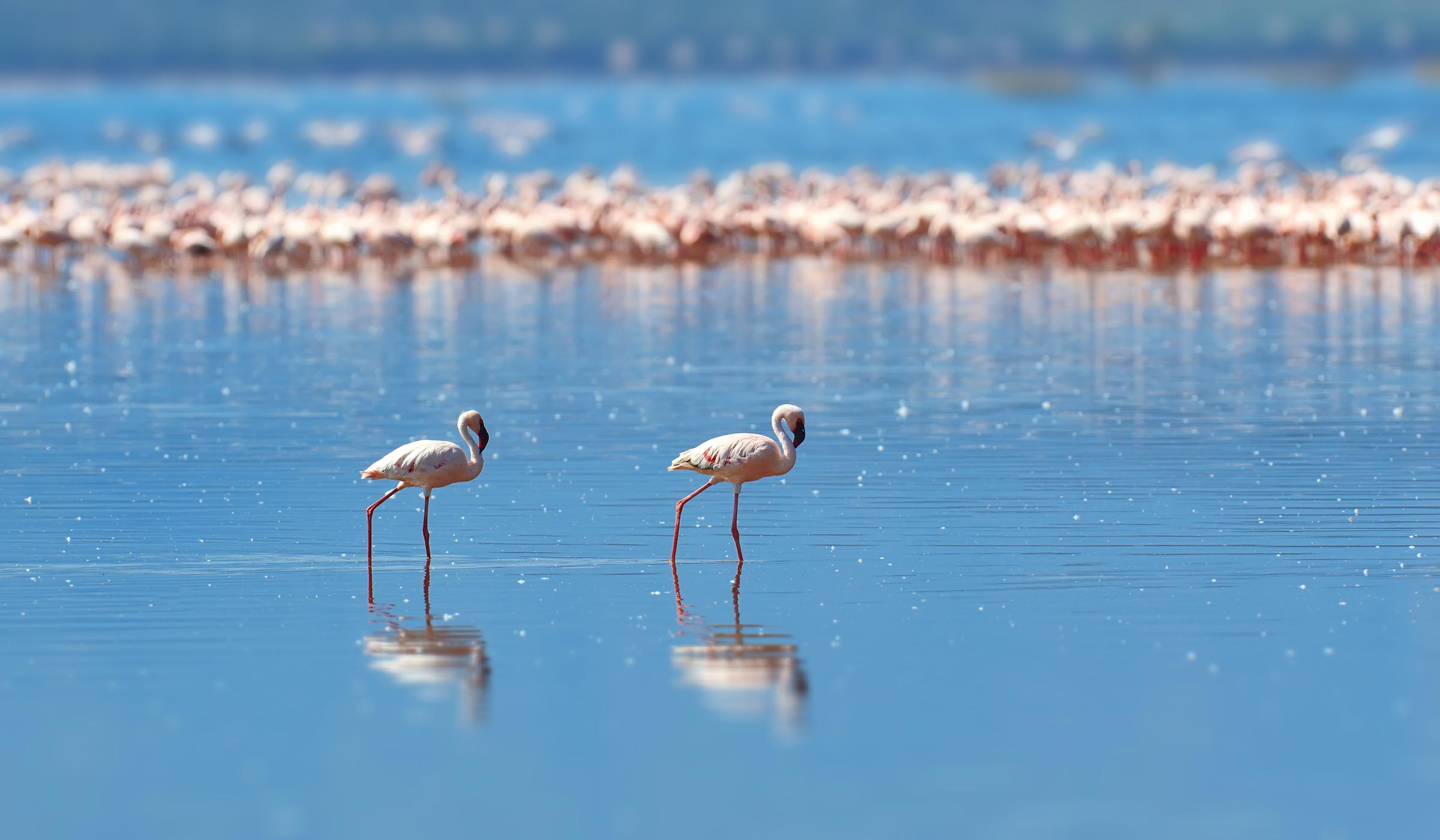
The park’s dry-country habitats support a wide variety of birdlife, making Mkomazi rewarding for both casual birdwatchers and more serious enthusiasts.
Photography
Wide landscapes, mountain backdrops, dry savannah and lower vehicle numbers make Mkomazi particularly appealing for travellers who enjoy landscape and wildlife photography.
Mkomazi is known for its dry savannah landscapes, quieter safari atmosphere, distinctive wildlife and important conservation work. It is especially associated with black rhino protection and species adapted to drier environments.
Wildlife can include elephants, giraffes, zebras, buffalo, gerenuk, oryx, lesser kudu and a variety of predators and birdlife. Sightings vary by season, location and luck, which is part of the character of a wilder, less crowded park.
June to October generally offers drier conditions and easier wildlife viewing. The greener months bring a different atmosphere, with fresh vegetation, birdlife and more dramatic scenery.
Mkomazi is reached by road from northern Tanzania and works particularly well as part of an itinerary around Kilimanjaro, Moshi, the Pare Mountains or the wider northeastern region.
Yes, especially for travellers who value quieter game drives, conservation, open landscapes and destinations that feel less travelled. Mkomazi is not about the highest wildlife density; its appeal is the space, scenery and sense of wilderness.
Tell us when you’d like to travel and how you’d like to experience Mkomazi. We’ll help arrange the safari, transport, accommodation and any conservation-focused experiences available during your stay.