Ruaha National Park

A vast southern wilderness shaped by the Great Ruaha River, where baobab country, big predators and lower visitor numbers create a more remote style of safari.

Location

Southern Tanzania

Wildlife

Lions, Elephants, Buffalo, Leopards, Wild Dogs, Antelope & More

Best Time

June to October

Recommended Stay

3–4 Nights

Why Ruaha National Park Stand Out

Ruaha is defined by scale, space and a distinctly wild atmosphere. Vast baobab-studded landscapes, seasonal river systems and relatively low visitor numbers create a safari experience that feels remote and unhurried.

The Great Ruaha River and its tributaries are central to the park’s ecosystem, particularly during the dry season when wildlife gathers around remaining water sources. This concentration of animals can create excellent viewing opportunities for elephants, buffalo, antelope and predators.

What makes Ruaha especially memorable is the contrast between rugged scenery and strong wildlife viewing. It feels less polished and more elemental than many better-known safari destinations, which is exactly what appeals to travellers looking for a deeper wilderness experience.

ELEPHANT COUNTRY

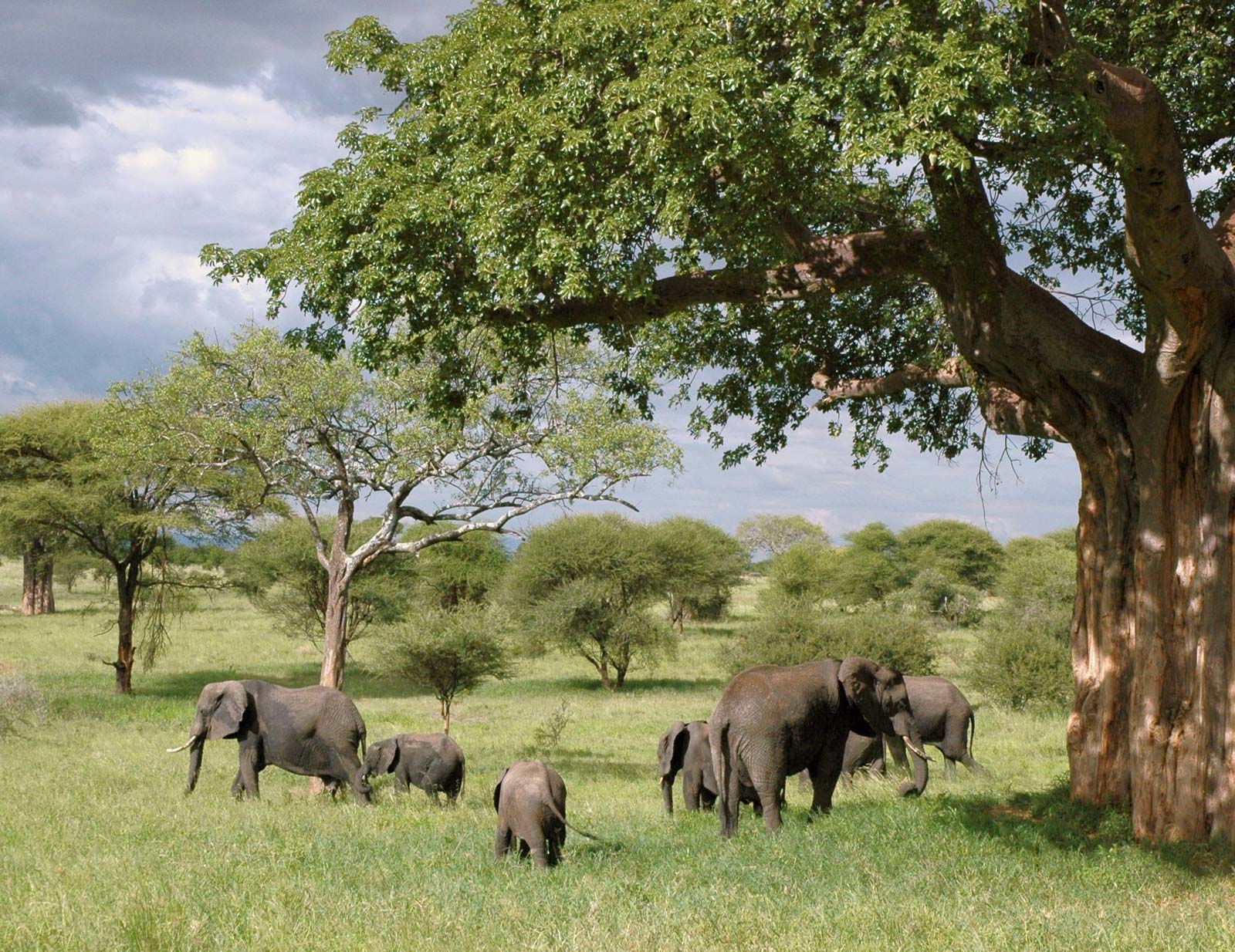
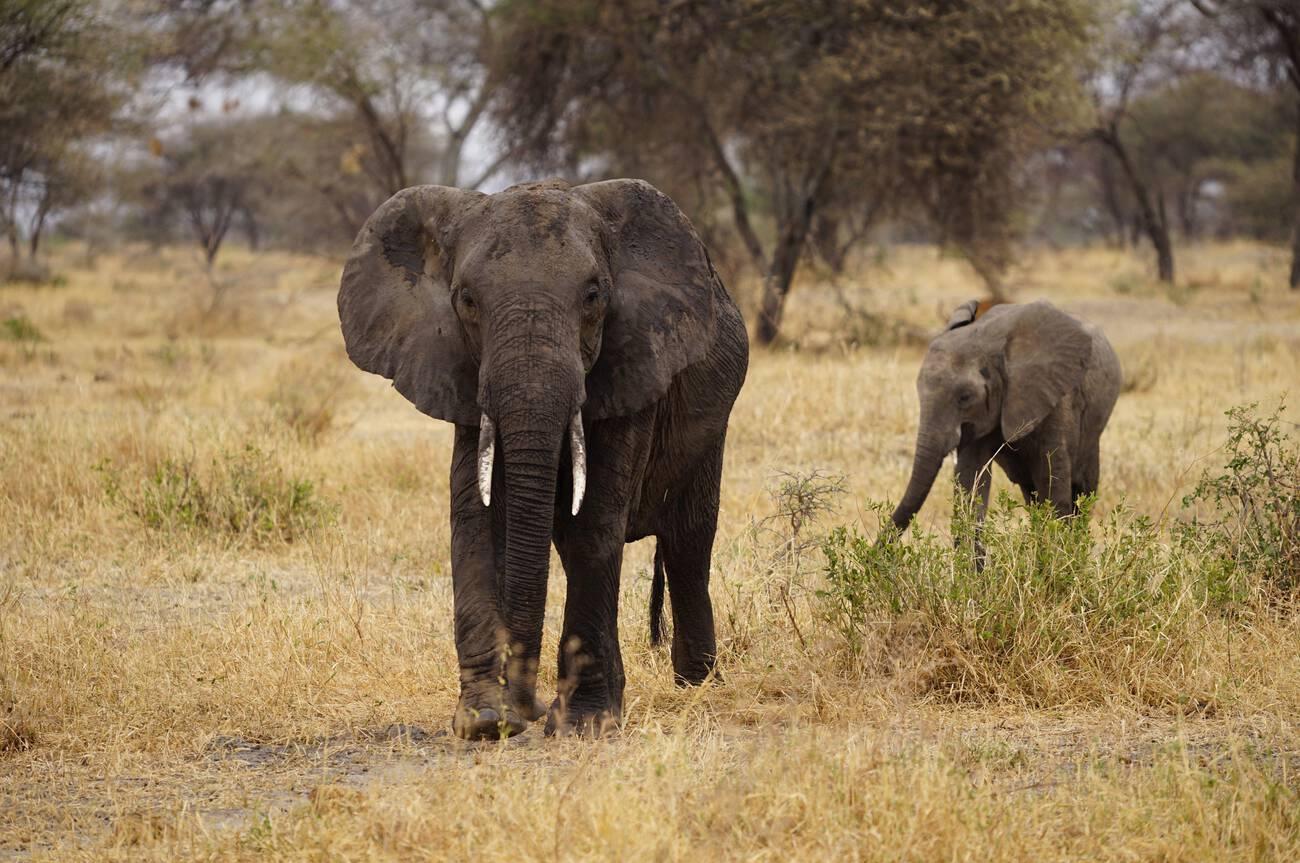
Ruaha is well known for elephants, often seen moving through woodland, riverbeds and open country.

PREDATOR TERRITORY

Lions, leopards, cheetahs, spotted hyenas and African wild dogs are among the predators found across the park.

EXCEPTIONAL BIRDLIFE

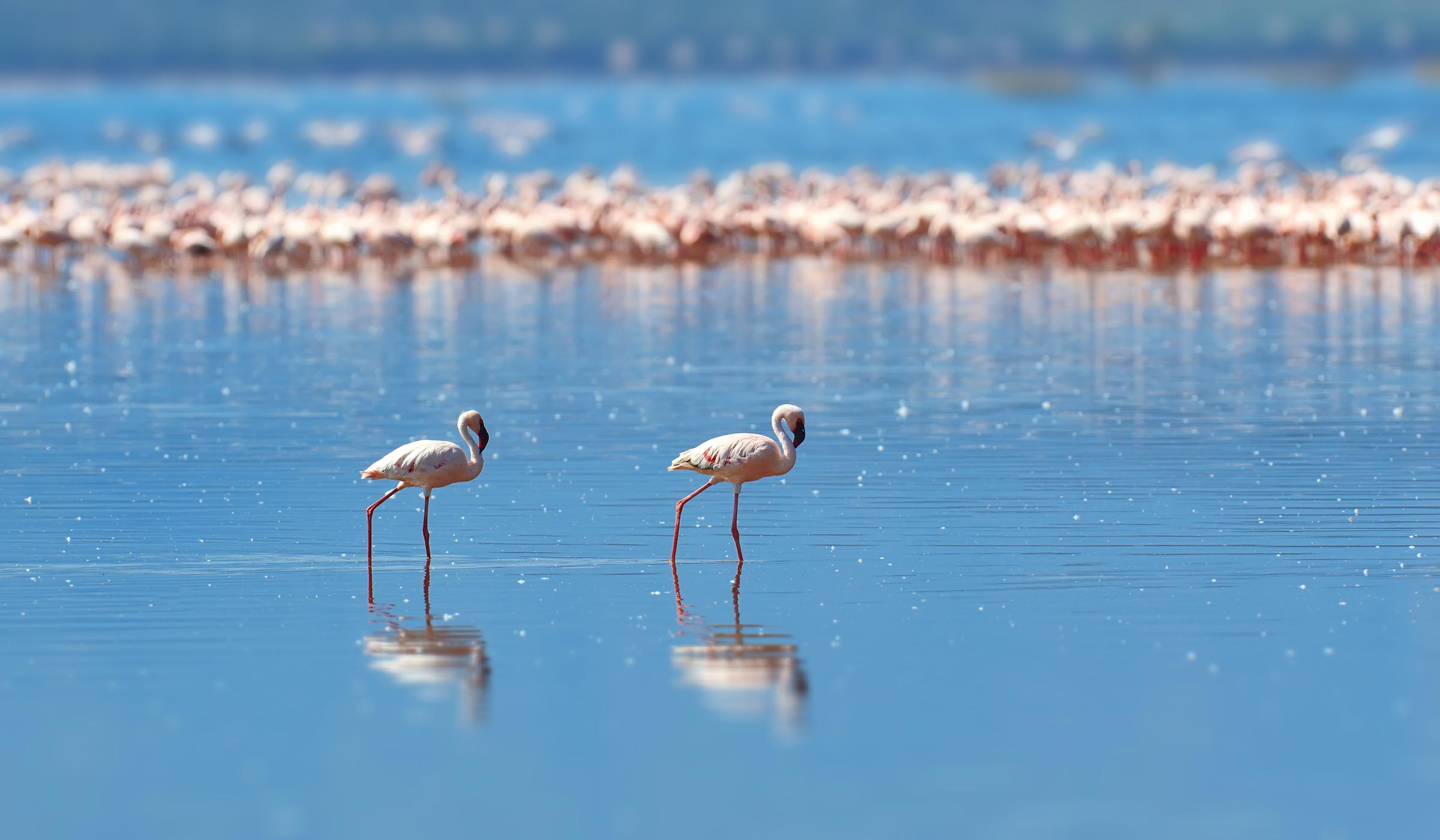
Ruaha supports a rich mix of bird species across its river systems, woodland and savannah habitats.

BAOBABS & RUGGED LANDSCAPES

Ancient baobabs, dry riverbeds, rocky hills and open savannah give Ruaha a visual identity unlike anywhere else in Tanzania.

About Ruaha National Park

Ruaha National Park is one of southern Tanzania’s great wilderness areas, known for its rugged landscapes, strong predator populations and low visitor numbers.

The park is shaped by a mix of miombo woodland, open savannah, rocky hills, seasonal rivers and ancient baobabs. The Great Ruaha River is especially important, drawing wildlife toward its banks and remaining pools as the dry season progresses.

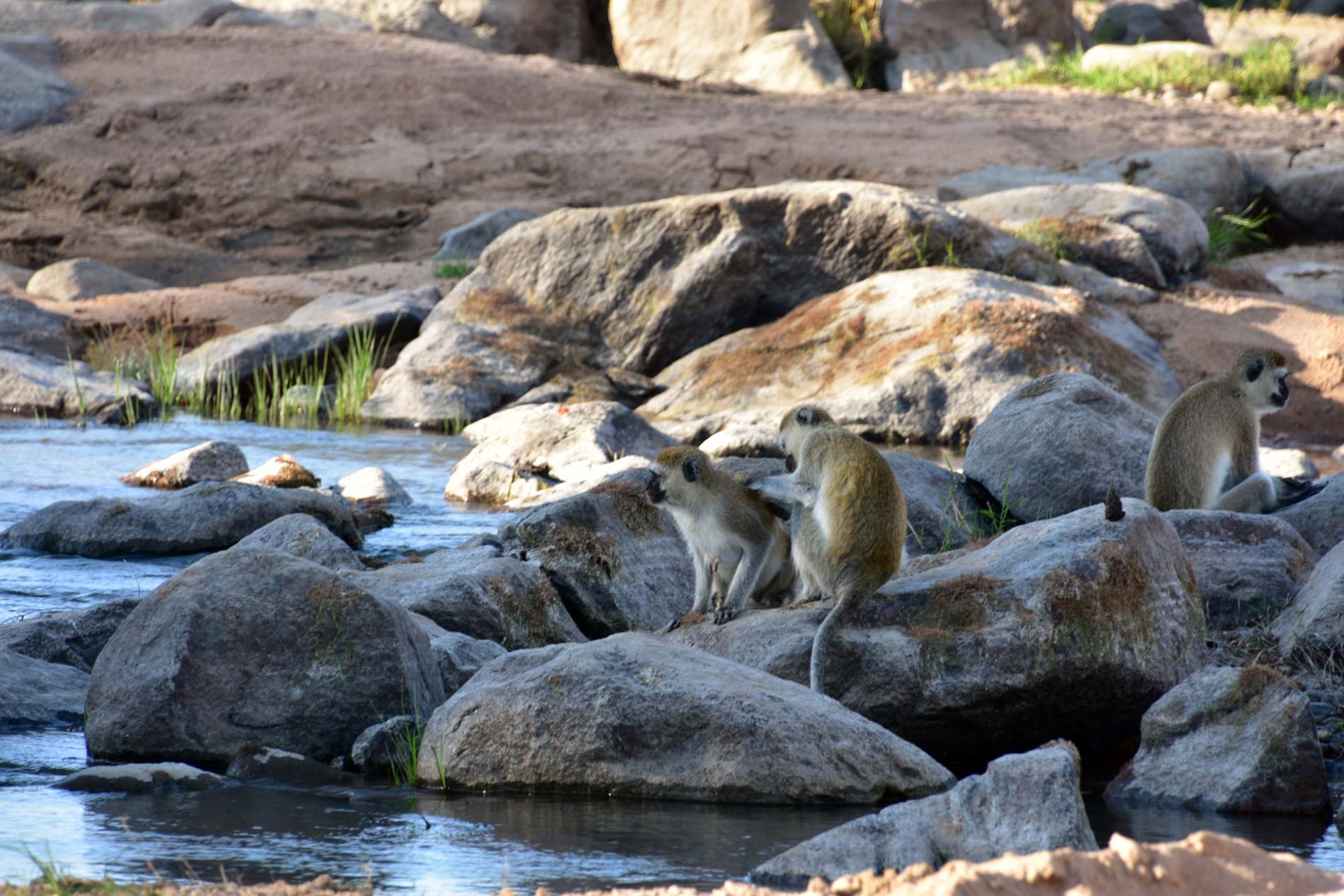
This variety of habitats supports elephants, buffalo, giraffes, antelope, lions, leopards, cheetahs, spotted hyenas and African wild dogs, together with rich birdlife.

What makes Ruaha especially appealing is the sense of space. Game drives often feel quieter and less hurried than in more heavily visited parks, giving travellers time to observe wildlife, landscapes and behaviour at a more natural pace.


Why Visit Ruaha National Park?

Ruaha offers a wilder, quieter side of Tanzania. Its appeal comes from the combination of vast landscapes, low visitor numbers, strong predator populations and the Great Ruaha River, which becomes increasingly important to wildlife as the dry season progresses.

The park is especially rewarding for travellers who value space, photography, birdlife and time to observe wildlife without feeling rushed. Lions, elephants, buffalo, greater kudu and other species are part of the experience, while African wild dogs remain one of Ruaha’s most sought-after sightings.

Ruaha also fits naturally into a wider southern Tanzania itinerary, particularly when combined with Nyerere or Mikumi. For travellers looking beyond the classic northern circuit, it offers a more remote and wilderness-led safari experience.

The Great Ruaha River

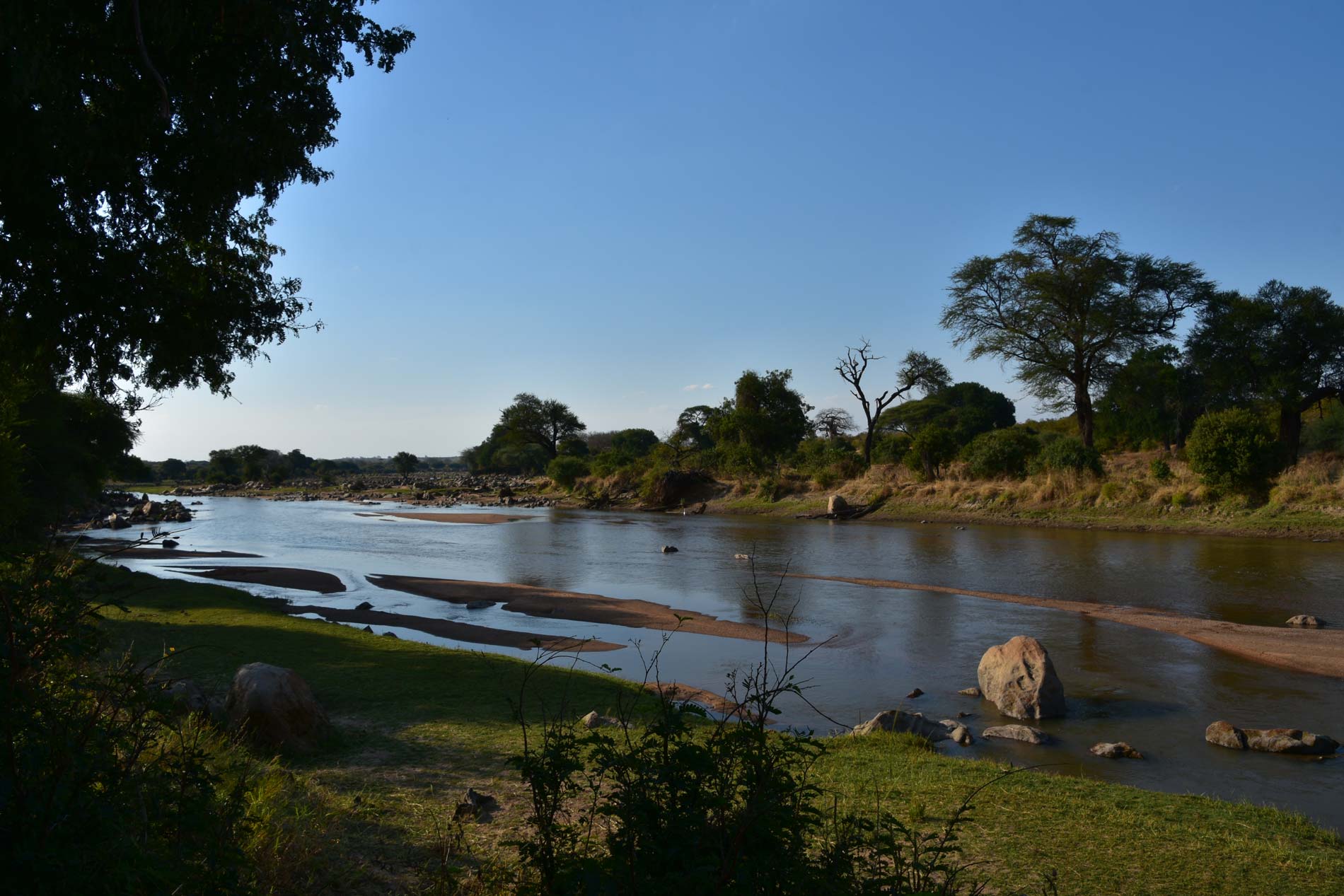
The Great Ruaha River is one of the defining features of the park and plays a central role in its ecosystem.

During the dry season, remaining pools and river channels become especially important for wildlife. Elephants, buffalo, antelope, predators and birdlife are often drawn toward these areas, creating some of the park’s strongest wildlife-viewing opportunities.

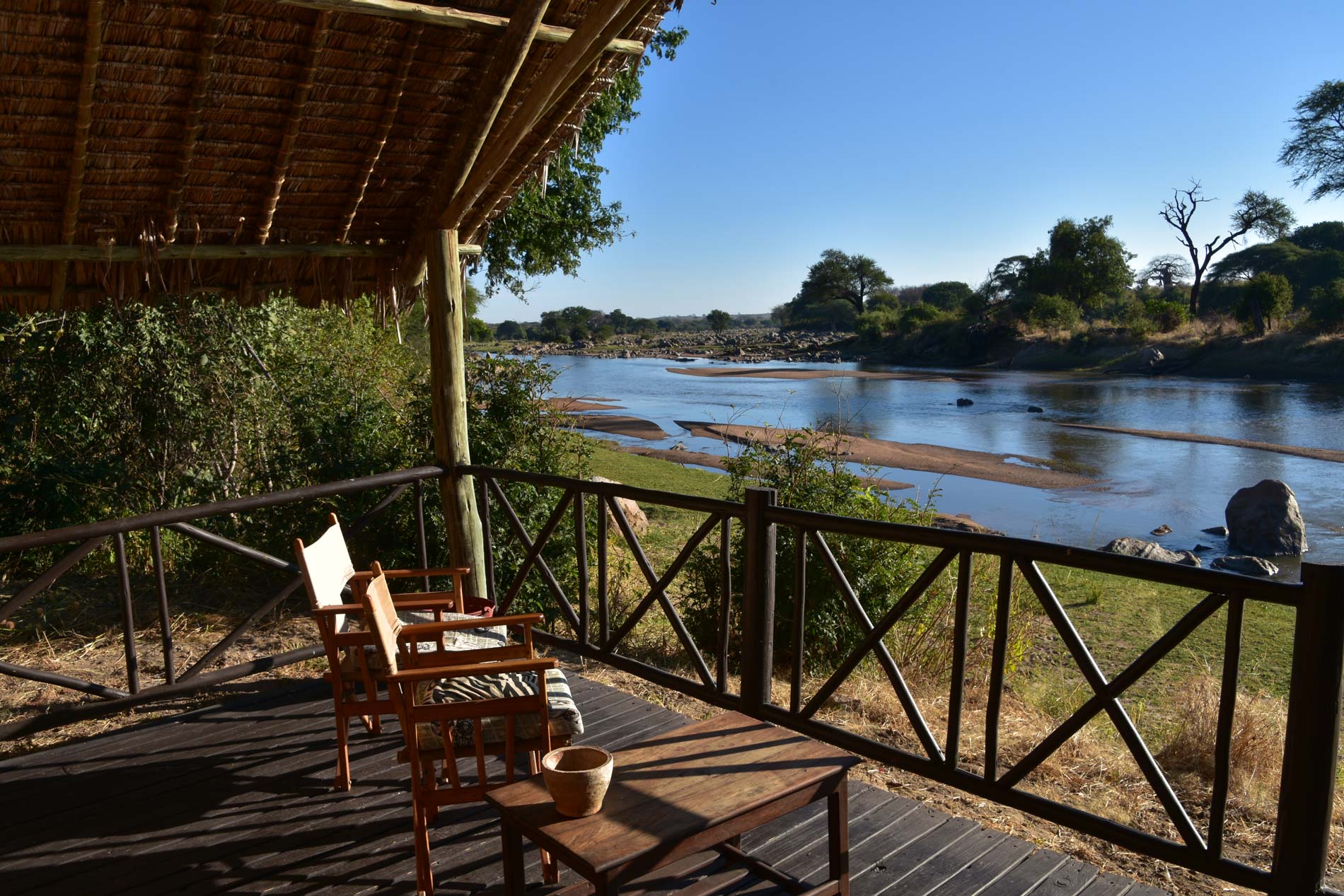
Beyond the wildlife, the river also shapes the scenery and rhythm of a Ruaha safari. Its banks, sand rivers, rocky sections and surrounding woodland create a constantly changing landscape that gives the park much of its character.


Landscapes and Habitats

Miombo Woodland

Miombo woodland covers large parts of Ruaha and gives the park much of its character. During the dry season, the woodland becomes more open and wildlife can be easier to spot between the trees. After the rains, fresh growth transforms the landscape and brings a very different atmosphere, with richer vegetation and increased bird activity.

Open Grasslands

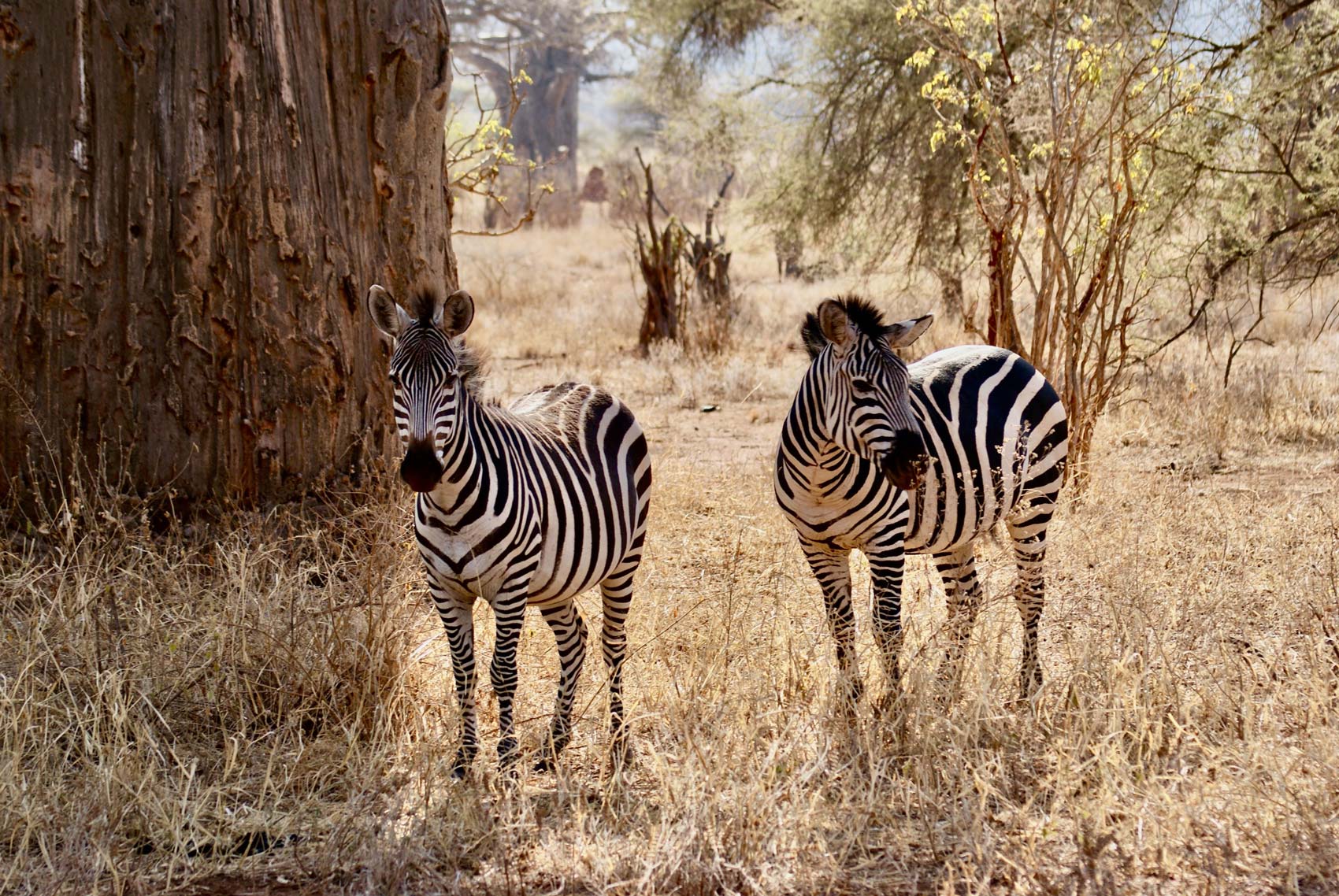
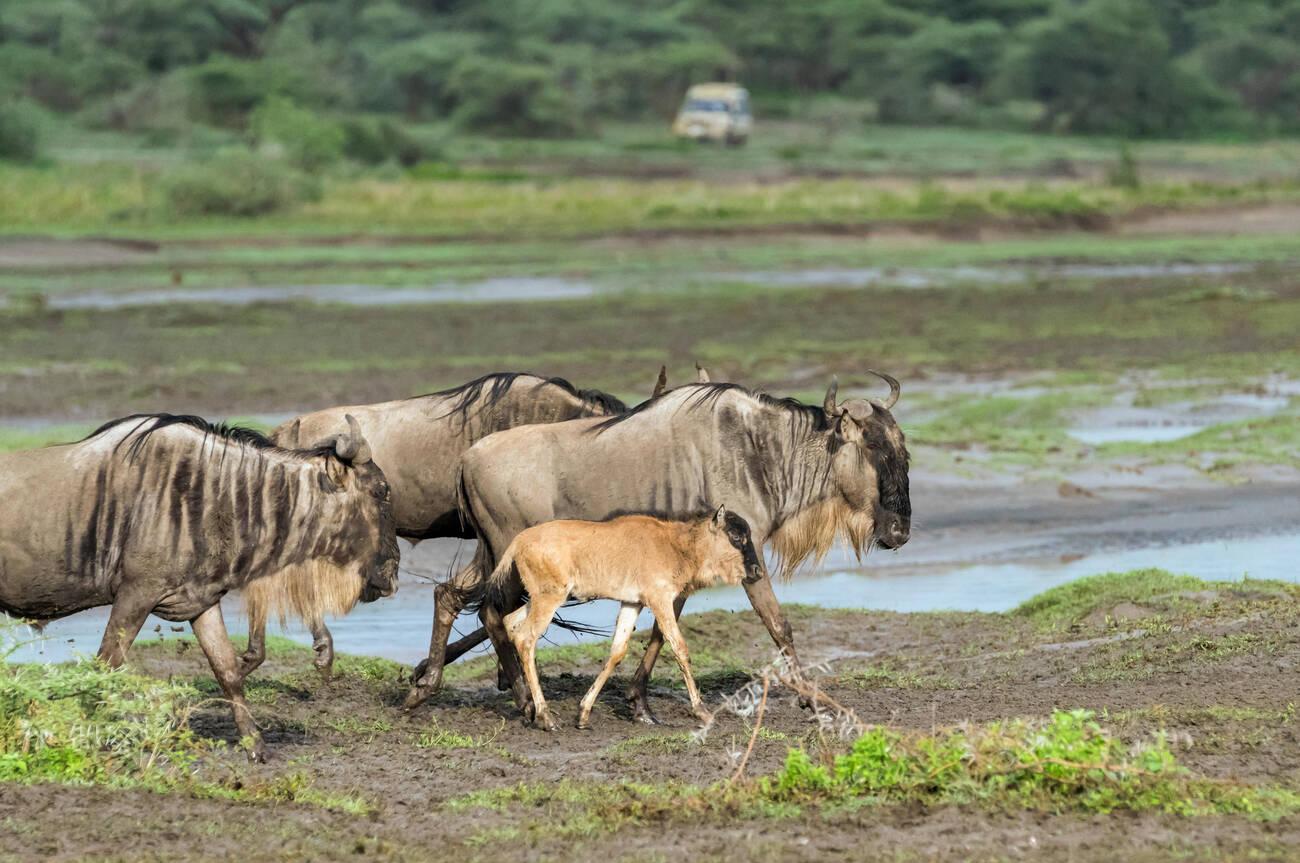
Open plains provide important feeding areas for zebra, wildebeest, antelope, giraffes and other herbivores. These more open habitats also create strong opportunities for spotting lions, cheetahs and other predators moving through the landscape.

Baobab Country

Baobabs are one of Ruaha’s defining visual features. Their sculptural shapes, especially against the dry-season landscape, give the park a distinctive identity and create some of its most memorable photographic scenes.

Rocky Hills and Escarpments

Rocky outcrops and elevated areas add another layer to Ruaha’s scenery, creating wide views across the park and providing habitat for species adapted to drier, more rugged environments.

Best Time to Visit Ruaha National Park

Ruaha offers different experiences across the year, but the dry season from June to October is generally the easiest period for classic wildlife viewing. As water becomes more limited, animals gather around the Great Ruaha River, seasonal channels and remaining waterholes, often creating strong game-viewing opportunities.

The green season brings a softer, more dramatic landscape with fresh vegetation, migratory birds and fewer visitors. Wildlife can be more dispersed, but the scenery and photography can be especially rewarding.

For travellers visiting Ruaha for the first time, the dry season is usually the easiest choice. For those who value greener landscapes, birdlife and a quieter atmosphere, the wetter months can be equally interesting.


Safari Activities

Game Drives

Game drives are the main way to explore Ruaha. Early mornings and late afternoons are especially rewarding, with cooler temperatures, softer light and stronger chances of seeing wildlife when it is more active.

Full-day drives allow more time to reach quieter areas, follow wildlife movements and explore the park’s different habitats without rushing the experience.

Walking Safaris

Walking safaris offer a more detailed connection with the landscape. With an experienced guide, guests can learn to recognise tracks, plants, insects, birdlife and other signs that are easy to miss from a vehicle.

Rather than focusing only on large animals, the experience reveals the smaller details that make Ruaha such a complex wilderness.

Birdwatching

Ruaha’s mix of river systems, woodland, grassland and seasonal wetlands supports rich birdlife throughout the year. Birding works naturally alongside game drives and can add another layer to the safari, even for travellers who are not dedicated birders.

Wildlife Photography

Ruaha is especially rewarding for photography because of its open landscapes, baobabs, dramatic light and lower vehicle numbers. Early morning and late afternoon often provide the best light, while quieter sightings can give photographers more time to observe behaviour and compose images properly.

Frequently Asked Questions (FAQs)
What is Ruaha National Park famous for?

Ruaha is known for its vast wilderness, baobab-studded landscapes, the Great Ruaha River, strong predator populations and lower visitor numbers. It is also an important habitat for elephants, greater kudu and African wild dogs.

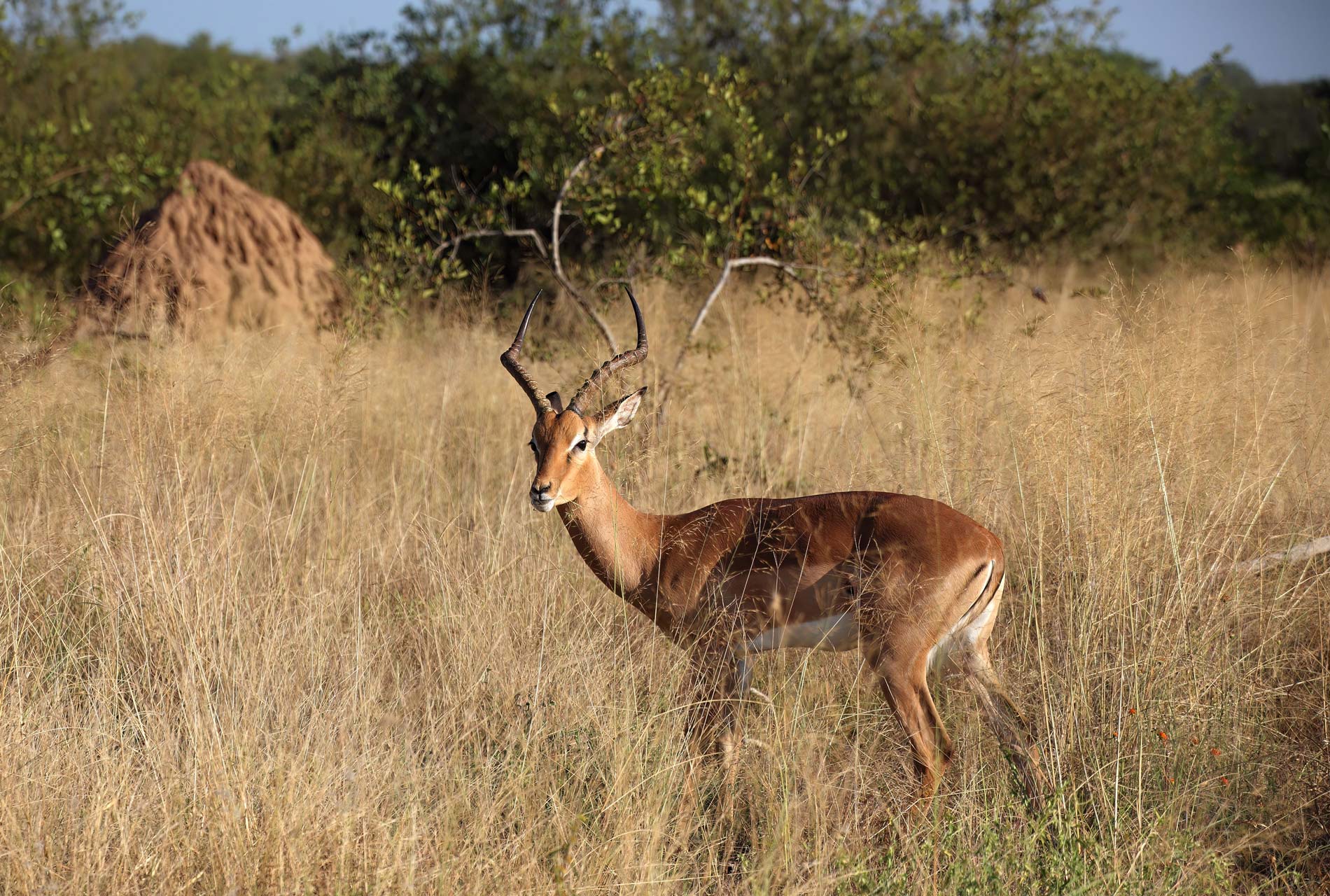
Wildlife can include elephants, lions, buffalo, giraffes, zebras, greater kudu, impala, leopards, cheetahs, spotted hyenas and African wild dogs. Sightings vary by season and location, which is part of what makes the park feel genuinely wild.

June to October is generally the easiest period for classic wildlife viewing, as animals gather around the Great Ruaha River and other remaining water sources. The greener months bring lush scenery, stronger birdlife and a quieter atmosphere.

Ruaha is especially well suited to travellers who value space, lower vehicle numbers, strong predator viewing and a more remote wilderness atmosphere. It also combines naturally with other southern Tanzania destinations for a longer safari.

GALLERY

Start Planning Your Ruaha Safari

Tell us when you’d like to travel and what kind of Ruaha experience you have in mind. We’ll help shape the safari around your time, interests and preferred pace.

Ruaha National Park

Chat with us on WhatsApp