Nyerere National Park

A vast southern wilderness where game drives, boat safaris and river landscapes come together for a quieter, more varied safari experience.

Nyerere National Park Overview

Nyerere National Park is one of Tanzania’s great southern wilderness areas, defined by vast landscapes, rich wildlife and the Rufiji River system that shapes much of the safari experience.

The park covers an immense area of woodland, open plains, seasonal wetlands, lakes and river channels. This variety of habitats supports elephants, buffalo, lions, hippos, crocodiles, antelope, prolific birdlife and the possibility of seeing African wild dogs.

What makes Nyerere especially distinctive is the variety of ways you can experience it. Game drives remain central, but boat safaris on the Rufiji River add a completely different perspective, allowing guests to explore wildlife from the water and observe the park at a slower pace.

Visitor numbers are generally lower than in Tanzania’s better-known northern parks, giving Nyerere a quieter and more spacious atmosphere. For travellers who value wilderness, variety and fewer vehicles, it offers a very different style of safari.

Location and How to Get There

Nyerere National Park lies in southern Tanzania and is most commonly reached from Dar es Salaam.

By road, travel time depends on the entry point, road conditions and the route used, so I would avoid locking the page into one exact driving time.

For a smoother journey, scheduled and charter flights connect Dar es Salaam, Zanzibar and other safari areas with airstrips serving Nyerere. Flying is often the most convenient option for travellers combining the park with Zanzibar or a wider southern Tanzania itinerary.

Once inside the park, transfers between the airstrip, lodge and safari areas are arranged as part of the ground experience.

A Brief History about Nyerere National Park

The conservation story of Nyerere National Park is closely tied to the wider Selous ecosystem, one of Tanzania’s most important protected landscapes.

Large parts of the region were placed under protection during the early twentieth century, and the Selous Game Reserve later became internationally recognised for its ecological importance and vast wilderness.

In 2019, the northern section of the reserve was designated as Nyerere National Park, creating a new national park while retaining its connection to the broader Selous ecosystem.

Today, Nyerere protects a wide range of habitats and wildlife, including elephants, lions, hippos, crocodiles, buffalo, antelope, birdlife and African wild dogs. Its history is not only about protection on paper, but about maintaining one of southern Tanzania’s most important wilderness landscapes for future generations.

Wildlife of Nyerere National Park

Predators

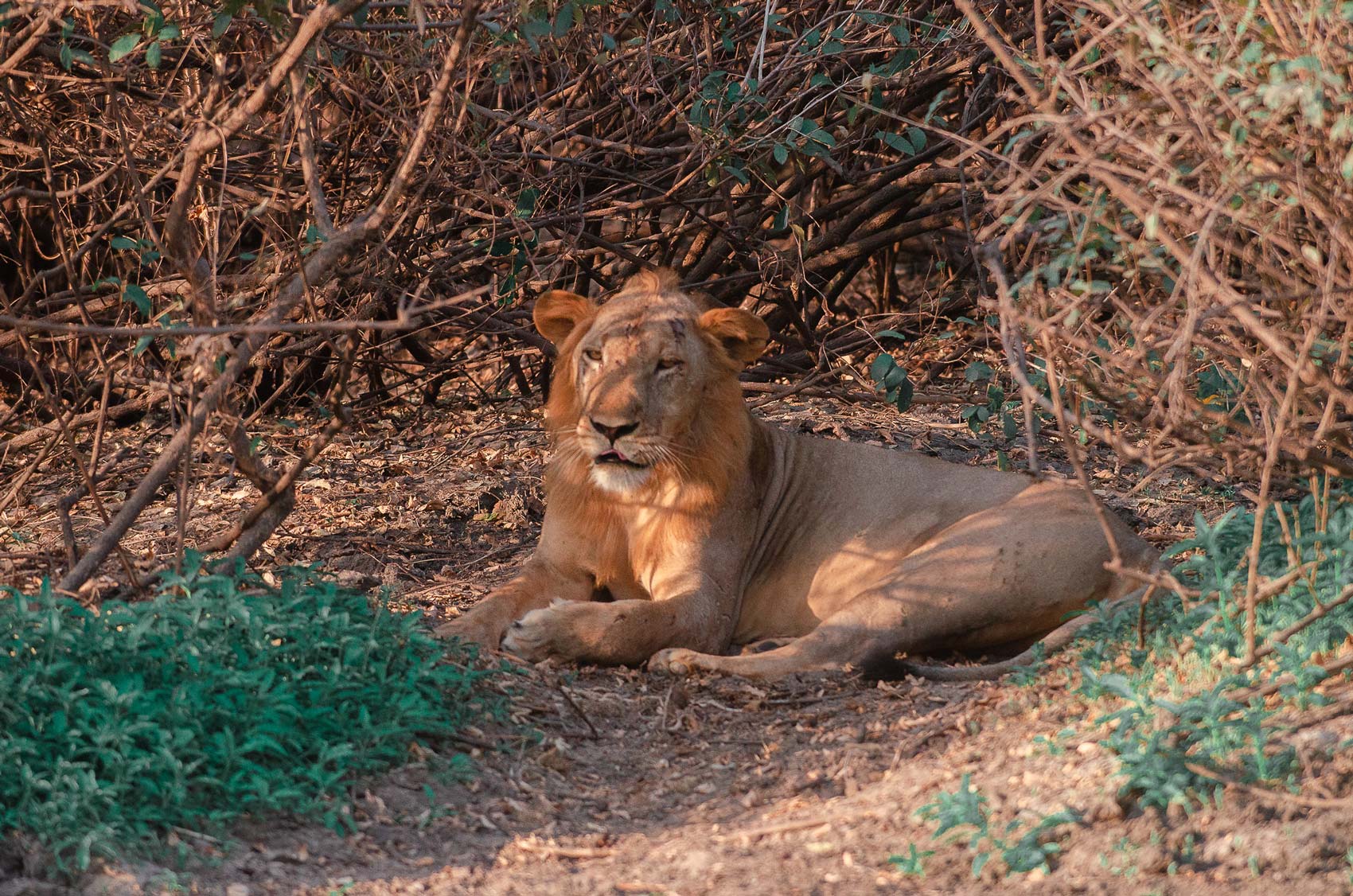
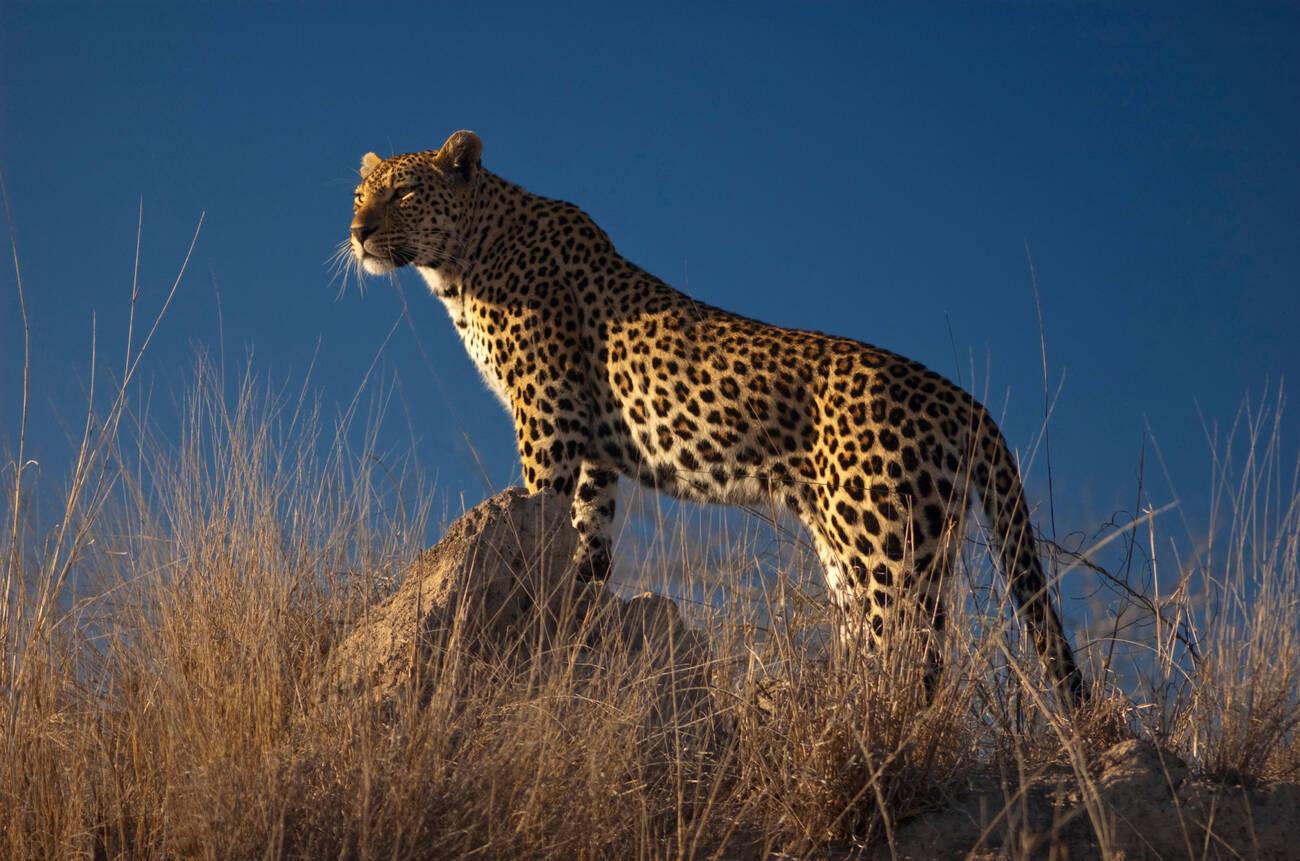
Lions are among the park’s most important predators, while spotted hyenas and leopards are also present. African wild dogs are one of Nyerere’s most notable species, although sightings vary and should never be treated as guaranteed.

Large Mammals

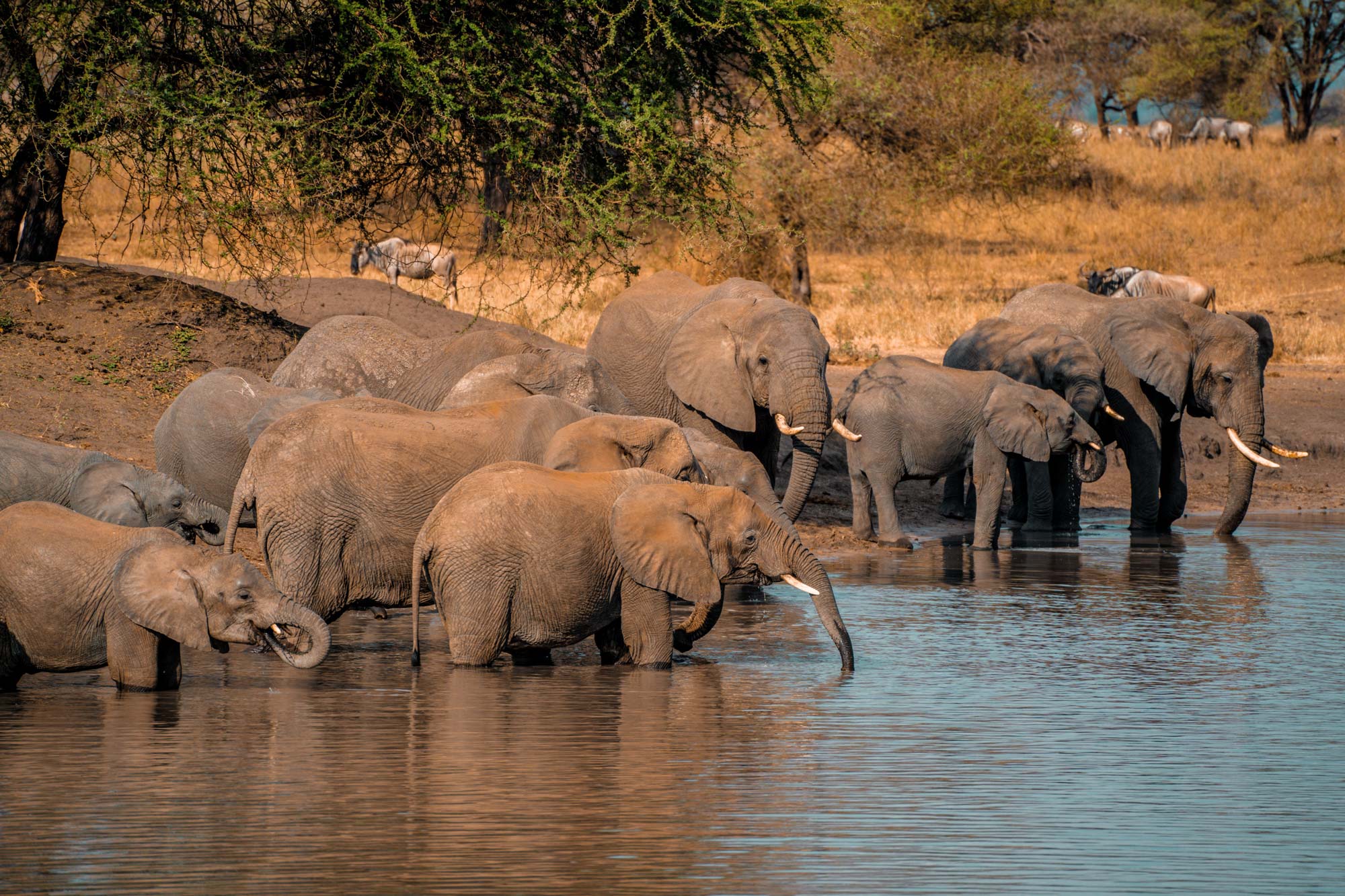
Elephants, buffalo, giraffes, hippos and a wide variety of antelope are commonly associated with the park’s river systems, plains and woodland habitats.

River Wildlife

The Rufiji River is central to the experience, supporting large numbers of hippos and crocodiles as well as many waterbirds and other species that gather along the banks.

Birdlife

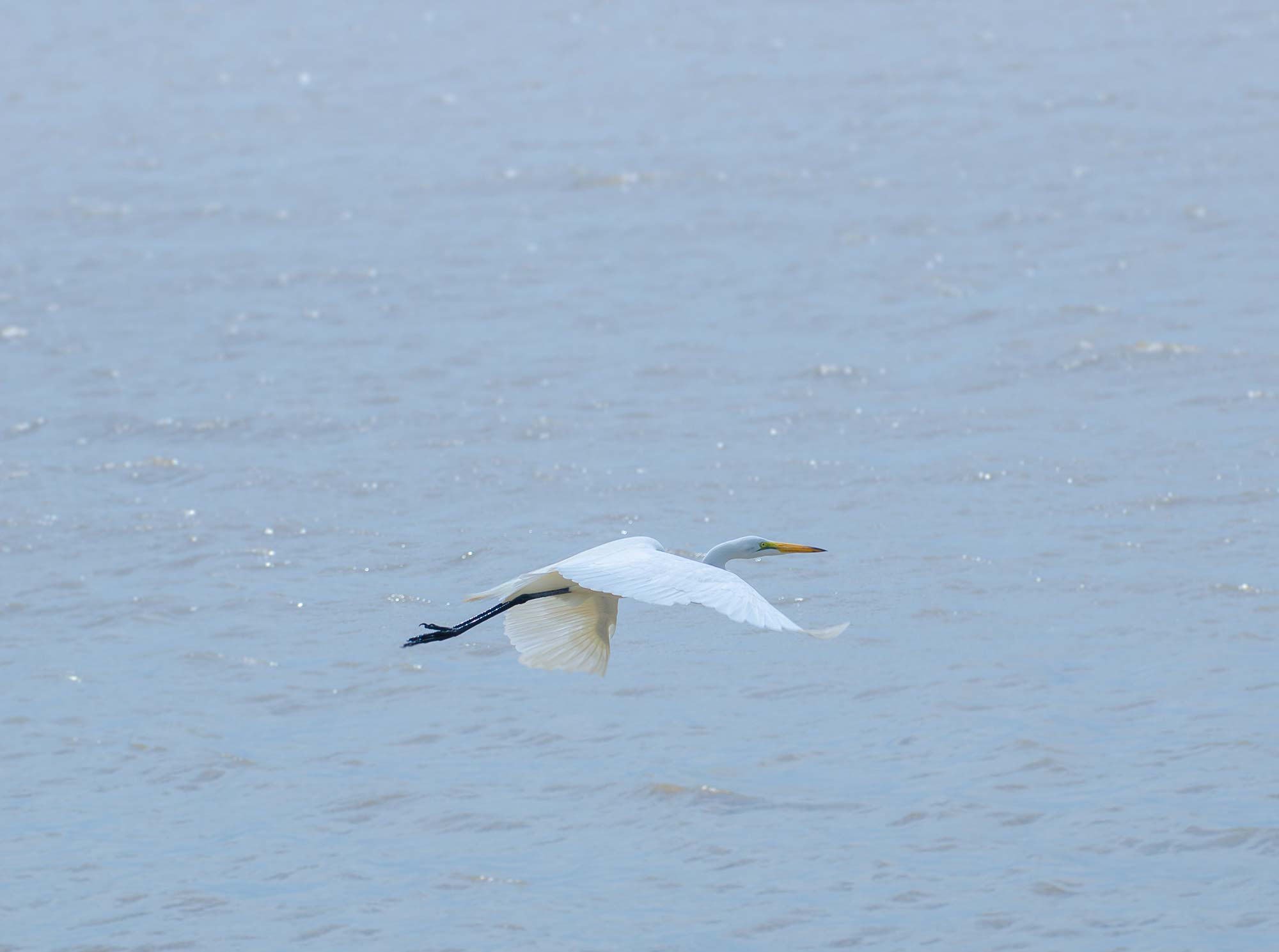
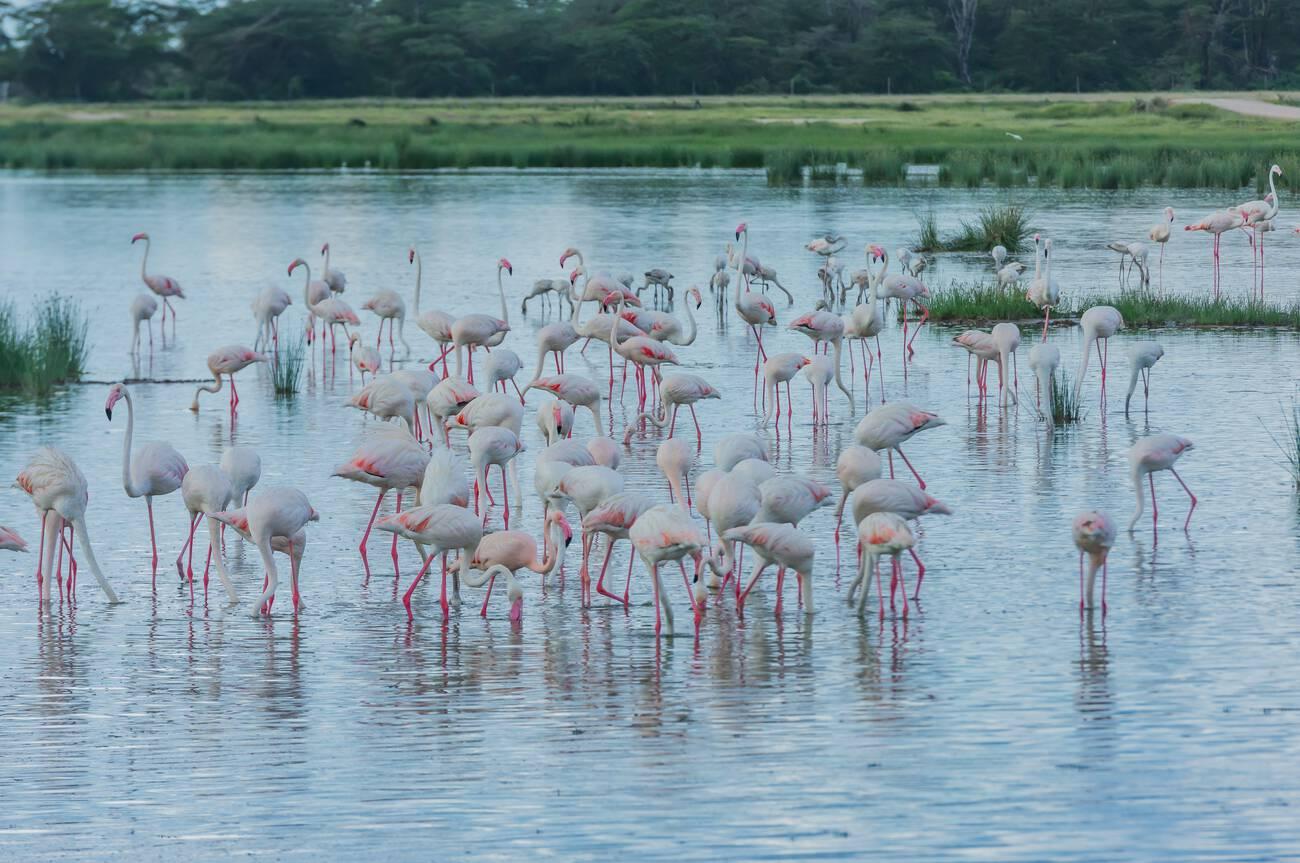
Nyerere supports rich birdlife across its wetlands, woodland and open plains, making it rewarding even for travellers who are not dedicated birders.


Landscapes and Habitats

Miombo Woodlands

Miombo woodland covers large parts of Nyerere and gives the park much of its wild, spacious character. These woodlands support elephants, giraffes, antelope, predators and a wide variety of birdlife, while their appearance changes dramatically between the green and dry seasons.

Open Grasslands

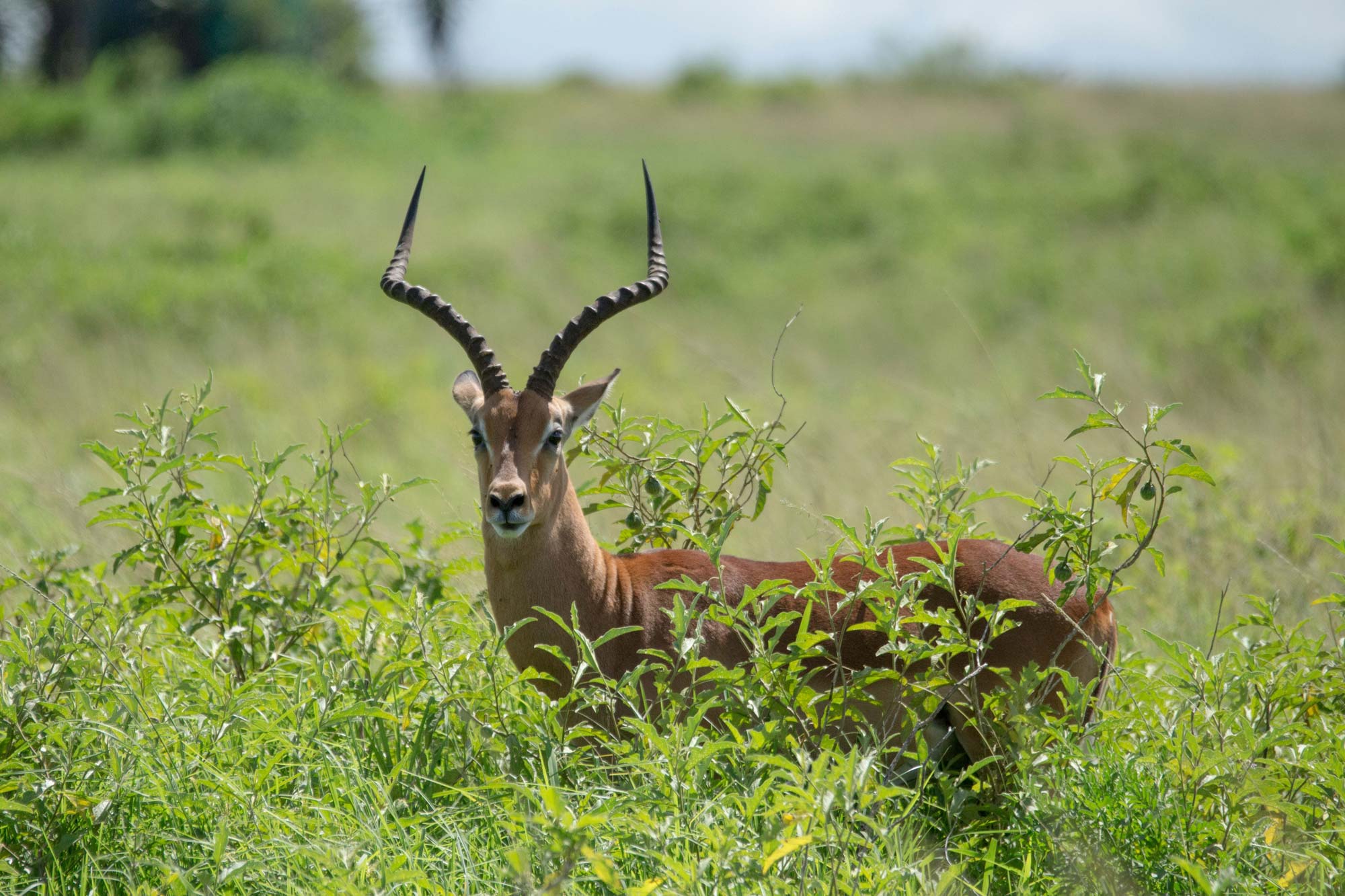
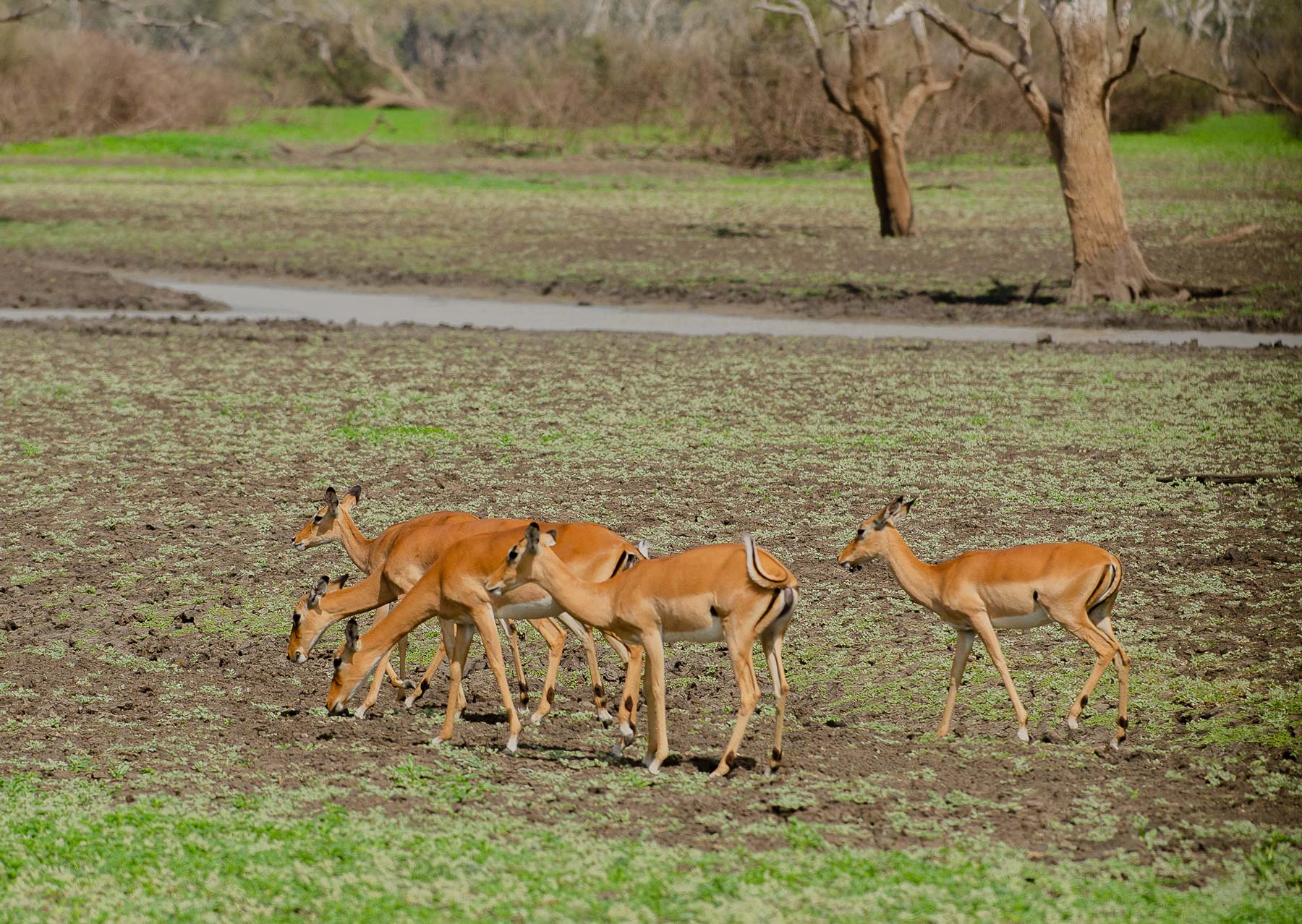
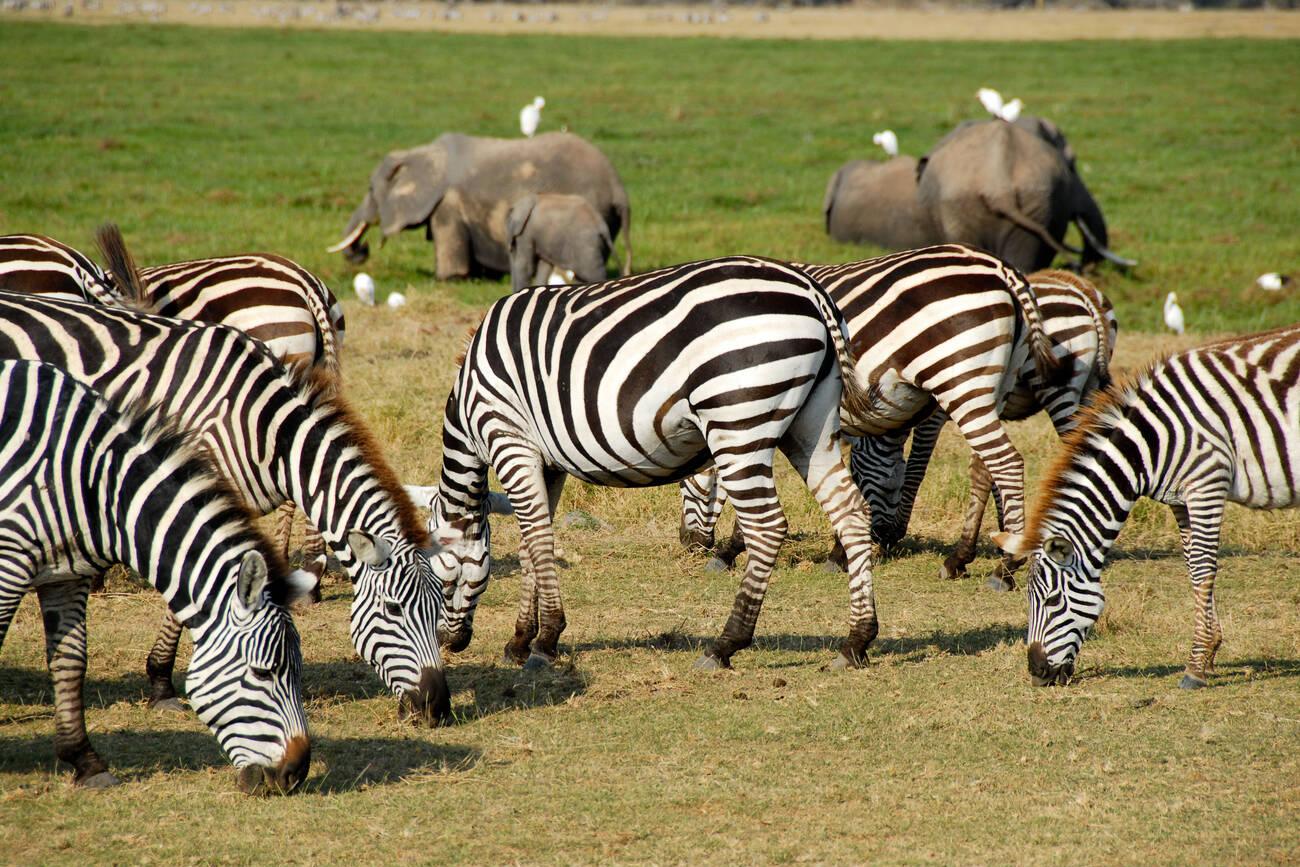
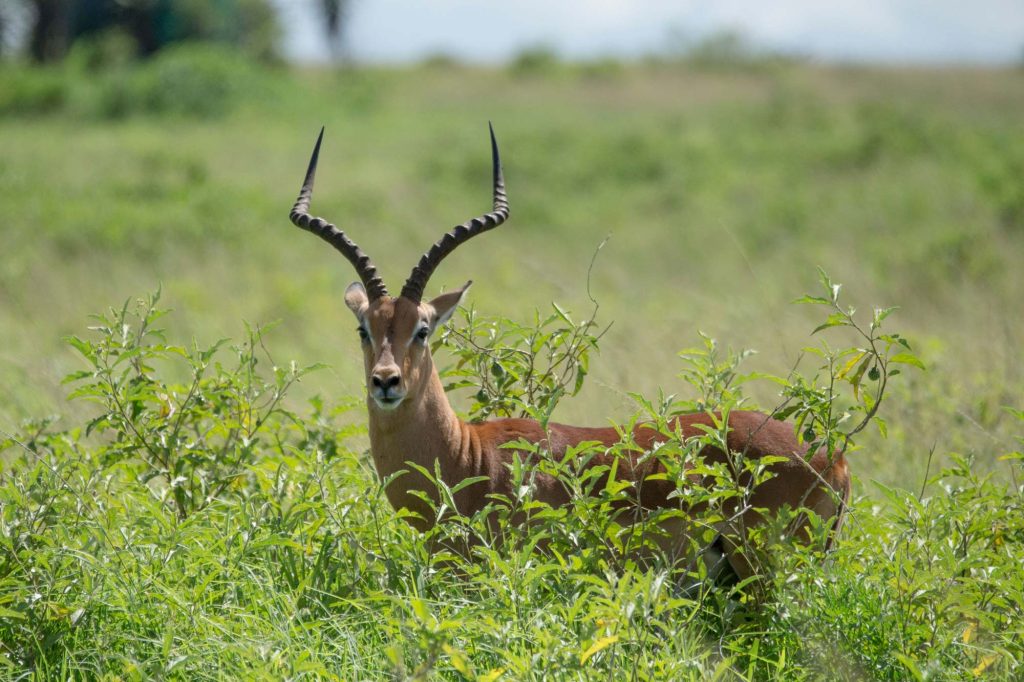
Open plains and grasslands create important grazing areas for buffalo, zebra, wildebeest, impala and other herbivores. These more open habitats also improve visibility and can offer strong opportunities to observe predator-prey interactions.

Riverine Forests

Along the Rufiji River and its channels, denser riverine vegetation creates cooler, shaded habitat for monkeys, birds, reptiles and smaller mammals. Elephants and other browsing species also use these areas for food, water and shelter.

Wetlands and Floodplains

Seasonal wetlands, lakes and floodplains are central to the Nyerere experience. They support hippos, crocodiles, fish, waterbirds and grazing mammals, while the changing water levels shape where wildlife gathers throughout the year.

Best Time to Visit Nyerere National Park

Nyerere is generally most rewarding during the dry season from June to October, when wildlife tends to concentrate around rivers, lakes and other permanent water sources and road conditions are usually easier.

The green season brings lush scenery, strong birdlife and a very different atmosphere, but some areas can become harder to access after heavy rain.

For most first-time visitors, June to October is the easiest period to plan around. Travellers who value greener landscapes, photography and birding may also enjoy the wetter months.

Things to do in Nyerere National Park

Game Drives

Explore Nyerere’s open plains, woodland and riverine areas on private game drives in search of elephants, lions, buffalo, giraffes, antelope and, with some luck, African wild dogs.

Boat Safaris

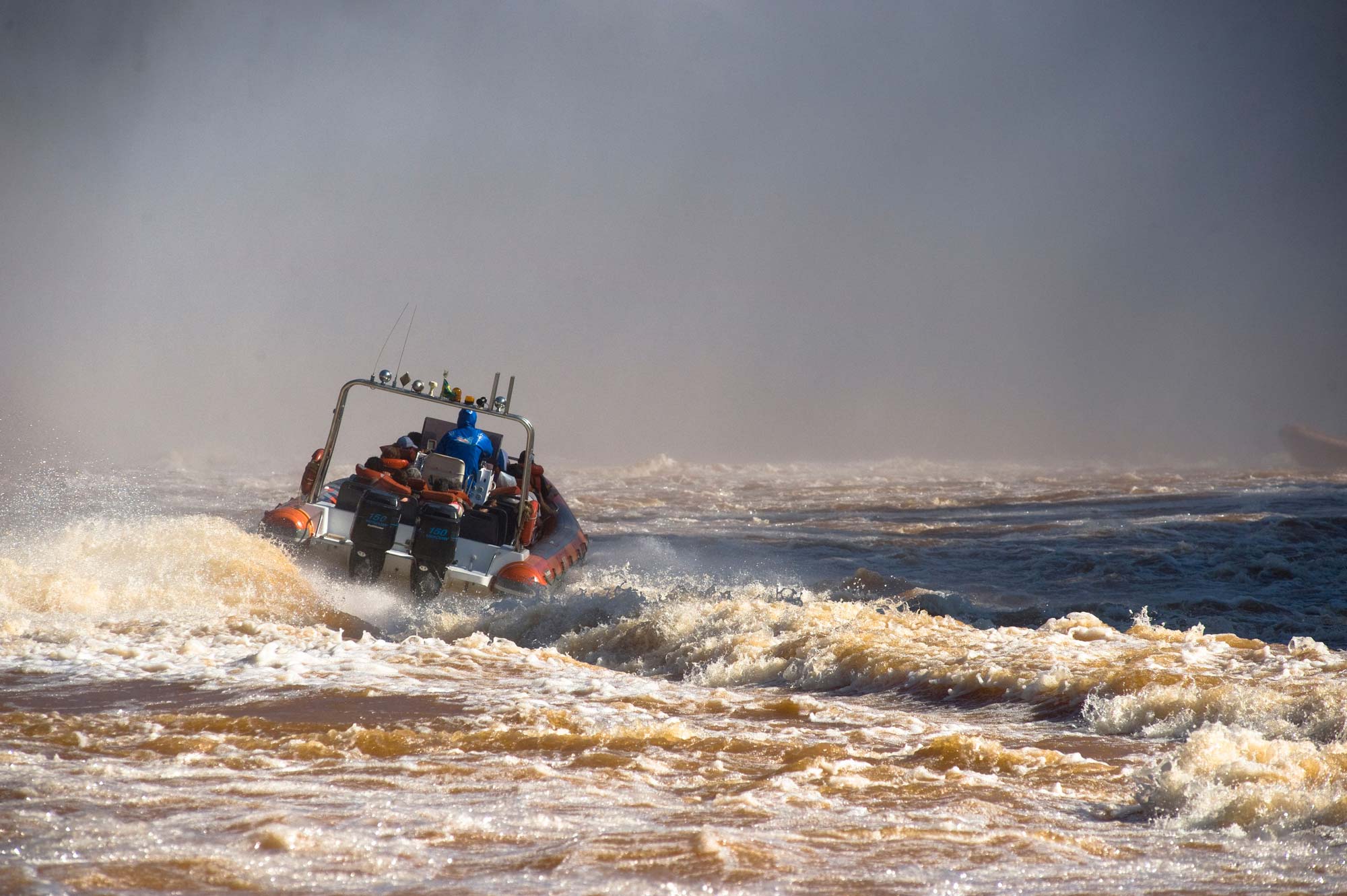
Boat safaris along the Rufiji River are one of Nyerere’s signature experiences. From the water, guests can observe hippos, crocodiles, waterbirds and other wildlife along the riverbanks while experiencing the park from a completely different perspective.

Walking Safaris

Guided walking safaris offer a slower, more detailed look at the landscape. With an experienced guide, guests can learn about tracks, plants, smaller wildlife and the ecological details that are easy to miss from a vehicle.

Birdwatching

Nyerere’s combination of river, woodland, wetland and open country supports rich birdlife. The river system in particular can be rewarding for waterbirds, raptors and other species.

Photography

The mix of wide landscapes, river scenes, wildlife and lower vehicle density makes Nyerere especially rewarding for photographers who prefer space and variety.

Why Visit Nyerere National Park?

Nyerere offers a different rhythm from Tanzania’s better-known safari circuits. Its appeal comes from the combination of vast wilderness, the Rufiji River system, varied wildlife and the freedom to experience the landscape by vehicle, boat and, where available, on foot.

Game drives take you through woodland, open plains and riverine habitats, while boat safaris reveal a completely different side of the park, with hippos, crocodiles, waterbirds and wildlife gathering along the riverbanks.

The park is also known for elephants, lions, buffalo, giraffes, antelope and the possibility of encountering African wild dogs. Lower vehicle numbers in many areas add to the sense of space and make the experience feel less hurried.

For travellers who value variety, quieter surroundings and a more wilderness-led safari, Nyerere is one of southern Tanzania’s most rewarding destinations.

GALLERY
Frequently Asked Questions (FAQs)

What is Nyerere National Park famous for?

Nyerere is known for its vast wilderness, the Rufiji River, varied wildlife and the chance to experience safari in more than one way. Game drives, boat safaris and guided walks give the park a different feel from Tanzania’s more vehicle-focused safari areas.


Which animals can I see in Nyerere National Park?

Wildlife can include elephants, lions, buffalo, giraffes, hippos, crocodiles, antelope and a wide variety of birdlife. African wild dogs are also one of the park’s notable species, although sightings depend on location, season and luck.


What is the best time to visit Nyerere National Park?

June to October is generally the easiest period for wildlife viewing, with drier conditions and animals concentrating around reliable water sources. The greener months bring lush scenery and excellent birdlife, although access in some areas can become more difficult after heavy rain.


What activities are available in Nyerere National Park?

Experiences can include game drives, boat safaris on the Rufiji River, guided walking safaris, birdwatching and photography. The boat safari is one of the park’s signature experiences because it allows guests to observe wildlife from a completely different perspective.


How many days do I need for a Nyerere National Park safari?

I’d recommend at least 3 to 4 nights. That gives enough time for game drives, a boat safari and, where available, a guided walking experience without making the visit feel rushed.

Start Planning Your Nyerere Safari

Tell us when you’d like to travel and how you’d like to experience Nyerere. We’ll help shape the safari around your time, interests and preferred pace.

Nyerere National Park

Chat with us on WhatsApp